
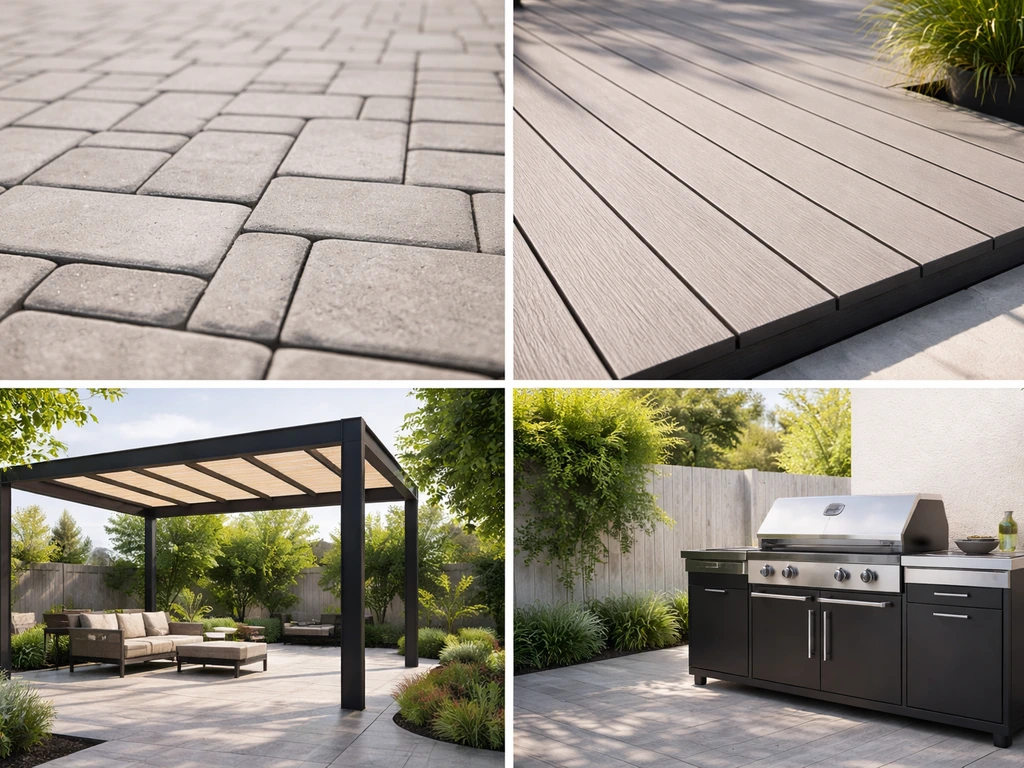
Patio systems reviews are most useful when you know exactly what's being compared. A 'patio system' isn't just the surface you walk on. Depending on the context, it could be a full interlocking paver assembly (pavers, bedding sand, compacted base aggregate, edge restraints, and a geotextile separator), a modular decking platform that sits on grade, a pergola or covered structure kit, or an outdoor kitchen island assembly with cabinets, panels, and a built-in grill. Reviews that lump all of these together under 'patio system' can send you in completely the wrong direction if you're not reading them critically. This guide walks you through what to look for, what to ignore, and how to turn review research into a confident, practical decision for your specific yard, climate, and budget.
Patio Systems Reviews: How to Compare and Choose Wisely

What patio systems actually are (and what reviews are really comparing)
The term 'patio system' shows up in reviews across several distinct product categories, so matching the right review to your actual project is the first challenge. Here are the main types you'll encounter:
- Interlocking paver systems: These are full multi-layer assemblies. The visible pavers are just the top layer. Underneath sits a screeded bedding sand layer (typically 1 inch), a compacted aggregate base (anywhere from 4 to 12 inches depending on climate and soil), an optional geotextile fabric, and plastic or aluminum edge restraints. Reviews of paver systems should be evaluated as a whole system, not just comments on how the pavers look.
- Modular decking/on-grade flooring systems: These use a composite, wood, or stone tile surface supported by an underlying platform or adjustable pedestal system. They're designed to sit directly on an existing concrete slab or compacted base without traditional framing. Pedestal patio systems are a well-known subset of this category.
- Covered structure and pergola kits: These are pre-engineered aluminum, wood, or vinyl framing systems sold as kits. Reviews compare structural quality, wind/snow load ratings, ease of assembly, and finish durability.
- Outdoor kitchen and living kit systems: These include modular island bases, cabinet panels, countertop supports, and integrated appliance housings. Manufacturers like AOG sell complete island bundle systems that cover not just the grill but the full base construction. Warranty terms on these systems often differ between the cooking components and the structural base.
- All-in-one outdoor living kits: Sometimes marketed as 'patio essentials' bundles, these combine furniture, shade, and surface elements into a single purchase. They're convenient but often involve trade-offs in customization and long-term durability.
When you search for reviews, try to identify which of these categories you're actually shopping for before you read a single word. A glowing five-star review of a pergola kit tells you almost nothing about whether a paver base system will hold up in your freeze-thaw climate. If you're looking specifically for Patio Essentials reviews, focus on how long homeowners have lived with the system and whether they discuss performance over multiple seasons.
How to evaluate patio system reviews without getting misled
Not all reviews are created equal, and in the patio space specifically, the stakes are high enough that a bad decision can cost thousands to fix. Here's how to filter what you're reading.
Who is the reviewer, and how long have they lived with the system?
The most valuable patio system reviews come from homeowners who have used the product through at least one full seasonal cycle, ideally two or three years. An enthusiastic review written one week after installation tells you almost nothing about drainage performance after a wet winter, joint stability after freeze-thaw cycles, or how well the finish holds up to UV exposure. Look for reviews that mention specific time frames: 'after two winters' or 'three summers in.' Those are worth ten times the initial excitement posts.
Materials and specs: dig past the marketing language

Reliable reviews mention specific materials and dimensions. For paver systems, look for mentions of paver thickness (a standard residential concrete paver is 2.375 inches; commercial-grade runs 3.125 inches), base depth, and whether edge restraints were included or had to be purchased separately. For modular decking, composite material grade (capped vs. uncapped), board width, and load rating matter. For covered structures, wall thickness of aluminum extrusions and wind load ratings in mph are the numbers that separate quality systems from budget options. If a review only talks about appearance and price, treat it as incomplete.
Warranty terms: read them before you trust the product
Warranty coverage varies wildly between patio system types and manufacturers. For outdoor kitchen systems, it's common to see a 5-year warranty on stainless grill components but only a 1-year warranty on the base panels or island frame. For paver systems, manufacturers typically cover defects in the pavers themselves but not installation failures, which means a failing base or shifted edge restraint is your problem, not theirs. Reviews that mention warranty claims and how the manufacturer actually responded are gold. Trex also publishes warranty lengths by decking collection, including 50-year limited coverage for Transcend, 35-year limited coverage for Select, and 25-year limited coverage for Enhance Naturals and Basics. A product with a 25-year warranty that ignores service calls is worse than one with a 5-year warranty backed by a responsive support team.
Climate and installation context
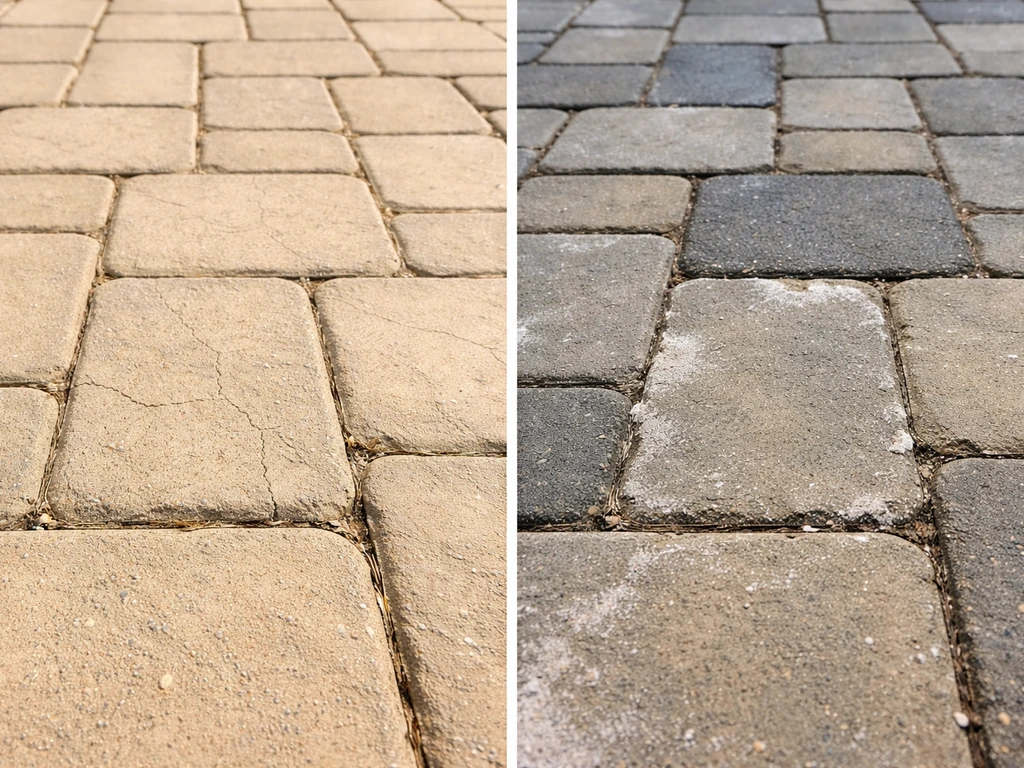
A reviewer in Phoenix and a reviewer in Minneapolis can have completely opposite experiences with the same paver system, and both can be completely honest. Freeze-thaw cycles destroy improperly compacted bases. High UV environments fade composite decking faster. Coastal salt air corrodes aluminum finishes differently than inland dry heat. Before weighting a review heavily, check whether the reviewer's climate matches yours. Reviews that specifically mention their region or USDA hardiness zone are the most transferable to your situation.
Best patio system types by goal
The right system depends on what you actually want to achieve. Here's a practical breakdown by goal, with honest trade-offs for each.
| Goal | Best System Type | Key Advantage | Main Trade-Off |
|---|---|---|---|
| Long-lasting, low-profile hardscape | Interlocking concrete paver system | Extremely durable, repairable without full replacement | Labor-intensive base prep; base failure is the #1 complaint in reviews |
| Quick, clean surface over existing concrete | Modular/pedestal decking system | No excavation, fast install, renter-friendly | Can't fix drainage issues below; surface height adds a step-up |
| Shade and weather protection | Aluminum pergola or louvered roof kit | Adjustable coverage, strong warranties on quality brands | Higher upfront cost; poor kits flex and leak at panel joints |
| Outdoor cooking and entertaining | Outdoor kitchen island system | Cohesive look, integrated utilities, resale value | Complex installation; gas/electric lines usually need a licensed pro |
| Budget outdoor flooring update | Patio-on-a-pallet or snap-together tile system | Low cost, minimal skill needed | Shorter lifespan; edges lift in heat; not rated for heavy furniture |
| Full outdoor living room | All-in-one outdoor living kit | Coordinated aesthetic out of the box | Limited customization; furniture quality varies widely by brand |
If you're comparing modular decking approaches specifically, pedestal patio systems and snap-together tile systems sit at opposite ends of the quality and cost spectrum, and reviews for one rarely transfer to the other even though they look similar in product photos.
Sizing, layout, and compatibility checks before you buy anything
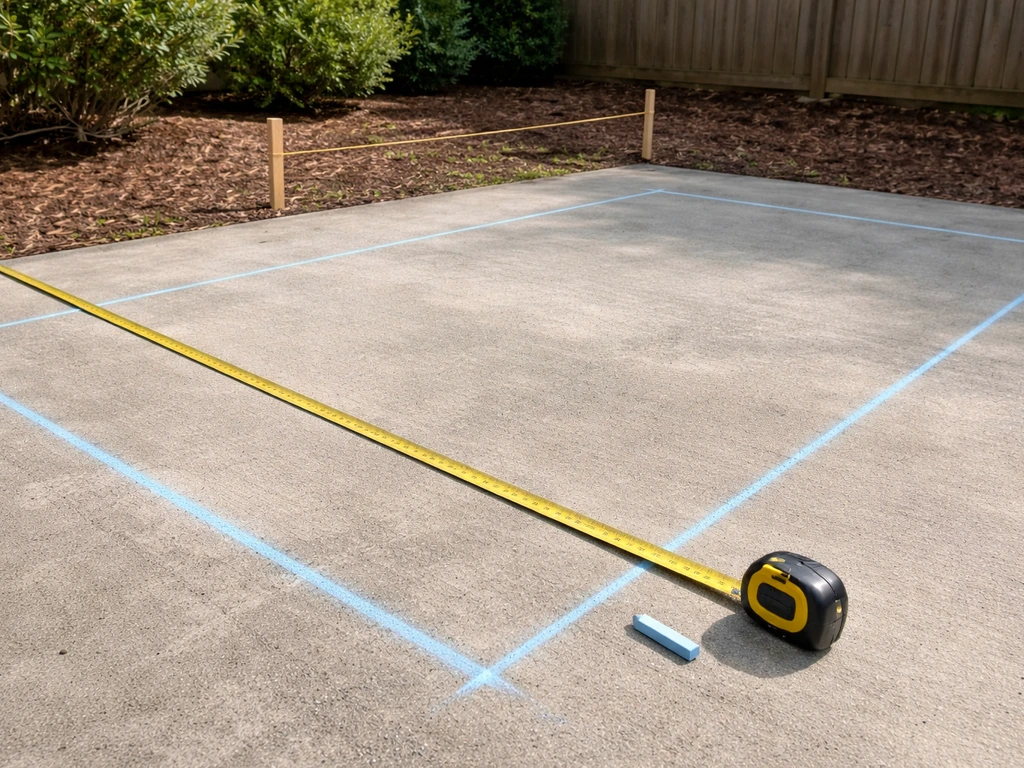
This is the step most homeowners skip, and it's the one that causes the most expensive mistakes. Before you buy a patio system based on reviews, you need four things: accurate measurements, a drainage plan, a soil or sub-surface assessment, and a compatibility check between the system and your home's structure or existing surface.
Measuring and layout planning
Measure your target area in two directions and note any irregularities: slopes, existing trees with surface roots, utility access points, and setbacks from the property line or structure. For paver systems, you'll need to calculate not just the square footage of pavers but also the volume of base aggregate (figure on 4 to 6 inches of compacted gravel base for a standard residential job in a temperate climate, up to 12 inches in freeze-thaw zones). For modular decking over an existing slab, check the slab's drainage slope (minimum 1/8 inch per foot away from the house) and whether a pedestal system can accommodate height variations across the surface. For pergola or covered structure kits, check the footprint against HOA setback rules and local code before ordering.
Soil and sub-base compatibility
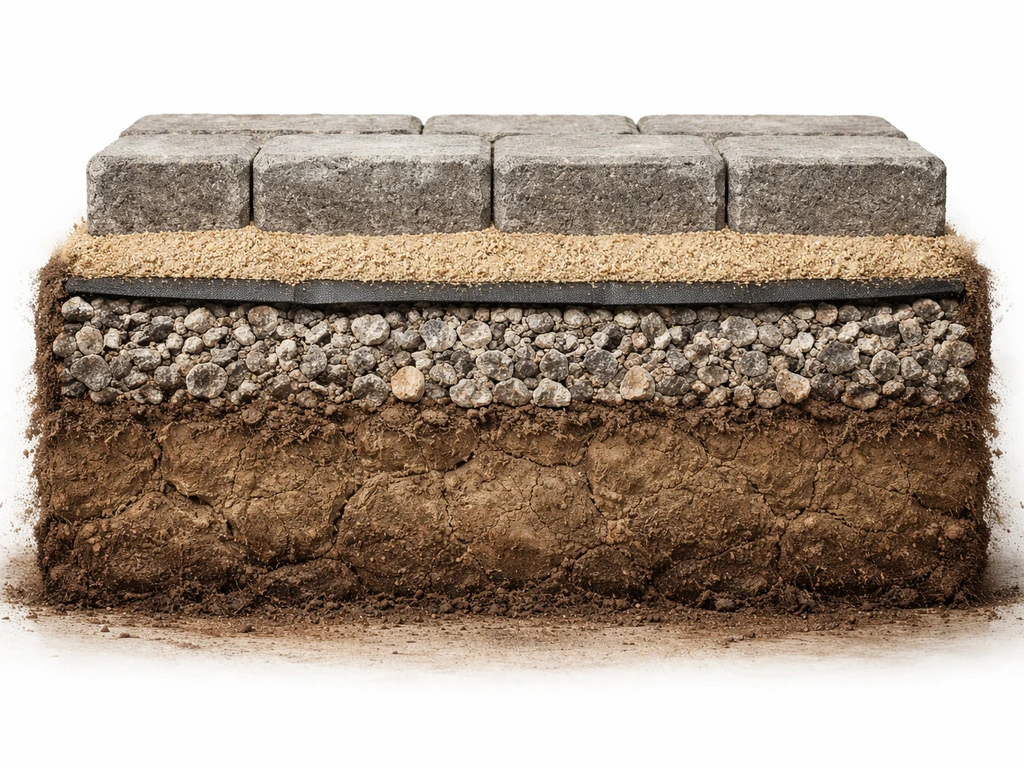
Clay-heavy soils expand and contract with moisture, which is the leading cause of paver shifting and base failure. If your soil is clay-dominant, reviews of paver systems installed in sandy or loam soils simply don't predict your experience. You'll need a deeper base, possibly a geotextile separator fabric between the subgrade and aggregate, and more aggressive edge restraint staking (typically every 12 inches rather than the standard 24 inches on stable soil). Dig a test hole in your project area, go down 12 inches, and feel the soil. If it's sticky when wet, plan accordingly.
System compatibility with your home
For covered structures, check that your home's ledger attachment point (if the pergola attaches to the house) is structural, not just siding. For outdoor kitchen systems, confirm your gas line capacity and that the run length doesn't drop BTU output below what the grill requires. For modular decking, verify that the system's joist or pedestal spacing matches the rigidity spec for your tile or board thickness. Most quality brands publish load tables; if the one you're reviewing doesn't, that's a concern worth noting.
DIY vs. hiring a pro: honest cost and difficulty breakdown
The question of DIY vs. professional installation comes up in almost every patio system review thread, and the honest answer is that it depends heavily on which system you're installing. Here's a realistic breakdown.
| System Type | DIY Difficulty | Typical DIY Cost Range | Typical Pro Cost Range | Permit Usually Required? |
|---|---|---|---|---|
| Interlocking paver patio | Moderate-High (base prep is labor-intensive) | $3–$8 per sq ft materials | $12–$22 per sq ft installed | Rarely for residential; check locally |
| Modular/pedestal decking | Low-Moderate | $8–$18 per sq ft materials | $15–$28 per sq ft installed | Rarely |
| Aluminum pergola kit | Moderate (two people minimum) | $2,000–$8,000 for kit | $4,000–$14,000 installed | Often yes; check local codes |
| Outdoor kitchen island system | Moderate-High (utility connections need licensed trade) | $3,000–$10,000 for system | $8,000–$25,000+ fully installed | Usually yes for gas/electric |
The biggest DIY pitfall in paver systems isn't the paver placement itself. It's the base prep. Skipping proper compaction or under-building the base depth is the #1 cause of sunken, shifted, or wobbly pavers within the first two years, and almost every negative review you'll find for 'patio paver systems' traces back to this. Renting a plate compactor (typically $80 to $120 per day) and taking the time to build the base properly is non-negotiable if you go DIY.
For covered structures and outdoor kitchens, permits are often mandatory and inspections are real. A structure that fails inspection can require costly rework or removal. Check with your local building department before purchase, not after. Many patio system review threads where homeowners complain about 'installation problems' are actually describing permit or inspection complications that a professional would have navigated upfront.
Long-term maintenance and what real performance looks like
Reviews written in the first year of ownership almost always sound better than reviews written in year three or four. Here's what to expect from each major system type over time, so you can weight early reviews appropriately.
Paver systems
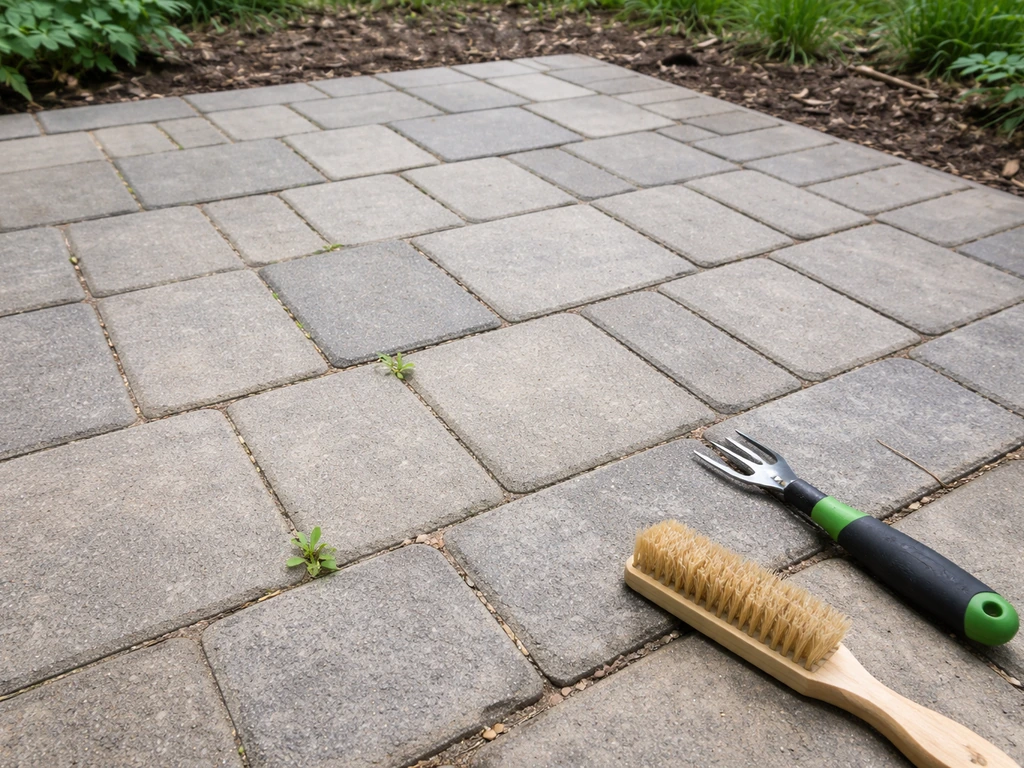
Well-installed interlocking paver systems are exceptionally low-maintenance for the first several years. Polymeric sand in the joints (which hardens and resists weed growth) typically needs to be refreshed every three to five years. Sealing pavers extends color life and makes cleaning easier but isn't mandatory; plan on resealing every two to four years if you choose to seal. Drainage is the long-term performance variable: a properly pitched surface (1/4 inch drop per foot minimum away from structures) stays stable; poor drainage leads to base saturation, frost heaving, and eventual settling. Individual pavers can be lifted and reset without disturbing the whole surface, which is one of the biggest real-world advantages over poured concrete.
Modular and composite decking
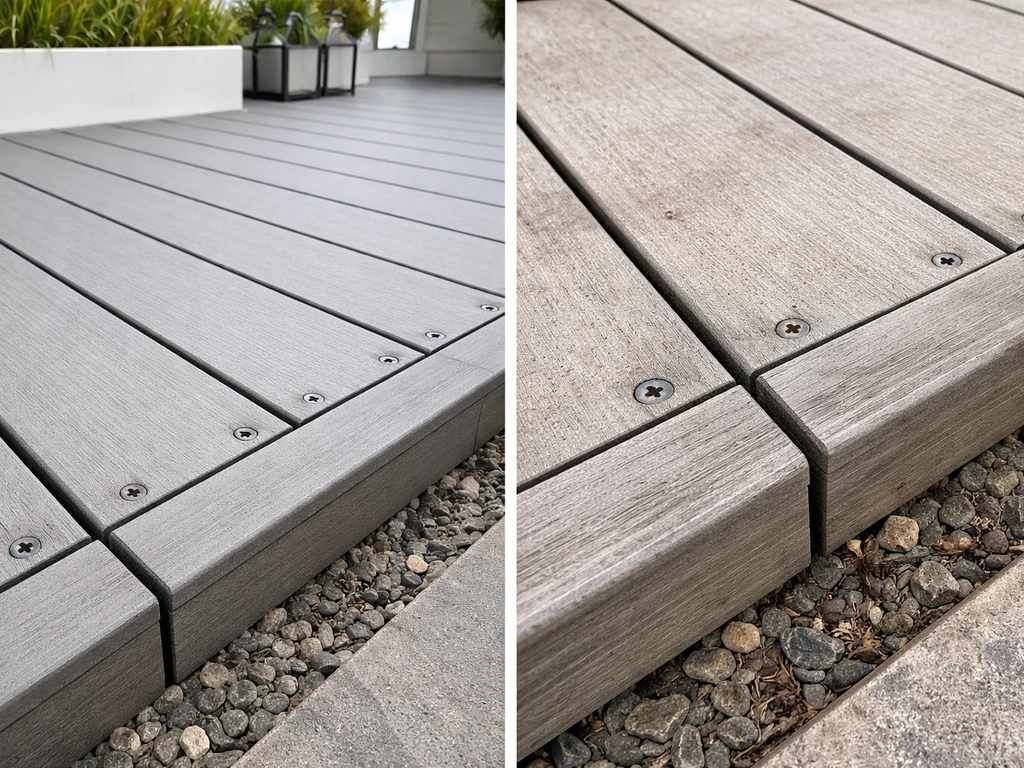
Capped composite boards hold up significantly better than uncapped boards in UV-exposed environments. Trex says its newer-generation capped composite boards use a high-performance coextruded shell intended to resist fading, staining, scratching, and mold, which supports long residential warranty periods capped composite boards hold up significantly better. Expect some fading in the first year (it's normal and stabilizes), and plan on an annual cleaning with a composite deck cleaner and a soft brush. Avoid pressure washing at high settings; it can raise the grain on composite boards and make them rough. The connectors and pedestals on modular systems should be checked annually; clips can loosen in repeated heat expansion and contraction cycles.
Covered structures and pergola kits
Powder-coated aluminum structures are genuinely low-maintenance; an annual rinse and inspection of fastener points is usually sufficient. Wood pergola kits require staining or sealing every two to three years, and post bases are vulnerable to rot if they're in contact with soil or hold moisture. Louvered roof systems have moving parts (the adjustable louvers) that need occasional lubrication and should be inspected for debris after storms. Look for reviews that specifically address the longevity of the louver mechanism, since that's where these systems typically show wear first.
Outdoor kitchen systems
Stainless steel components need wiping down after each use in coastal environments to prevent surface rust and pitting. The island base (whether concrete board, aluminum stud framing, or a polymer panel system) should be checked annually for cracks, moisture intrusion, or panel separation. Grout or caulk lines around countertops typically need refreshing every two to three years to prevent water infiltration into the base. The biggest long-term complaint in outdoor kitchen reviews is burner degradation from moisture; covering the grill when not in use extends life significantly.
Red flags in patio system reviews and how to verify claims
Learning to spot an unreliable review is just as valuable as finding a good one. These are the patterns that should make you pause.
- No photos or only staged manufacturer photos: Legitimate long-term reviews almost always include photos of the actual installation, including the messy or imperfect parts. A review with only beauty shots is likely promotional content.
- No mention of climate or location: Performance claims without regional context are meaningless for a weather-dependent product. If a reviewer raves about zero frost heaving but lives in Houston, that review tells you nothing about Minnesota performance.
- Five-star reviews that cluster around the product launch date: A surge of reviews all posted within a 30-day window of a product's release is a classic indicator of incentivized reviewing. Look for review date distribution across 12 to 24 months.
- Vague time frames: 'Works great after installation' is not a useful review. 'Still solid after two full winters in Wisconsin' is. Discount any review that doesn't tell you how long the product has been in place.
- Claims that contradict manufacturer specs: If a reviewer claims easy single-person installation for a product that weighs 800 pounds per section, something doesn't add up. Check the spec sheet.
- No mention of installation difficulty or challenges: Any real installation has some complication. Reviews that describe a perfectly smooth process with zero problems are either from experienced professionals (who should say so) or are not fully honest.
- Unverifiable before-and-after claims: Before-and-after photos are useful, but check the metadata if possible, or look for seasonal cues in the photos. A 'one-year later' review posted three months after the 'before' photo is not a year-old review.
- Single-platform consensus: If a product has glowing reviews on the manufacturer's own site but mixed reviews on third-party platforms, trust the third-party sources more.
To verify claims across sources, search for the product name combined with terms like 'problems,' 'failure,' 'after two years,' or 'warranty claim.' Patio-specific forums and homeowner communities tend to surface the honest long-term experiences that retail review platforms underrepresent.
How to pick the right patio system for your budget, style, and climate
By the time you've read through reviews critically, you should have a shortlist. Here's how to make the final call based on your three most important constraints: budget, style, and climate.
Matching system to budget
Under $2,000 total: Modular snap-together tile systems and basic patio-on-a-pallet kits are your realistic options. They're a good entry point but treat them as a starter setup, not a 10-year solution. Between $2,000 and $8,000: A DIY paver patio with a proper base is achievable, or a quality modular decking system over an existing slab. A basic freestanding pergola kit also fits this range. Between $8,000 and $20,000: You can commission a professionally installed paver patio, add a quality aluminum pergola with a louvered roof, or install a mid-range outdoor kitchen island system. Over $20,000: Full outdoor living systems that combine hardscape, covered structure, and outdoor kitchen are realistic, and professional design and installation at this level typically pays off in execution quality and long-term value.
Matching system to style goals
If a natural, timeless look is the priority, interlocking concrete or natural stone pavers are hard to beat. If a clean, contemporary aesthetic matters more, large-format porcelain tiles on a pedestal system or composite decking in a muted color palette tends to read as more modern. For a warm, traditional feel, wood pergolas with cedar or pressure-treated lumber fit well, though they carry higher maintenance expectations. For a cohesive outdoor kitchen look, matching your island panel material and countertop to your paver or decking surface ties the whole space together.
Matching system to climate
In freeze-thaw climates (USDA zones 3 through 6), interlocking paver systems need a properly deep aggregate base, typically 8 to 12 inches in the coldest zones, and geotextile fabric between the subgrade and aggregate is a worthwhile addition. Modular decking over an existing slab can actually perform better in these climates than new poured concrete, since it's flexible and can accommodate minor frost movement without cracking. In hot, high-UV climates (zones 9 through 11), choose composite decking products rated for high UV exposure, and prioritize powder-coated aluminum over painted steel for any structure. In coastal or high-humidity environments, stainless steel hardware ratings matter (316-grade stainless outperforms 304 in salt air), and any outdoor kitchen components should be explicitly rated for marine or coastal environments. In high-wind zones, check that pergola and covered structure kits publish wind load ratings in mph and that those ratings match or exceed your local design wind speed, which your local building department can provide.
The best patio system for your yard is the one that matches your real conditions, not the one with the most five-star reviews. Use reviews as data points, not verdicts. When you find reviews from homeowners in your climate, with your soil type, and your budget range, who have owned the product for two or more years and include photos, those are the reviews worth building a decision around. If you want patio playhouse reviews, focus on long-term reports, mention of materials and installation details, and how the structure holds up through seasons Use reviews as data points, not verdicts.. Everything else is context.
FAQ
Why do some patio systems seem cheaper in reviews but end up costing more for me?
Ask reviewers what they paid for “extras” that are easy to miss, like edge restraints, geotextile fabric, polymeric sand, leveling sand, replacement clips, and any rental tools. A great rating with no mention of these items can hide a much higher total installed cost than the review implies.
What should I look for in reviews to judge drainage performance?
Look for whether the review explains what drainage solution was used, not just whether “water drains fine.” For pavers, confirmations like a maintained slope away from the house, and notes about standing water after heavy rain, are more useful than general comfort statements.
How can I tell if a paver patio review is really about performance, not appearance?
For paver patios, confirm the reviewer mentions base construction details such as compacted base depth, whether they used a plate compactor correctly, and if polymeric sand was installed and later recharged. If they only discuss paver color and “looks,” treat drainage and stability claims as unverified.
Which timing details in patio systems reviews matter most for long-term durability?
Use the reviewer’s timing as a proxy for seasonal risk. A review written after a single dry month is low signal, while comments like “after a wet winter” or “after two freeze-thaw seasons” are high signal, especially for joint stability and base settling.
Can I trust reviews that don’t specify which patio system type they installed (pavers vs decking vs covered structure)?
Match the system category, even if the photos look similar. Modular decking reviews do not predict paver base failure, and pergola kit reviews do not predict wind or ledger performance issues. If the review category does not match your target category, discount it.
What warranty details should I look for in patio systems reviews?
Yes, but be specific in the warranty question. Reviews that mention what triggered coverage, how long the claim took, and whether the manufacturer required proof of installation methods (for example base spec and use of restraint systems) are more actionable than “warranty was good.”
Do patio system warranties usually cover problems caused by poor site prep?
Even with a good warranty, ask whether the warranty covers installation failures or only manufacturing defects. For hardscape base problems, many warranties treat shifted pavers, sunk edges, and base movement as installation or site issues, not product defects.
How do I use reviews when I am installing over an existing concrete slab?
Verify whether the reviewer used the recommended installation surfaces. For example, modular decking over an existing slab can behave differently if the slab has poor slope or trapped moisture. Reviews that mention slab condition and moisture were more informative than reviews that skip those details.
What “use case” factors can change a patio system review outcome?
Ask reviewers whether they have pets, frequent grill use, or heavy furniture. Composite decking can show scuffing patterns from dragged feet or hot grill heat, and outdoor kitchens can show faster wear where grease and moisture repeatedly contact grout, caulk, and cabinet seams.
If I live in a freeze-thaw climate, which patio system review comments should I prioritize?
For freeze-thaw areas, prioritize reviews that mention base depth, geotextile use, and whether polymeric sand stayed intact. Also look for comments about edge restraint spacing and whether the patio heaved or sank at the perimeter first.
What should coastal homeowners look for in patio systems reviews regarding corrosion?
If you are coastal, look for explicit mentions of fastener grade, stainless type, and hardware corrosion after salt exposure. Reviews that only say “it looks fine” after a season can miss pitting or rust at joints and mounting points.
How can I judge pergola or covered structure stability from reviews?
For pergola or covered structures, seek reviews that mention wind during storms and how the structure was anchored. The most useful details include the anchoring method, whether the ledger was mounted to structural framing, and any reported loosening after strong gusts.
What are common DIY mistakes that show up in negative patio system reviews?
For DIY, the biggest red flags are vague statements like “easy to install” without base prep steps or tool use. Reviews that mention renting or using a compactor, checking slope, and correcting uneven subgrade before placing pavers are far more trustworthy.
Why do some reviews criticize a patio system for looking bad even though the install might be fine?
Yes, because perception can change with cleanup and maintenance. For example, composite boards that become rough after high-pressure washing may prompt harsh reviews, so check whether the reviewer describes their cleaning method and ongoing maintenance schedule.
What photos should I request or look for in long-term patio system reviews?
Ask for photos of joints, edges, and any transitions after storms. Many reviews focus on the center of the patio, but perimeter problems like settlement, drifting restraints, or water pooling at transitions are where failure shows up first.
Should I discount first-year patio system reviews, and if so, how much?
Treat early positive reviews as “install quality,” not performance. If the reviewer does not discuss drainage, joint behavior, fading, or any seasonal change, assume their experience is within the benign first-year window.
What one extra compatibility check should I do before purchasing based on reviews?
Add one extra check before you buy: confirm the system’s compatibility with your existing drainage or house slope requirements, especially for areas near foundations and walkways. Even a premium kit can fail if it forces water toward the home or creates a low spot.