
blank" rel="noopener noreferrer">Patio Diet Cola is a real, specific product: a diet soda PepsiCo test-marketed in 1963 under the name 'Patio Diet Cola' before rebranding it as Diet Pepsi in 1964. So if you searched this term, you are almost certainly looking at something Pepsi-related, not Coke, whether that is a vintage bottle, an old advertisement, or a commercial featuring the brand's original spokesperson, fitness promoter Debbie Drake. Knowing that upfront saves you a lot of time sorting through listings.
Patio Diet Cola: Find Ads or Value a Bottle Today

Miles Sutton
3 May 2026
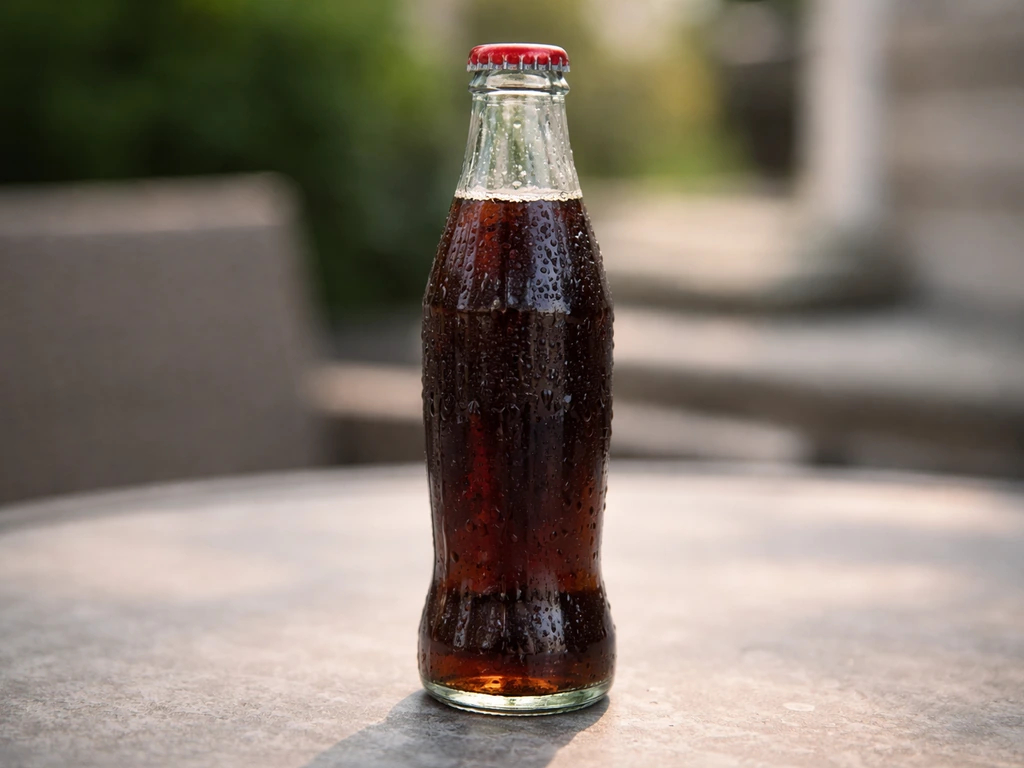
What 'Patio Diet Cola' actually refers to
The Patio brand was PepsiCo's umbrella name for a line of flavored sodas in the early 1960s. Patio Diet Cola was positioned as a low-calorie option, initially marketed toward people managing diabetes as well as weight-conscious consumers. Debbie Drake, a well-known TV fitness personality at the time, appeared in promotional materials for it.
The brand had a short run: by 1964, Pepsi folded it into the new Diet Pepsi name, which meant Patio Diet Cola bottles, cans, and advertising materials had only about a one-year window of production. Collectors Weekly also describes Patio as Pepsi’s short-lived line around 1963, providing helpful collecting context for why Patio items are so time-specific Pepsi folded it into the new Diet Pepsi name.
That short window is exactly why collectors find them interesting.
When people search 'patio diet cola' today, they usually want one of three things: an old print ad or TV commercial clip from the early 1960s, a physical collectible bottle or can in good condition, or a price check on something they already own or found at an estate sale. A smaller group ends up here because they typed something close to 'patio diet' or 'patio process' and landed on a slightly different result than expected.
If you are seeing “patio process” mentioned alongside vintage soda listings, it helps to compare the bottle details to what you would expect from Patio Diet Cola so you can avoid mismatches. If you meant the patio process instead of the vintage soda, the “process” usually refers to the steps people follow to set up and manage an outdoor patio plan.
If you are in that last group, the patio diet and patio process topics cover related collector territory worth exploring.
Pinning down exactly what you have (or want)
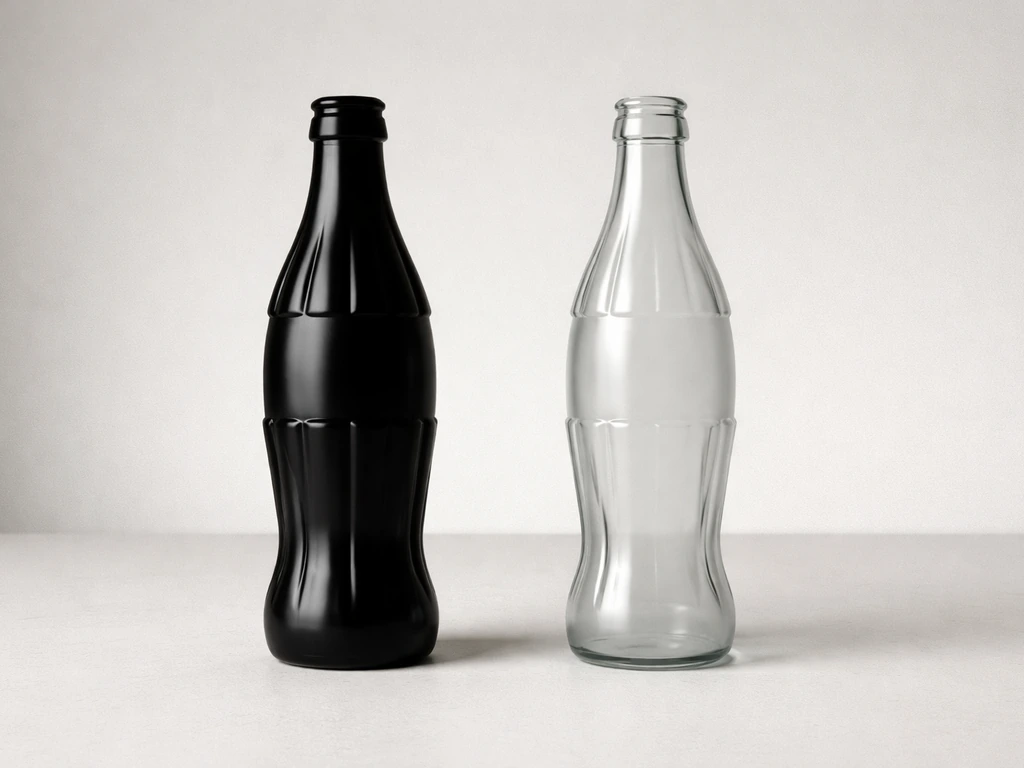
Before you do anything else, confirm two things: brand and format. For brand, the answer is almost always Pepsi, not Coke. Diet Coke did not exist until 1982, so if someone is selling you a 'vintage Patio Diet Cola' bottle and suggesting it might be a Coke product from the early 1960s, that is a red flag. Coke vintage glass bottle collectors do look for old Diet Coke bottles (common eBay searches include 32oz glass bottles and 10oz no-deposit versions), but those are a completely separate collecting category.
Coke vs. Pepsi: quick identification
Bottle silhouette is your fastest visual clue. Pepsi bottles from the early 1960s tend to have a more cylindrical, upright shape, while Coke bottles from the same era have the iconic contour 'hobbleskirt' shape that narrows at the waist. For Patio Diet Cola specifically, look for the Patio brand name either embossed directly into the glass or applied as an ACL (Applied Color Label), which is a screen-printed label fused directly onto the bottle surface. If the bottle has a paper label instead of an embossed or ACL label, treat that as a reproduction warning sign, especially for items claimed to be from 1963-1964.
Reading the bottle itself
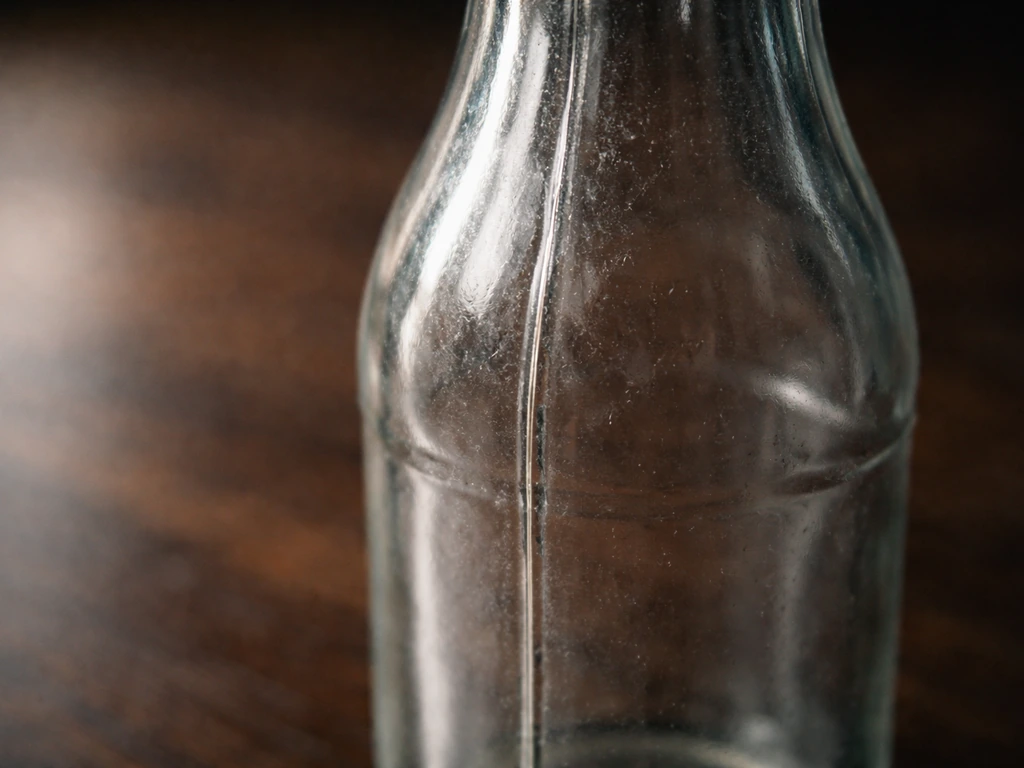
Genuine early-1960s bottles carry several physical signals worth checking. Look at the mold seam first: it runs up the side of the bottle, and its termination point gives you a rough age bracket. On older machine-made bottles the seam runs all the way through the lip, which is consistent with mid-20th century production.
You should also look at the base and heel for embossed date codes, which appear as small stamped numbers, and for maker marks that identify the glass manufacturer. Coca-Cola reportedly stopped date-marking its bottles in the 1980s, so date codes on a Pepsi bottle from the 1960s should be small and embossed, not printed. Mold numbers on the base can help trace the factory, which is useful if you want to get serious about authentication.
How to check what it's actually worth
Pricing collectible soda bottles is one area where a lot of buyers go wrong. The mistake is looking at active listings and assuming the asking price is the market price. It is not. Sellers can ask anything. What matters is what items actually sold for, which means you need to filter for completed or sold listings. Use eBay’s advanced search sold-listings filters, which can be driven by parameters like LHSold=1 and LHComplete=1, to pull up transaction results for price checking filter for completed or sold listings. On eBay, for example, you can filter search results to show only completed sales. That gives you real transaction data instead of wishful asking prices.
Condition and packaging make an enormous difference in what a bottle fetches. Here is a rough breakdown of the factors that move price up or down:
| Factor | Higher Value | Lower Value |
|---|---|---|
| Label/Markings | ACL or embossed intact, no fading | Paper label, faded ACL, or chips |
| Cap/Closure | Original cap present and intact | Missing cap or replacement cap |
| Condition | No chips, cracks, or cloudiness | Chips on lip, base cracks, hazing |
| Size/Format | Uncommon sizes (large or small novelty) | Standard sizes with many available |
| Brand Specificity | "Patio Diet Cola" name visible | Generic diet cola with no brand |
| Provenance/Packaging | Original case or promotional materials | Bottle alone, no context |
Beyond eBay completed sales, check platforms like Etsy (strong for vintage soda collectibles), TIAS (The Internet Antique Shop), and specialized bottle collector forums. Local options including estate sale apps, Facebook Marketplace, and antique mall dealers sometimes have bottles priced well below online market rates simply because the seller has not done the research.
Where to find Patio Diet Cola listings right now
Online marketplaces are your best starting point for both research and purchase. eBay has the deepest inventory for vintage soda bottles and the most useful completed-sales data. Search 'Patio Diet Cola bottle,' 'Patio Diet Cola can,' and 'Patio Diet Cola ad' as separate searches since results vary a lot by keyword. Etsy tends to attract sellers who have already done some research on what they have, so prices are sometimes higher but the listings are usually better described. Worthpoint is a paid database that archives old eBay and auction results, which is genuinely useful if you want historical price trends rather than just recent sales.
For ads and commercials specifically, YouTube is the first place to check for old TV spots. Archive.org (the Internet Archive) has scanned vintage print advertisements that you can browse for free. If you are looking to purchase an original print ad rather than just view it, eBay and Etsy both have active markets for vintage soda advertising ephemera.
Local sourcing is underrated. Estate sales, particularly those from households with collections formed in the 1960s and 1970s, occasionally surface Patio-era items at prices well below what you would pay online. Estate sale apps like EstateSales.net and Estatesale.com let you preview items before attending. Antique malls in larger cities often have bottle dealers who specialize in this category and can give you an honest verbal appraisal.
How to avoid scams and fakes when buying
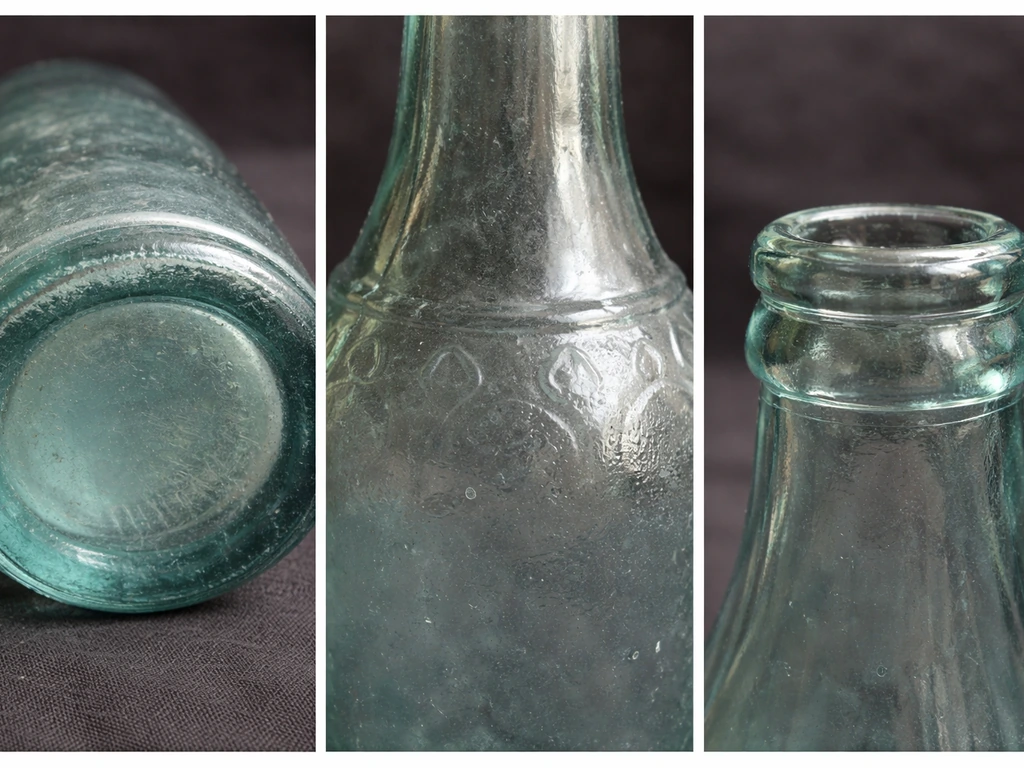
Reproduction soda bottles are common enough that you need a short checklist before committing to any purchase. The reproduction risk is real: manufacturers have reprinted vintage-style labels and applied them to new glass, and these show up regularly in antique markets alongside genuine items.
- Ask for photos of the base, heel, and lip before buying online. Authentic bottles from the early 1960s will show mold seams running to or through the lip, embossed date codes or maker marks on the base, and wear patterns consistent with age.
- Check for ACL vs. paper labels. Genuine Patio Diet Cola bottles from 1963-1964 should have either embossed lettering or ACL screen-printed labels baked onto the glass. A paper label on a bottle claimed to be from that era is a reproduction flag.
- Verify the timeline. Diet Pepsi did not exist by that name until 1964, and the Patio Diet Cola window is 1963-1964 only. Any seller claiming a 'Patio Diet Cola' bottle is from outside that window is either misinformed or misleading you.
- Cross-reference the price against completed eBay sales before you pay. If the asking price is dramatically higher than recent completed sales, negotiate or walk away.
- For higher-value purchases (generally over $50), buy through platforms with buyer protection, pay with a credit card, and document everything with screenshots of the listing before purchase.
- Be skeptical of 'sealed' original bottles. Genuine sealed examples from the early 1960s are extremely rare. If a seller is offering one without strong provenance documentation, treat it as suspect until proven otherwise.
The actual patio angle: serving diet cola at your outdoor space
If you landed here because you are planning drinks for a patio gathering rather than hunting for a collectible, here is the practical side. If you want ideas for hosting, a patio legal setup can help you plan drinks and presentation so everything feels intentional. Diet cola is one of the most requested non-alcoholic options at patio entertaining setups, and how you serve it matters more than people expect.
If you mean the broader patio diet idea behind lighter drinks, focus on low-calorie options and smart serving choices for your guests. Carbonation goes flat faster in heat, so keeping cans and bottles in a shaded cooler or a dedicated outdoor mini-fridge rather than a sunny drinks table makes a noticeable difference. Pre-filling a drink dispenser with diet cola is tempting but not ideal since it loses carbonation within an hour or two.
For a nicer presentation, serve diet cola in branded glass bottles when possible, which is actually where vintage-style Pepsi and Coke glass bottles earn their place on a patio table. Glass keeps the drink colder longer than plastic and holds carbonation better once opened compared to cans left sitting open. If you are building out a patio bar or beverage station as part of a larger patio project, a small under-counter beverage fridge set to around 35 to 38 degrees Fahrenheit is the sweet spot for carbonated drinks. Pair it with a dedicated recycling bin close to the beverage station so cans and bottles do not pile up on your patio furniture.
Your next steps, in order
Here is exactly what to do today depending on what you are actually trying to accomplish:
- Confirm brand and format: Patio Diet Cola is a Pepsi product from 1963-1964. Decide whether you are looking for a bottle, a can, a print ad, or a video commercial, then search accordingly.
- Gather photos and details if you own or are considering a specific item: base markings, label type (ACL, embossed, or paper), cap presence, and any chips or cracks.
- Check completed eBay sales first, not active listings. Filter by 'sold items' to see real transaction prices.
- Compare across platforms: check Etsy, Worthpoint (paid), and any local estate sale apps for your area.
- Verify authenticity using the checklist above: mold seam, label type, date codes, and timeline consistency.
- Make your buy or skip decision with real price data in hand, not asking prices. If the seller cannot provide clear photos of the base and label, pass and find another listing.
FAQ
How can I tell quickly whether a “Patio diet cola” listing is really Pepsi-related and not a Coke mix-up?
If the listing mentions “Patio Diet Cola” but shows a Coke bottle shape (the hobbleskirt contour) from the early 1960s, treat it as a mismatch unless the seller can provide clear evidence of the correct brand markings. Diet Coke was introduced much later, so early listings that imply Coke by name or bottle shape are the most common confusion point.
Are reproduction bottles common for Patio Diet Cola, and what exact label clues should I look for?
Yes, but only if the label and finish match the era. Many reproductions use modern paper labels, while genuine examples more often show Patio branding via embossed glass or an ACL-style applied color label fused to the surface. If the bottle has crisp, perfectly centered modern-looking paper label edges, assume higher reproduction risk.
What’s the best way to estimate the real market price for a Patio Diet Cola bottle I find online?
Start with completed sales, then sanity-check with bottle size, packaging, and clarity of markings. A great rule is to ignore active asking prices and instead compare your specific variant (bottle vs can, size, and label type) to the sold results. If the sold range is much narrower than the asking prices, the market is being inflated by sellers who are not moving inventory.
How do I verify whether any date codes on the base or heel look authentic for a 1963 to 1964 bottle?
For dating, prioritize embossed features over printed ones. On authentic 1960s Pepsi bottles, any date code or maker mark should look like small embossed or stamped numbers on the base or heel, not inked on. Printed date-style text is more consistent with later repacks or reproductions.
What extra photos should I request from a seller to reduce the chance of a reproduction or wrong attribution?
If you are buying from a listing that provides only a single photo, ask for close-ups of the mold seam area and the base heel, including the termination point and any stamped numbers. Reproduction bottles can look right from the front, but seam and base details are harder to fake consistently.
Why do some listings show “Patio process” near Patio Diet Cola, and should I worry about it?
When a listing includes “Patio process” alongside vintage soda terms, it’s usually keyword contamination. For collectors, use the seller’s exact bottle photo to confirm brand, then ignore the unrelated phrasing. If they cannot show Patio branding details (embossing or ACL) on the bottle itself, don’t rely on the search keywords.
Does authentication work the same way if the item is a Patio Diet Cola can instead of a bottle?
If you are seeing a can, focus on what’s printed and how it feels rather than just the presence of the words. For cans, authenticity checks often include consistent typography and printing wear that matches age, plus photos of the full can including top and bottom ends. If the seller only shows the front panel, you are missing the details that usually confirm whether it’s from the period.
What’s the best way to serve patio diet cola so it stays fizzy in outdoor heat?
For patio entertaining, avoid pre-filling a dispenser with diet cola for long stretches. Carbonation drops quickly in warm outdoor conditions, so a better approach is to keep bottles or cans chilled and pour when you are ready to serve. If guests arrive later than expected, re-chill and pour in smaller batches.
What serving setup makes the biggest difference for keeping patio diet cola cold and carbonated?
For serving temperature, use a shaded cooler or a small dedicated mini-fridge and keep the drinks consistently cold rather than relying on a sunny table setup. Glass-style bottles can help maintain carbonation after opening compared with letting cans sit out, but only if you control heat and pour in intervals, not all at once.