If you searched 'patio today Tucson,' you're probably trying to do one of three things: visit the Today's Patio furniture showroom in Tucson, get a fast plan for building or upgrading a patio at your home, or find local help for a patio project you want to start now. This guide covers all three, but spends most of its time on what most Tucson homeowners actually need: a practical, Tucson-specific plan for designing, sizing, and maintaining a patio that can handle the heat, the monsoon, and the desert sun.
Patio Today Tucson AZ: Fast Plan, Sizing, and Next Steps

Miles Sutton
16 May 2026
What 'Patio Today Tucson' Actually Means (and What You Need Next)
Today's Patio is a real patio furniture retailer with a Tucson-area showroom at 7685 N Oracle Rd in Oro Valley (85704). They're open Monday through Saturday 10am to 6pm and Sunday 10am to 5pm. If you're heading over to see the showroom or ask about local patio options, confirm the hours for is the patio open today before you go. You can reach the Tucson location at 520-230-7999 or [email protected]. If you're looking to shop for furniture, that's your starting point. But if you're trying to plan or build a patio space itself, keep reading, because the real planning work starts with your yard, not a showroom floor.
Most people who land on this search are somewhere in the middle: they have a backyard that isn't working, they want to do something about it today (or soon), and they're not sure whether to DIY, hire someone, or just buy some furniture and call it done. The sections below give you a real decision path, starting with a Tucson-specific checklist that will clarify exactly what kind of project you're looking at.
Tucson Patio Planning Checklist: Do This Before Anything Else
Tucson's desert conditions make a few planning factors non-negotiable. Work through this checklist before you spend a dollar on materials, furniture, or a contractor.
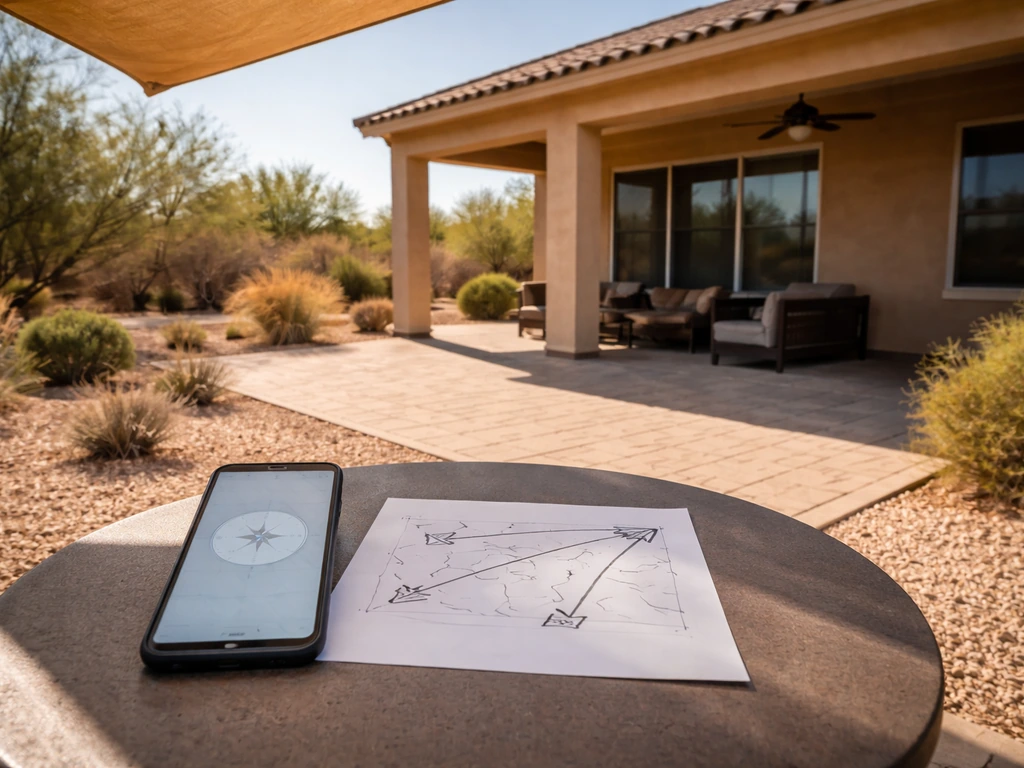
- Sun orientation: Figure out which direction your patio faces. West-facing patios get brutal afternoon sun and reflected heat from walls, which can make the space unusable from about 2pm to sunset without serious shade. East-facing patios are much easier to work with in Tucson summers. South and north orientations fall in between.
- Shade strategy: Plan for overhead shade first, everything else second. A pergola, shade sail, patio cover, or fast-growing vines can all work. UA Cooperative Extension notes that vines on a structure can reduce wind, dust, sun glare, and reflected heat, which makes them a genuinely useful Tucson tool, not just decorative.
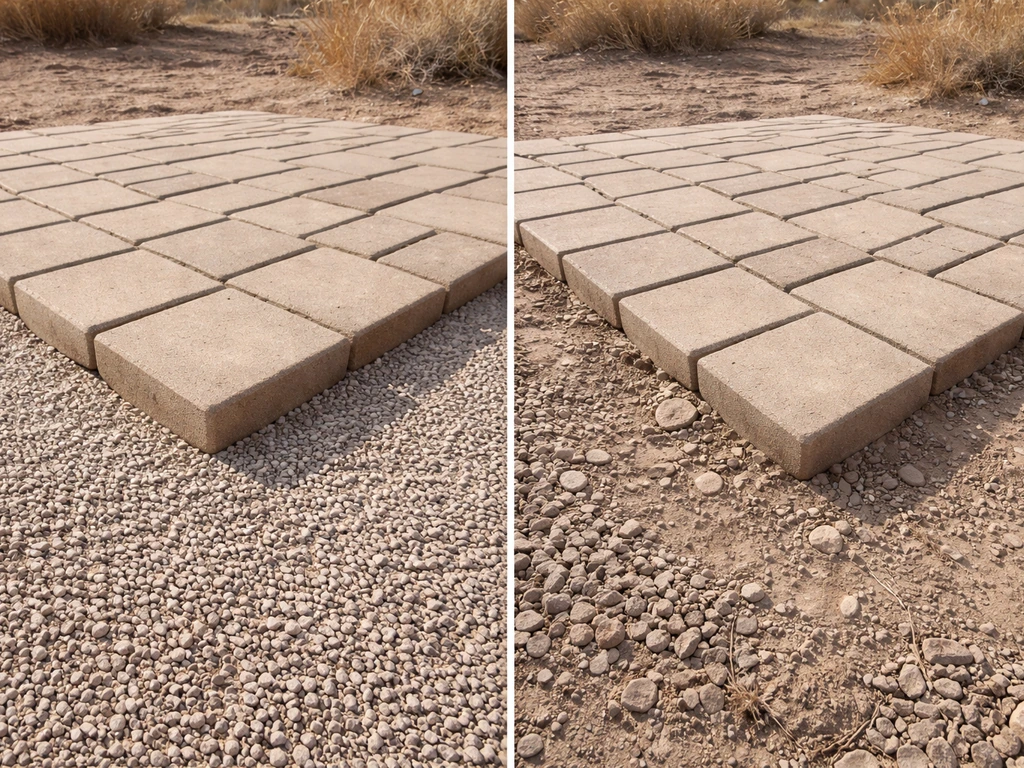
- Drainage slope: Your patio surface needs to slope away from the house at 1/8 to 1/4 inch per foot. Tucson monsoon storms can dump a lot of water fast, and a flat or inward-sloping patio will flood against your foundation. This is one of the most common paver patio mistakes in the area.
- Grading and runoff: If you need to regrade the ground before building, the City of Tucson requires a grading permit for most grading operations. Factor this into your timeline and budget before you start digging.
- Heat management: Concrete and pavers absorb and radiate heat. Light-colored surfaces and shade structures reduce surface temps significantly. Dark concrete or unshaded flagstone can burn bare feet in July.
- Wind and dust: Tucson gets haboobs and dusty wind events. If your yard is exposed, a vine-covered trellis or living screen on the prevailing wind side (generally southwest) helps a lot.
Patio Design Ideas That Actually Work in Tucson
Tucson homes respond well to a desert-contemporary patio style: earthy tones, natural materials, and clearly defined zones for different activities. The design choices that look good also tend to be the most practical ones in this climate.
Materials That Hold Up to Desert Conditions
| Material | Pros | Cons | Best For |
|---|---|---|---|
| Concrete pavers | Durable, replaceable, many styles | Can shift without proper base; needs sealing | Most Tucson patios; good DIY option |
| Poured concrete | Affordable, smooth, low maintenance | Cracks in heat/freeze cycles; needs 28-day cure before sealing | Large flat areas, modern style homes |
| Flagstone | Natural desert look, cool underfoot in shade | Irregular, harder to install level; gaps need filling | Casual desert landscaping, ramadas |
| Decomposed granite (DG) | Very Tucson-appropriate, permeable, cheap | Not a solid surface; dusty, tracks indoors | Budget patios, transition zones, paths |
| Travertine | Cool surface, upscale look, handles heat well | Higher cost, needs sealing, slippery when wet | Pool decks, high-end installs |
Zoning Your Outdoor Space
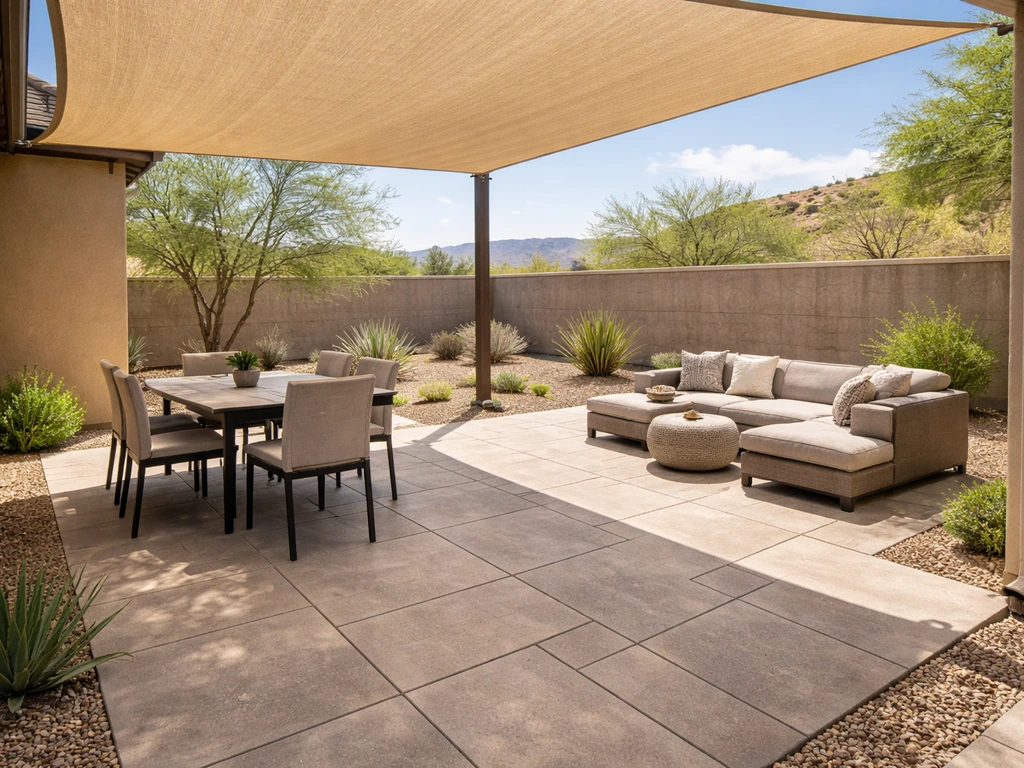
A functional Tucson patio almost always has at least two zones: a shaded area for dining or lounging, and an open area for grilling or a fire pit (which you use October through April, not in summer). If your yard allows it, a third zone for a small water feature or container garden softens the hardscape and helps with perceived cooling. Keep the cooking zone out of the covered area for ventilation and fire safety, and make sure pathways between zones are at least 36 inches wide for comfortable movement, especially if anyone in your household has mobility considerations.
Shade Structure Options
- Attached pergola with shade cloth or climbing vines: good middle-ground cost, flexible, does require a permit if the covered area exceeds 400 square feet or qualifies as an occupiable covered space under Tucson's rules
- Freestanding ramada: classic Tucson look, works well in larger yards, also subject to permitting if it creates occupiable covered space
- Shade sails: affordable, removable, good for east-facing patios with anchor points; minimal permitting concerns for temporary setups
- Aluminum patio cover: low maintenance, reflects heat well, often the fastest professionally installed option
DIY vs. Hiring a Local Pro: What Actually Makes Sense in Tucson
The honest answer is: it depends on scope. A small decomposed granite patio with a shade sail is a genuine weekend DIY project. A poured concrete or paver patio with a pergola is a much bigger job, and the permitting situation in Tucson adds real complexity.
When DIY Works
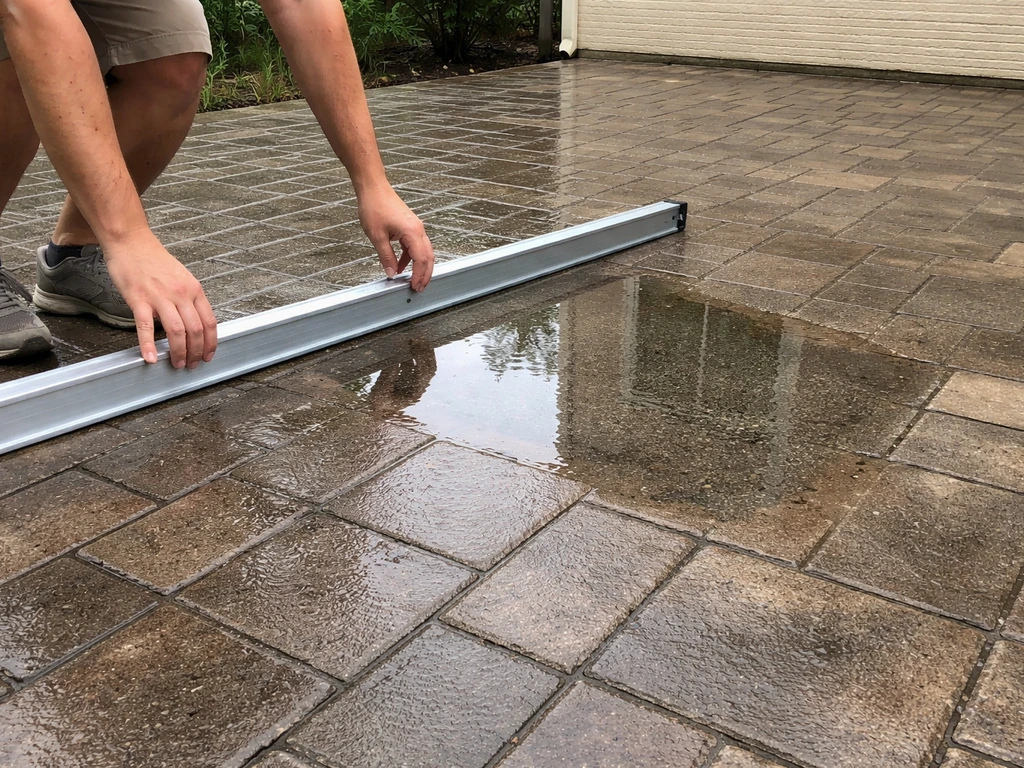
If you're laying a simple paver or DG patio under 200 square feet with no structure attached to the house, DIY is very doable. You'll need to rent a plate compactor, get a proper gravel base (typically 4 inches), and pay close attention to slope. Budget roughly $8 to $15 per square foot in materials for pavers, or $1 to $3 per square foot for DG. Your main risk is drainage: getting the slope wrong is the number one mistake that causes problems later, especially with Tucson monsoons.
When to Call a Pro
Hire a licensed contractor if you're adding any kind of permanent structure attached to the house, pouring concrete, regrading the yard, or adding electrical for outdoor lighting or fans. These trigger city and sometimes county permits, which require licensed work and inspections. Remember that permits in Tucson may need to come from both the City of Tucson and Pima County depending on your property, so check both before you start. A grading permit is required before most grading work regardless of project size. Permit review timelines in Tucson can run anywhere from a few days for simple over-the-counter permits to several weeks for plan-review projects, so build that buffer into your schedule.
Cost and Timeline Reality Check
| Project Type | Estimated Cost Range | Timeline (from start to done) | Permit Likely? |
|---|---|---|---|
| DG patio, no structure | $500–$2,000 DIY | 1–2 weekends | No (typically) |
| Paver patio, no cover | $3,000–$10,000 pro installed | 1–2 weeks | Sometimes (check grading) |
| Poured concrete patio | $4,000–$12,000 pro installed | 2–4 weeks (includes cure time) | Sometimes |
| Patio + pergola or shade cover | $8,000–$25,000+ | 4–8 weeks including permits | Yes, likely |
| Full outdoor living build-out | $20,000–$60,000+ | 2–4 months | Yes, multiple permits |
Sizing and Layout: How Big Does Your Patio Need to Be?
One of the most common mistakes is building a patio that looks big enough in the yard but ends up too cramped once furniture is on it. Here are concrete numbers to work from.
- A dining table for 4 people needs at least a 12x12-foot space (144 square feet) to pull chairs out comfortably and walk around
- A dining table for 6 to 8 needs at least a 14x16-foot area
- A lounge seating group (sofa, two chairs, coffee table) needs roughly a 10x12-foot zone minimum
- Leave at least 36 inches of clear walkway between any furniture and the edge of the patio or a wall, following standard accessible route guidance
- If you're combining dining and lounging zones, plan for a minimum of 20x16 feet (320 square feet) as a starting point for a functional multi-zone patio
- A grill or outdoor kitchen zone should be at least 10x10 feet and positioned downwind and away from the covered seating area
Lay out your zones with a garden hose or chalk before you commit to anything. When you plan where your patio shade will go, classify the site using micro-siting (full sun to part shade), and consider reflected light and heat, especially on the west side of a building. Walk through the space as if furniture is already there. You'll often find the space needs to be 20 to 30 percent larger than your first instinct. It's also worth noting that a shade structure under 400 square feet keeps you below Tucson's Large Area Shading permit trigger, which can simplify your project significantly if you're close to that threshold.
Maintaining Your Tucson Patio Through Every Season
Tucson has basically three seasons that affect your patio: brutal summer heat (May through September), monsoon (July through September overlapping with summer), and a mild but occasionally frosty winter. UA Cooperative Extension notes that during extreme heat, higher transpiration demand and increased evaporation accelerate loss of water, which is why prioritizing shade and water-efficient strategies can improve outdoor comfort in hot periods like Tucson’s heat accelerates loss of water. Your maintenance calendar should map to those shifts.
Sealing and Surface Care
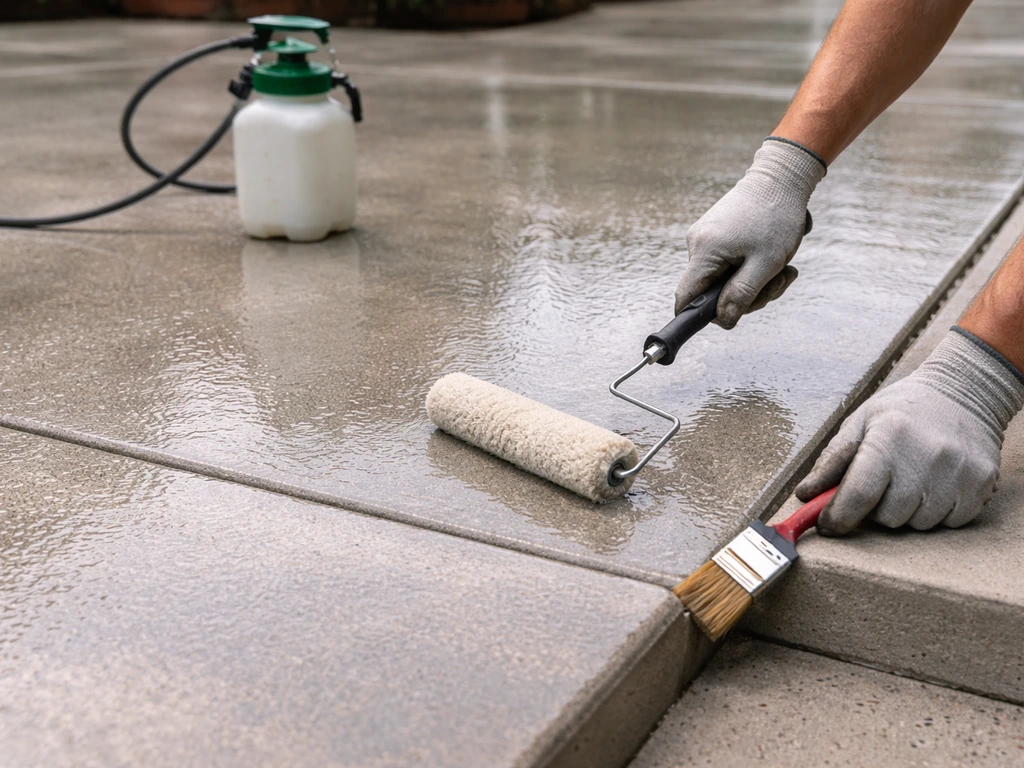
If you have a concrete patio, wait a full 28 days after placement before applying any sealer. Sealing too early can trap moisture and compromise the surface. Once it's cured and sealed, plan to reseal every 2 to 3 years in Tucson's UV-intense environment. UV breaks down sealers faster here than in milder climates. Pavers should also be sealed and have their joint sand refreshed after major monsoon seasons, since heavy rain washes out polymeric sand over time.
Weed Control
After a good monsoon season, weeds will appear in every crack and joint. A pre-emergent applied in late September (after monsoon ends) and again in late February (before spring germination) is your most effective tool. For existing weeds in paver joints, a direct-contact herbicide or boiling water works well without damaging the pavers themselves. DG patios need the most attention, as they're essentially a weed-germination medium after rain.
Furniture Protection
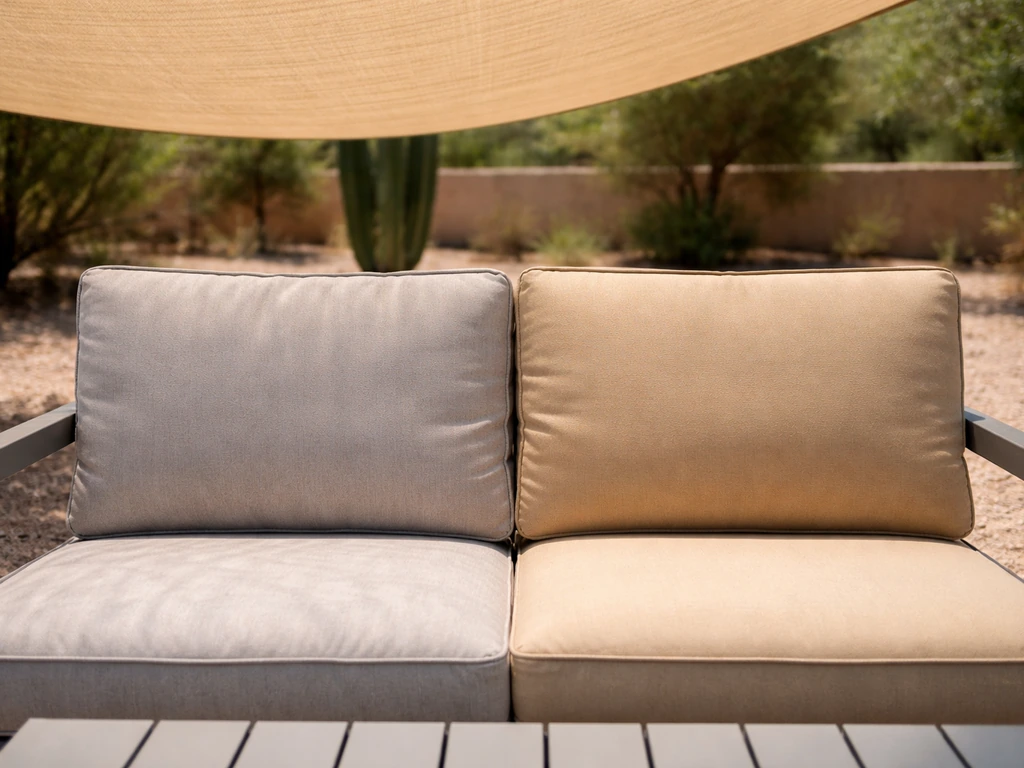
Tucson's UV exposure is extreme. Outdoor fabric fades and breaks down faster here than almost anywhere else in the country. Look for solution-dyed acrylic fabrics (like Sunbrella) when shopping, and cover or store cushions during extended periods you're not using the patio. If you visit the Today's Patio showroom on Oracle Road, this is worth asking their staff about specifically. If you want patios today help for your Tucson project, their team can point you to materials and layout ideas that fit your yard and climate Today's Patio. Metal frames hold up well, but powder-coated finishes can fade. A UV-protective spray treatment applied annually extends their life noticeably.
Drainage and Post-Monsoon Checks
After the first significant monsoon storm each year, walk your patio and look for pooling areas. If water is sitting for more than 30 minutes after rain stops, you have a drainage problem that will get worse every season. Small low spots in pavers can often be fixed by lifting a few pavers, adding or removing base material, and resetting them. Larger grading issues may need a French drain or surface channel drain installed along the edge of the patio. Catching this early is much cheaper than dealing with erosion or foundation moisture issues later.
Your Tucson Patio Maintenance Calendar at a Glance
| Season | Key Tasks |
|---|---|
| Spring (Feb–April) | Apply pre-emergent weed control, inspect and reseal surfaces if due, set up furniture, check shade structures for winter damage |
| Early Summer (May–June) | Install or deploy shade structures, store or cover light furniture during haboob season, check irrigation if patio borders planted areas |
| Monsoon (July–Sept) | Check drainage after first storms, clear debris from joints and drains, avoid sealing or painting in high humidity |
| Fall (Oct–Nov) | Apply second pre-emergent, reseal pavers or concrete if needed, deep clean surfaces, assess any storm damage |
| Winter (Dec–Jan) | Cover or store cushions and fabric, check for frost damage on concrete (rare but possible at elevation), plan any spring improvements |
FAQ
How do I figure out if my shade sail or pergola will trigger Tucson’s large area shading permitting?
If your patio will be covered by a shade structure, measure the total shade area, not just the footprint you expect to use. In Tucson, staying under the large area shading trigger depends on the shaded square footage, and the permitting complexity can change once you cross that threshold.
Do I really need to worry about drainage if my patio is only a small paver or DG area?
Yes. Even for small projects, you still need to plan for drainage before aesthetics. Use a level or laser to set the correct slope away from structures, then verify runoff paths during a test water pour, because Tucson monsoon rainfall will expose even minor grading errors.
What outdoor features usually push my patio project from DIY into needing a licensed electrician and permits?
Outdoor electrical and lighting commonly require licensed installation and inspections when you add new circuits, extend power, or install permanently mounted fixtures near damp areas. If you plan fans, outlets, or landscape lighting, treat the electrical scope as a separate permitting decision from the hardscape.
When is the best time in Tucson to build or resurface a patio so monsoon rain and heat don’t ruin the work?
Plan the build timing around the monsoon and UV exposure. Avoid scheduling base installation and surface placement right before peak monsoon months, and plan to protect materials during curing, since unexpected storms can wash out base layers or cause uneven settling.
Do I need HOA approval before I request Tucson or Pima County patio permits?
If your property is in a neighborhood with HOA rules, you may need approval for materials, color, fencing, shade structures, or even paver patterns before you apply for city or county permits. Check HOA constraints early so you do not redesign after inspections start.
How can I tell whether washed-out paver joints are a joint-sand issue or a drainage-and-base issue?
For pavers, you will usually need polymeric sand to lock joints, but it must be maintained after heavy monsoon seasons. If the joints keep washing out, you may need to refresh the sand more often or address base drainage and slope so water is not flowing through the patio.
If I get a few hot, dry days, can I seal concrete sooner than the recommended curing period?
For concrete sealing, the “wait time” depends on cure conditions, temperature, and moisture, but the safest default is to wait the full curing period before sealing. If you seal early, trapped moisture can lead to cloudy appearance, flaking, or faster breakdown of the sealer under Tucson UV.
What’s the best weed-prevention approach for decomposed granite patios in Tucson?
For weed control in DG, think in terms of weed management after rain cycles, not just one application. A pre-emergent schedule that targets post-monsoon and pre-spring timing works best, and you may need spot treatments in areas that collect splashback or moisture.
At what point should I consider my patio drainage a real problem, not just normal settling or minor pooling?
Pool-like water does not have to be visible to be a drainage failure. If water takes longer than about 30 minutes to disappear after rain, assume runoff is not draining correctly, then inspect for low spots and check whether the problem follows the same direction after multiple storms.
How do I avoid designing a patio that looks good empty but becomes cramped once full outdoor furniture arrives?
If you’re trying to decide between buying furniture and building first, start with the access and layout dimensions. Measure door widths, pathway clearances, and how bulky pieces (sectionals, fire tables, dining sets) will move through the yard, because changing the patio after delivery is often more expensive than minor base or zone adjustments.
What placement rules should I follow for grilling or fire pits so they are safe and code-friendly?
If the patio is adjacent to the house, keep cooking and heat sources positioned where ventilation and clearance are safe and practical. Also confirm that any gas line requirements, if applicable, are handled by the right licensed trades, since heat, proximity, and code requirements change how the space should be laid out.