You can absolutely grow a productive, beautiful garden on a patio. The key is matching your growing method (containers, raised beds, or a hybrid) to your actual patio conditions, then setting up soil, water, and care routines that work with limited space instead of against it. Here's exactly how to do that from start to finish. If you want to keep costs under control, use budget patio design tips like right-sizing containers and choosing mulch and mixes that stretch your money.
Garden Patio How To: Plan, Build, Plant, and Care

Miles Sutton
2 Jul 2026
Choosing the right patio garden style and setup
Before you buy a single pot or bag of soil, spend fifteen minutes honestly assessing your patio. The right style depends on three things: how much permanent space you want to dedicate, whether you rent or own, and what you actually want to grow. A balcony rental calls for a different approach than a concrete backyard patio attached to a house you own.
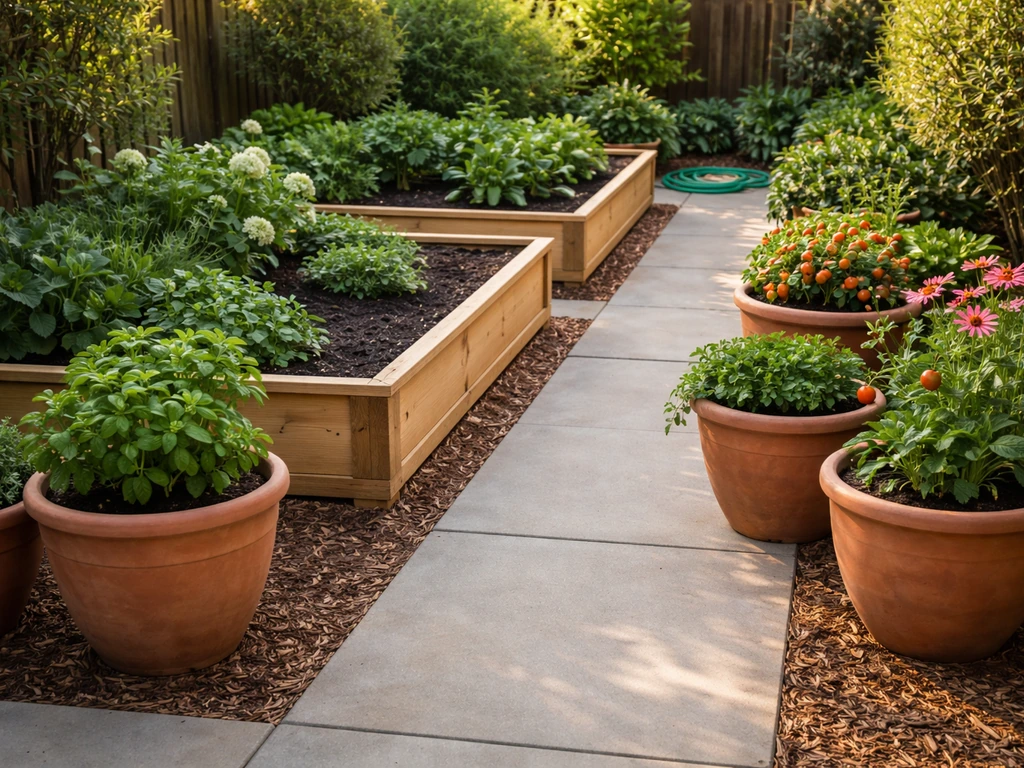
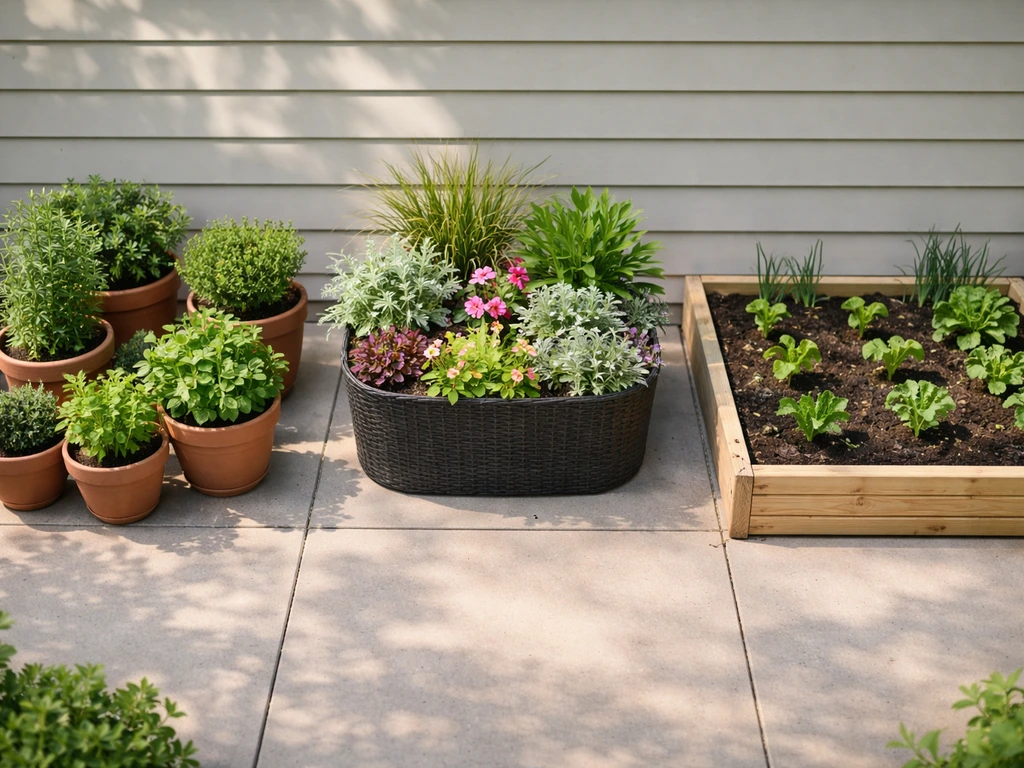
There are three broad setups to choose from. Pure container gardens are the most flexible: you can move pots, rearrange seasonally, and take everything with you if you move. Freestanding raised beds placed on the patio surface give you more soil volume and a slightly more permanent feel, but they add significant weight and need to sit on a structurally sound surface. A hybrid approach, mixing containers of various sizes with one or two compact raised beds, works well for most homeowners because it gives you flexibility where you want it and growing depth where you need it.
Style-wise, think about what you want to look at as much as what you want to harvest. A cottage-style patio garden uses layered containers at different heights with trailing and upright plants together. A modern edible garden keeps things clean with matching planters in a structured grid. A vertical garden using trellises on walls, fences, or raised-bed edges is the best choice when floor space is tight. If you go vertical, install your trellis structures first and check for constraints: building wall condition, wind exposure, door clearance, and whether the structure can handle the weight of mature climbing plants and wet soil.
Container vs raised-bed vs in-ground options on patios
Understanding the real trade-offs here will save you a lot of frustration later. Each method has genuine strengths and genuine limits.
| Method | Best for | Main advantages | Main limitations |
|---|---|---|---|
| Containers | Herbs, greens, peppers, compact tomatoes, flowers | Fully moveable, great for renters, easy to manage soil quality | Dry out fast, roots can freeze in winter, limited volume |
| Freestanding raised beds | Tomatoes, root vegetables, larger crops | More soil volume, better drainage off ground, longer growing season | Heavy (load concerns), more permanent, costlier to fill |
| In-ground adaptation (on patios with soil access at edges) | Perennials, shrubs, climbing plants | Deep rooting, less watering, low ongoing cost | Almost never possible on fully paved patios; not moveable |
For most patio gardeners, containers are the starting point. Most vegetables do well in containers holding 2 to 5 gallons of soil that are at least 12 inches deep. For bigger crops like tomatoes, aim for containers with blank" rel="noopener noreferrer">at least 8 to 10 gallons of growing media and a depth of 12 to 16 inches. For example, tomatoes, peppers, carrots, and many herbs have minimum container size or soil volume recommendations, which you should follow to get good growth in a container. Tomatoes specifically need a minimum of about 12 inches of depth to root properly. Going smaller than these minimums is one of the most common mistakes beginners make, and it leads directly to stressed, underperforming plants.
If you want to use raised beds on the patio surface, keep the width at or under 4 feet. Most adults can reach about 2 feet from each side, so a 4-foot-wide bed lets you tend the whole thing without stepping into the soil. Height matters too: beds that sit at least 6 to 12 inches above grade drain much better than ground-level setups, and most vegetables need that rooting depth anyway. Deeper beds (12 to 18 inches) are worth the extra cost if you're growing root crops or tomatoes.
Genuine in-ground planting is rarely possible on a fully paved patio, but if your patio has an unpaved border or exposed soil near the edge, you can take advantage of it for perennials, climbers on a fence, or established shrubs that frame the space without adding weight to the paved surface.
Planning layout: sunlight, drainage, spacing, and access
Layout planning is where most patio gardens either succeed or stall. Do this before you place a single container permanently.
Sunlight mapping
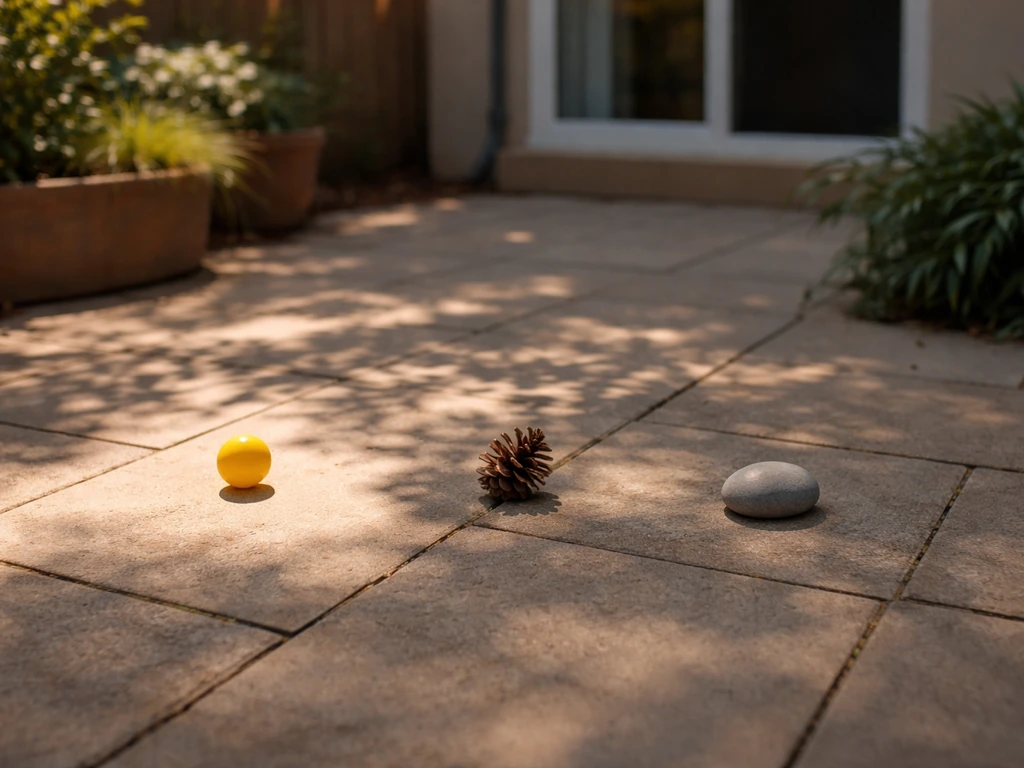
Walk your patio at three points during the day: mid-morning (around 9 am), midday, and mid-afternoon (around 3 pm). Note which areas get direct sun, which get dappled or reflected light, and which stay shaded. Most vegetables and fruiting plants need at least 6 hours of direct sun. Herbs and leafy greens can manage on 4 to 6 hours. If your patio is mostly shaded, lean into shade-tolerant crops and ornamentals rather than fighting it with sun-lovers that will disappoint you.
Drainage and runoff
Every container and raised bed on your patio will shed water, and that water has to go somewhere. Check whether your patio already has adequate slope and drainage channels. Place drip trays under containers to catch runoff and prevent staining, but empty them within a few hours after watering so roots don't sit in standing water. For raised beds, make sure there's a gap between the bed frame and the patio surface so water can escape freely. If you're putting beds on a wood deck, this is especially important to prevent rot and surface damage.
Spacing and access
Leave at least 18 to 24 inches of walkway between rows of containers or beds so you can move around comfortably with a watering can. If you're using a hose or drip system, also think about where the line runs and whether it creates a trip hazard. Tall planters and trellised structures should go on the north or east side of smaller plants so they don't cast shade where you don't want it. Think about harvest access too: you want to be able to reach every plant without awkward stretching or moving other pots.
Soil, planting, and choosing plants for patio conditions
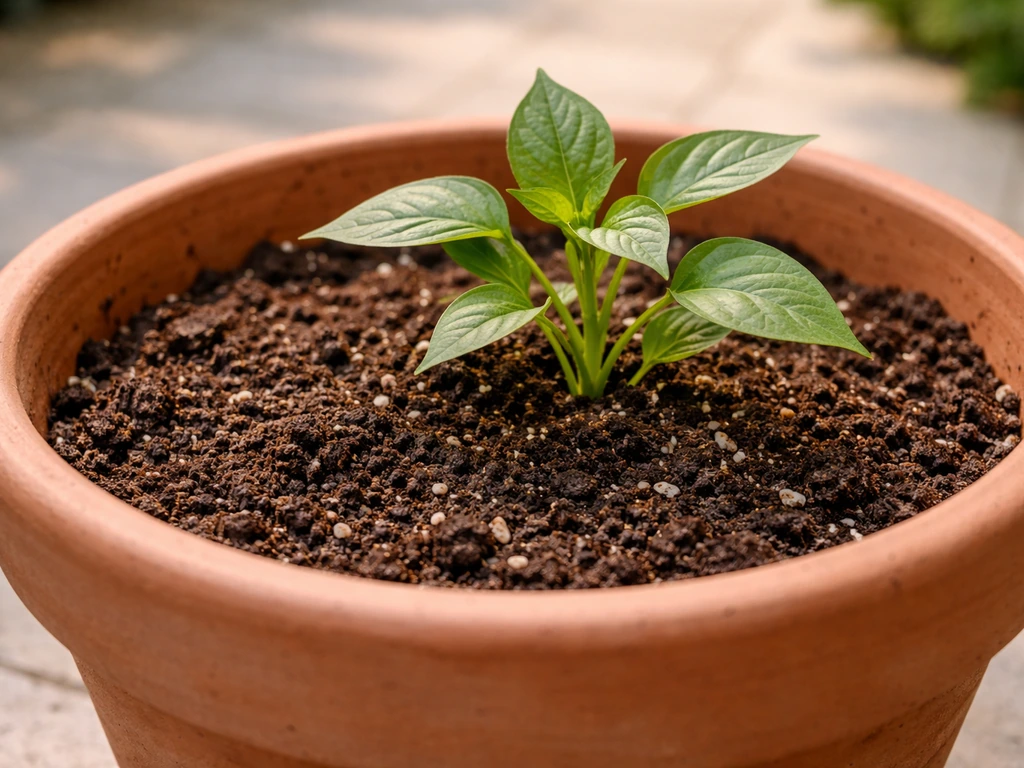
Never use garden soil or topsoil in containers or raised patio beds. Garden soil compacts in containers, cutting off root oxygen and drainage. Use a quality potting mix, or make your own. A reliable DIY mix uses roughly 3 parts coco coir, 2 parts compost, and 1 part perlite. The coir holds moisture without getting waterlogged, the compost brings nutrients, and the perlite keeps things airy enough for healthy roots. For raised beds on the patio, a similar blended mix works better than straight topsoil.
When choosing plants, match them to your patio's real conditions, not your wish list. Patios tend to be hotter, windier, and drier than garden beds because hard surfaces reflect heat and wind moves freely. Great choices for these conditions include herbs (basil, thyme, rosemary, chives), compact tomato varieties bred for containers, peppers, lettuce and salad greens (especially in spring and fall when patio heat is lower), strawberries, dwarf beans, and flowers like marigolds, petunias, and zinnias. For perennials, check your USDA Plant Hardiness Zone and choose plants rated one zone hardier than your own, because containers expose roots to air temperatures on all sides, making them more vulnerable to freezing than plants in the ground.
Plant at the same depth you'd use in a traditional garden, water in well after transplanting, and mulch the surface of containers and beds with about an inch of compost or bark mulch. Mulch cuts evaporation significantly, which matters a lot on hot patios where containers can dry out in a single afternoon in midsummer.
Quick plant-to-container size reference
| Plant | Minimum container size | Minimum depth |
|---|---|---|
| Herbs (basil, thyme, chives) | 2 gallons | 8 inches |
| Lettuce, spinach, greens | 2–3 gallons | 8–10 inches |
| Peppers | 3–5 gallons | 12 inches |
| Compact/patio tomatoes | 8–10 gallons | 12–16 inches |
| Carrots | 5 gallons | 12–16 inches |
| Dwarf beans | 3–5 gallons | 10–12 inches |
Patio-specific irrigation and watering routines
Watering is the single biggest ongoing task in a patio garden, and getting it wrong in either direction kills plants fast. Containers on hot patios can need water every single day in summer. The only reliable way to know when to water is to check the soil: push a finger an inch into the mix, or use a simple soil probe or moisture meter. If it feels dry at that depth, water. Don't rely on a fixed calendar schedule alone, because temperature, wind, humidity, and recent rainfall all change how quickly soil dries out.
When you do water, water deeply and thoroughly until water drains from the bottom of the container. Light, frequent watering encourages shallow roots and makes plants more vulnerable to heat stress. Water the soil, not the foliage, to reduce disease risk.
Setting up a simple drip system
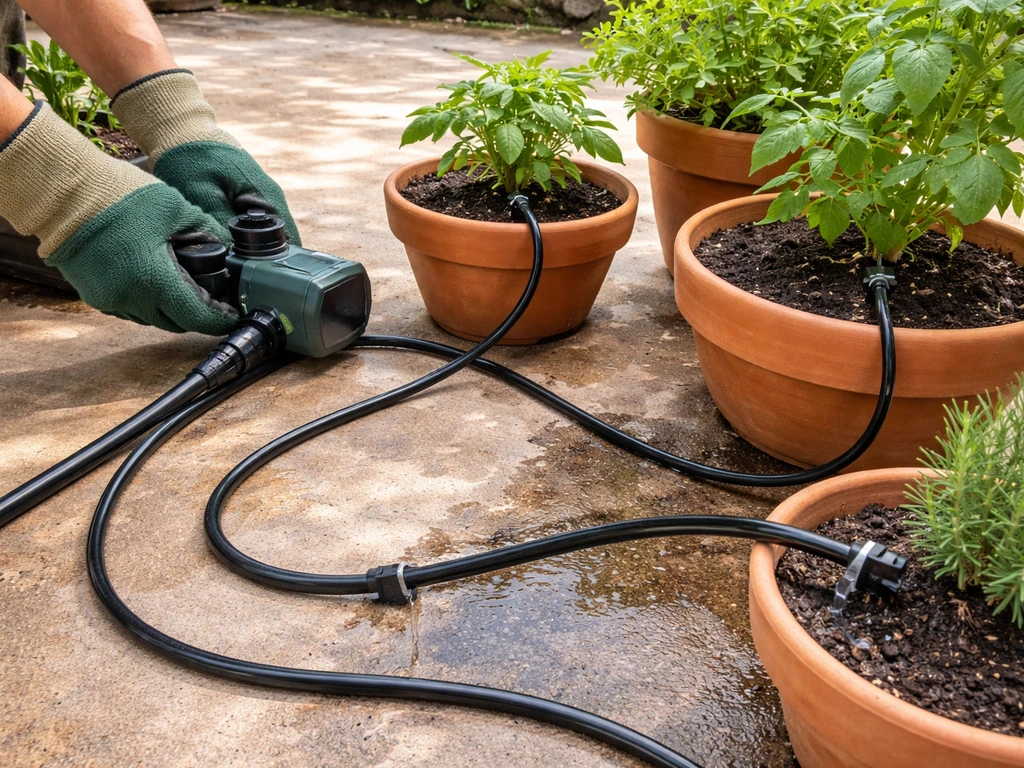
A drip irrigation setup is absolutely worth considering if you have more than six or eight containers. It saves time, reduces water waste, and keeps moisture consistent. For a patio setup, you'll run a main supply line from an outdoor tap and branch off emitter lines to each container or bed. Use drip emitters rated at 0.5 to 1 gallon per hour for most containers, and calculate run time based on your target water volume. As a rough guide, a 1 GPH emitter running for 30 minutes delivers about half a gallon, which is enough for a 3-gallon herb container but not for a large tomato planter.
Always fit a backflow preventer when connecting to a municipal water supply. This is a code requirement in most areas and protects your household water from contamination. Keep the tubing tidy against edges and walls to avoid trip hazards, and inspect it periodically for rodent or insect damage. Even with a drip system running, check soil moisture manually a few times a week, especially during heat waves, because emitters can clog or shift without being obvious.
Feeding, pruning, and seasonal maintenance
Container plants need regular feeding because nutrients leach out every time you water. Start with a slow-release granular fertilizer mixed into the potting medium at planting time, then supplement with a liquid balanced fertilizer every two to three weeks once plants are actively growing. Raised beds with good compost built in can get by with less frequent feeding, but a monthly liquid feed during the peak season keeps things productive.
Deadheading flowers (removing spent blooms) keeps flowering plants productive and tidy. For roses, cut spent flowers back to just above a five-leaflet leaf to encourage rebloom. For herbs, pinch out flower buds as they form to keep the plant producing flavorful leaves instead of going to seed. Tomatoes and peppers benefit from removing suckers (the shoots that form in the crotch between main stem and branch) to keep energy focused on fruit.
Seasonally, here's what to prioritize:
- Spring: Refresh potting mix in containers (replace at least half), start tender plants after your last frost date, install irrigation before things get busy
- Summer: Water daily in heat waves, feed every two to three weeks, harvest regularly to keep plants producing, check for pests weekly
- Fall: Cut back perennials, move frost-sensitive containers indoors or to a sheltered spot, plant cool-season crops like kale and spinach for a fall harvest
- Winter: Clean and store containers to prevent freeze-crack damage, protect any perennials left outside with bubble wrap or fleece, refresh notes on what worked and what to change next year
Pest and disease management on patios is generally easier than in a full garden because you have more control, but watch for aphids, spider mites (especially in hot, dry conditions), and slugs sheltering under pots. A strong blast of water knocks off aphids. Neem oil spray handles a wide range of soft-bodied pests without harming beneficial insects if applied in the evening. Remove any diseased foliage promptly and dispose of it in the trash, not the compost.
Safety and patio protection: weight, waterproofing, pests, and mess control
This section gets skipped by most patio gardening guides and it really shouldn't be. A poorly planned patio garden can crack pavers, rot decking, stain concrete, and in extreme cases overload a deck or elevated slab. Take this seriously before you start adding weight.
Load and weight
Wet soil is heavy. A 15-gallon container filled with saturated potting mix can weigh 70 to 80 pounds. A 4x4-foot raised bed filled 12 inches deep with wet growing media can exceed 600 pounds. If you're on a ground-level concrete or paver patio, this is generally fine. If you're on an elevated deck or balcony, check the structural load rating before adding multiple large containers or any raised beds. Most residential decks are rated for 40 to 50 pounds per square foot, but older decks may be lower. When in doubt, consult a structural engineer or contractor: it's a one-time check that can prevent a serious problem.
Protecting the surface
Constant moisture between a container or raised bed and a paved surface causes staining, moss, and surface deterioration over time. Use pot feet or small risers under every container to lift it slightly and allow air and water to circulate underneath. For raised beds, line the base with landscape fabric or a waterproof liner before filling, and ensure the bottom frame has gaps or drainage holes. On timber decks, add waterproof mats or rubber feet under any container that sits directly on the boards.
Managing runoff and mess
Every watering event sends soil particles, fertilizer residue, and organic matter onto the patio surface. This stains light-colored concrete and pavers over time and can create slippery algae patches. Use drip trays under containers and drain them regularly. Water slowly enough that the soil absorbs the water rather than channeling it straight through and out the drainage holes at full speed. A good potting mix with adequate organic matter retains water instead of shedding it, which also reduces the mess. Sweep or blow off the patio surface weekly to remove debris before it stains or creates a slip hazard.
Pest access points
Containers and raised beds on patios can attract slugs, snails, and rodents more than you'd expect. Keep the area under and around beds clear of debris. Use copper tape around the base of containers as a deterrent for slugs. Check drip irrigation tubing regularly, as rodents sometimes chew through it. If you're gardening near the house, be mindful that dense plantings close to the foundation can encourage pests to move toward the structure.
Your next steps today
Here's a practical checklist to take action now rather than plan forever: If you want faster results, use these patio building tips to plan the layout, choose the right setup, and water and protect your space correctly.
- Walk your patio and note sun exposure at three times of day, identify drainage paths, and check structural load if you're on a deck or elevated surface
- Decide your primary growing method: containers for flexibility, a small raised bed for volume, or a mix of both
- List what you want to grow and cross-check container size requirements so you buy correctly sized pots from the start
- Source a quality potting mix or make your own (coco coir, compost, perlite) and avoid any product labeled as topsoil or garden soil
- Install pot feet or risers, drip trays, and any trellis or vertical structures before filling and planting
- Set up even a basic drip line or at minimum a consistent hand-watering schedule, and fit a backflow preventer if connecting to mains water
- Plan your feeding routine: slow-release fertilizer at planting, liquid feed every two to three weeks once growing
- Schedule a weekly 10-minute patio check: moisture, pests, dead-heading, and surface cleanup
A patio garden doesn't have to be complicated. Start with a handful of containers, get the soil and watering right, and add more space and ambition once you see what works in your specific conditions. As you grow more confident in the setup, it's worth looking into common patio design mistakes to avoid, smart budgeting strategies, and ongoing maintenance habits that keep the whole space looking its best season after season.
FAQ
Can I start a garden patio how to plan in a windy or exposed spot without it failing?
Yes, but choose crops and placement carefully. In many patios, wind and sun exposure dry pots faster than expected, so use larger containers, add mulch, and favor hardy or compact varieties. For fruiting plants like tomatoes or peppers, prioritize south or west wall protection (if your climate allows) and consider a windbreak like a trellis panel, because frequent wind-driven drying can make consistent watering harder even with a drip system.
Is it okay to use compost or garden topsoil directly in my containers for a garden patio how to setup?
You generally should not, especially for edible plants. Some “soil-less” mixes and compost can contain weed seeds, but the bigger issue is that patio containers heat up and stresses roots, so contaminants and salts can show up faster. If you want to use compost, blend it into a potting mix as described, and avoid any material that looks dusty, has a strong odor, or contains visible refuse.
How do I confirm my patio garden containers have enough drainage before planting?
Check the drainage before you commit. Put a container where it will sit, fill it with the potting mix, water thoroughly, then observe for 10 to 20 minutes. If water pools or drains very slowly, the mix or container holes are not working together. Also confirm you have a real plan for runoff collection, such as drip trays on concrete or a way to route water toward an unpaved edge.
Will a patio garden how to plan work year-round if I live in a cold climate?
Yes, but the key is preventing root overheating and cold damage. For summer, use light-colored or insulated pot sleeves, keep containers in partial shade during peak heat when possible, and keep mulch on the surface. For winter, protect pots with insulation or move them to sheltered areas, because roots in containers freeze more completely than ground soil.
What pruning approach works best for a patio garden, and when should I avoid pruning?
Most container plants can handle light pruning, but you should prune based on plant type and timing. For herbs, pinch regularly to prevent legginess and remove flowering buds when flavor matters. For tomatoes, use sucker removal and keep airflow good. Avoid heavy pruning right after transplanting, and stop major pruning during heat waves so plants do not lose more leaf area than they can replace.
How do I tell if my patio garden container plants need more fertilizer or less?
Fertilizer schedules should follow growth stage, not just calendar dates. Once plants are actively producing, increase feeding frequency for fast fruiters in containers, while newly transplanted seedlings usually need less. If leaves are dark green with few flowers or fruits, reduce nitrogen-heavy feeding and switch to a more balanced or bloom-supporting fertilizer until flowering improves.
My patio gets stained, how can I fix the watering method in my garden patio how to plan?
If runoff is staining your patio, slow the watering and change how you water, not just what you water with. Water in cycles, wait a few minutes for absorption, then continue until the container drains. Ensure trays are emptied regularly, and consider placing containers on pot feet or small risers to avoid continuous contact with moisture. If water is blasting out of drainage holes, your watering rate is too high for the mix to absorb.
Do I need to zone my drip irrigation for different parts of the patio garden?
A drip system can be effective, but it needs zoning because sun exposure varies across a patio. Use separate lines or separate timers if one side dries faster, and verify emitter output by running the system and checking how much each container receives. Even with drip, keep doing soil checks because clogged emitters or shifting tubing can cause uneven moisture.
What are the most common patio pest problems in a garden patio how to setup, and how should I respond early?
Treat pests as a prevention and monitoring routine. Start with sticky traps to detect flying insects early, inspect leaves weekly (especially undersides), and keep the area around planters clear so slugs and rodents have fewer hiding spots. If you see repeated issues, adjust watering habits and airflow first, because stressed plants are more likely to host infestations.
If my patio garden is on a deck or balcony, what extra steps should I take besides checking weight?
Yes, and it affects plant performance more than people expect. If your patio is on a deck or balcony, you must account for structural load, but you also need an off-deck water management plan. Use a waterproof barrier and drainage strategy so excess water does not soak the surface, rot materials, or create a slippery walking hazard.