
A patio home in Fort Worth is essentially a single-family detached or semi-attached home on a small lot, often marketed as 'zero lot line,' 'garden home,' or 'courtyard home.' They sit close to the property line on one side, which shrinks yard maintenance to almost nothing and usually means shared common spaces or landscaping managed by an HOA. If you want low-maintenance living, no large lawn to mow, and a real home you own outright (not a condo), a patio home hits a sweet spot. Fort Worth has a solid supply of them, particularly in the north and southwest corridors, and prices range from the low $200s to well above $500k depending on the neighborhood and finishes.
Patio Homes Fort Worth Texas: Buyer Guide and Listings

Miles Sutton
28 Jun 2026

What patio homes actually are (and what they aren't)
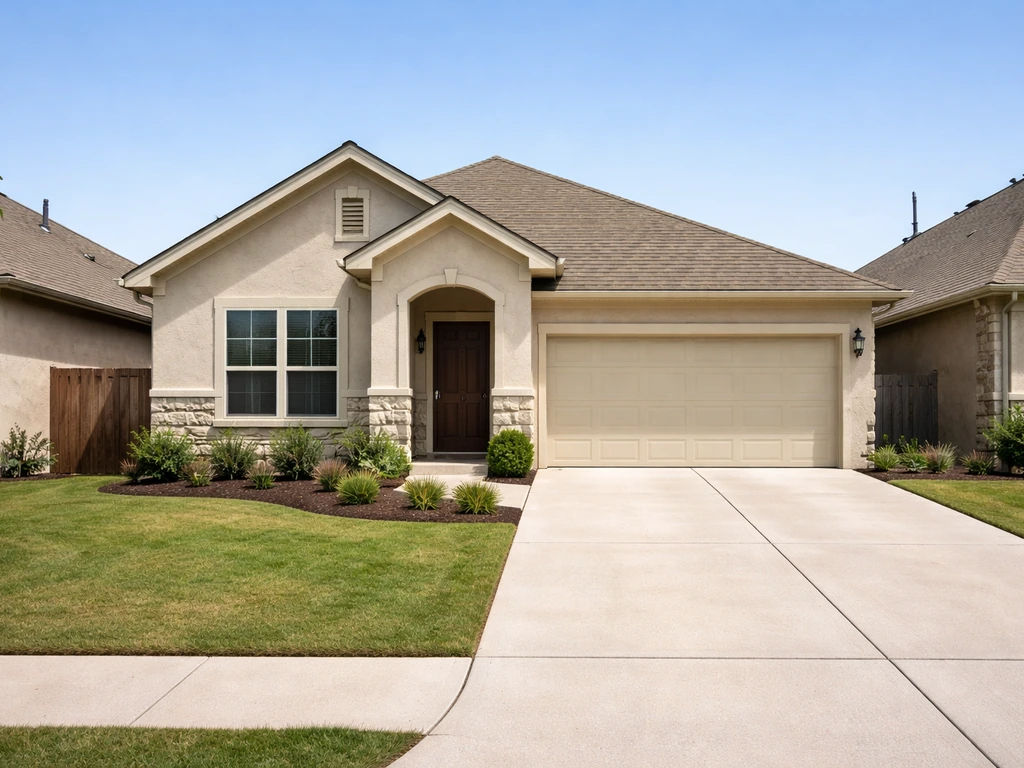
The term 'patio home' does not have a single legal definition in Texas. In practice it is a marketing label, and sellers and agents use it to mean slightly different things. You will see the same properties listed as patio homes, garden homes, courtyard homes, cluster homes, or zero lot line homes depending on who wrote the listing. That overlap is worth knowing before you start your search, because filtering by only one of those terms will cause you to miss listings.
The core characteristic is lot placement: the home is built to or very near one side property line, leaving almost no side yard on that side. Some patio homes share a wall with a neighbor (making them easy to confuse with townhomes), while others are fully detached but just extremely close to the lot line. American Family Insurance describes patio homes as often zero-lot-line homes and notes that some share a wall between units, which can make them easy to confuse with townhomes or condos. The main practical differences from a standard single-family home are the small lot footprint, a shared or private patio/courtyard in front or back, and usually an HOA that handles exterior landscaping and common areas. Unlike a condo, you typically own the land under the home, which affects financing, insurance, and resale.
Who fits the patio home lifestyle well: retirees or empty nesters who want to downsize without moving into an apartment, remote workers who want a full house without weekend yard work, and buyers priced out of larger lots in desirable Fort Worth neighborhoods. They are not a great fit if you need space for a large workshop, a big garden, multiple vehicles, or pets that need a sprawling yard.
Where to find patio home listings in Fort Worth
Start with the major portals: Zillow, Redfin, and Realtor.com. All three let you filter by home type, but none of them have a dedicated 'patio home' category. The practical workaround is to search for 'patio home,' 'garden home,' and 'zero lot line' as keyword terms in the listing description field. On Redfin, use the 'Keywords' filter under 'More Filters.' On Zillow, search the term directly in the search bar alongside the city. This surfaces listings that agents tagged correctly in the description even when the home type dropdown doesn't match.
The MLS-backed search through a local Fort Worth Realtor is often the most complete. Many patio home communities in Fort Worth are in established HOA neighborhoods where the listing agent knows the inventory well. Ask a buyer's agent to set up an automated search alert with 'patio home OR garden home OR zero lot line' in the keyword field for Tarrant County. That way you get new listings the day they hit, not 24 to 48 hours later when the portals update.
Fort Worth areas where patio homes cluster include north Fort Worth near Keller and Haslet, southwest Fort Worth near Benbrook, and established master-planned communities in far west and far north Tarrant County. The near-southside and TCU-area neighborhoods also have older zero lot line properties worth checking. If you are open to nearby cities, Burleson, Weatherford, and North Richland Hills also have active patio home inventory that gets missed when buyers search only within the Fort Worth city limits.
How to narrow your search criteria
- Filter lot size to under 5,000 sq ft to surface likely zero lot line properties (most Fort Worth patio homes sit on 2,500 to 4,500 sq ft lots)
- Add 'HOA' or 'community' keywords if you want a maintained exterior, or exclude HOA in filters if you prefer no dues
- Filter for single-story if mobility or aging-in-place matters to you (most Fort Worth patio homes are one story, but two-story versions exist)
- Check the 'garage' filter carefully: many patio homes use attached two-car garages as the primary street-facing feature, which can affect natural light and curb appeal
- Set a square footage minimum of around 1,200 sq ft to filter out true condos and very small attached units that get mislabeled as patio homes
Patio home pricing in Fort Worth and what drives it
As of mid-2026, entry-level patio homes in Fort Worth's outer suburbs run from roughly $215,000 to $280,000 for 1,200 to 1,500 sq ft with basic finishes. The mid-range sits between $300,000 and $420,000 for updated or newer builds with 1,500 to 2,000 sq ft. Luxury patio homes in premium neighborhoods or with high-end custom finishes push past $500,000. These ranges move based on the same drivers as any Fort Worth real estate: location, age of the home, recent updates, and school district. But patio homes have some extra pricing factors.
| Factor | How it affects price | What to check |
|---|---|---|
| HOA dues and services | Higher dues often signal more included maintenance (exterior, landscaping, insurance), which raises perceived value but also carrying costs | Ask exactly what the monthly dues cover before comparing prices |
| Lot orientation and patio privacy | A south-facing or screened courtyard adds livability and resale value | Visit in person to assess sun exposure and neighbor sight lines |
| Age and construction type | 1990s and early 2000s patio homes may have deferred maintenance on HVAC, roofing, and windows | Request disclosure of age of major systems |
| Attached vs. detached unit | Shared-wall patio homes are typically priced lower but carry noise and shared-wall maintenance risk | Confirm whether walls are party walls and who owns/repairs them |
| Community amenities | Pools, walking trails, and gated entry push prices up and reduce monthly outdoor maintenance costs for buyers | Compare dues-to-amenity value against standalone HOA-free options |
One thing buyers often underestimate is the true carrying cost of HOA dues over time. A patio home at $320,000 with $300/month in dues is effectively more expensive over five years than a $340,000 home with $100/month in dues. Run those numbers with your agent before fixating on list price alone.
Neighborhood and lot details that matter most
HOA rules and what they actually restrict
Most Fort Worth patio home communities are governed by a residential property owners' association under Texas Property Code Chapter 209, and you are entitled to a disclosure package under Chapter 207 before closing. Under Texas Property Code Section 207.003, the association must deliver the subdivision information and resale certificate within 10 business days of a verified written request. That resale certificate must be prepared no earlier than 60 days before delivery, and it must include current assessments, special assessments, reserve fund status, the operating budget, an insurance certificate, and any violations or notices the board has actual knowledge of. Request this document early in your contract period, not as an afterthought.
Common HOA restrictions in Fort Worth patio home communities: limits on exterior paint colors, fence styles, and materials; parking rules that restrict street parking or boat/RV storage; rental restrictions that cap how many units in the community can be rented at once; and pet size or breed limits. Some communities also restrict the type of window treatments visible from outside, holiday lighting duration, and front-entry modifications. None of these are dealbreakers on their own, but know what you are signing up for.
Setbacks, shared spaces, and lot lines
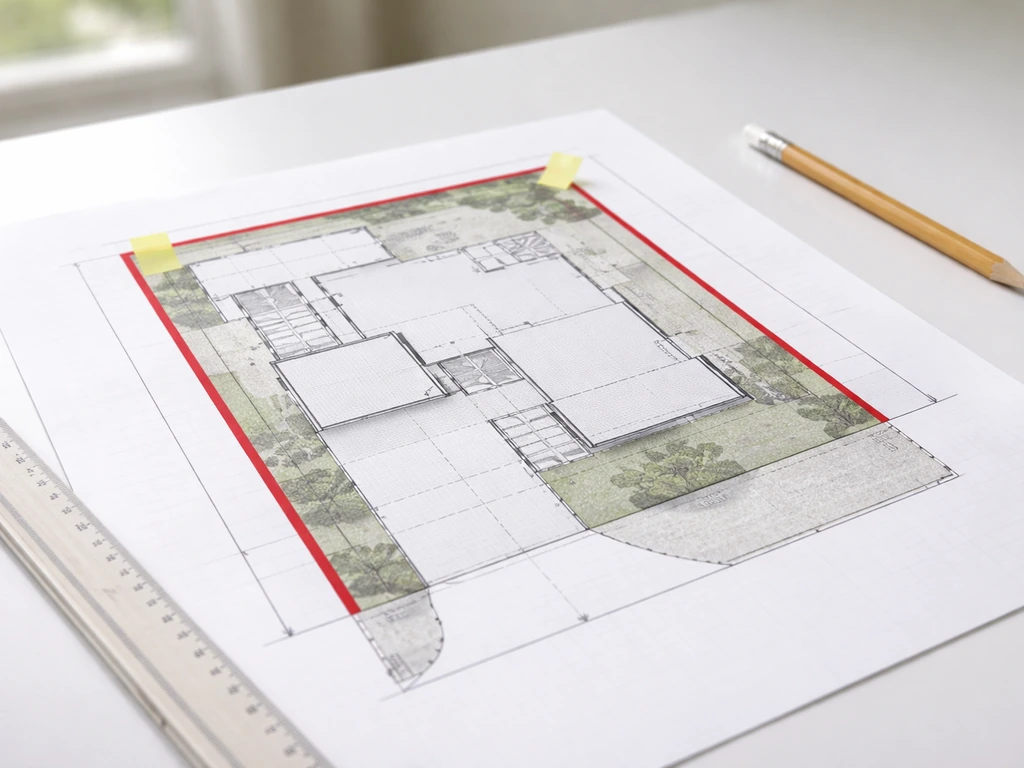
Zero lot line homes place one wall at or very near the side property line, which means your neighbor's home may be within inches of yours on that side. If you need patio resurfacing in Fort Worth, look for a contractor that can match the existing surface and document prep, materials, and drainage considerations Zero lot line homes place one wall at or very near the side property line. The other side typically has a slightly wider easement (often 3 to 5 feet) to allow drainage and maintenance access. That maintenance easement is important: it means your neighbor has a legal right to access that strip for upkeep, and you need to keep it clear. Ask the seller or listing agent to pull the plat and confirm exactly where the lot lines fall and whether any drainage or utility easements run through the property.
Utilities and drainage
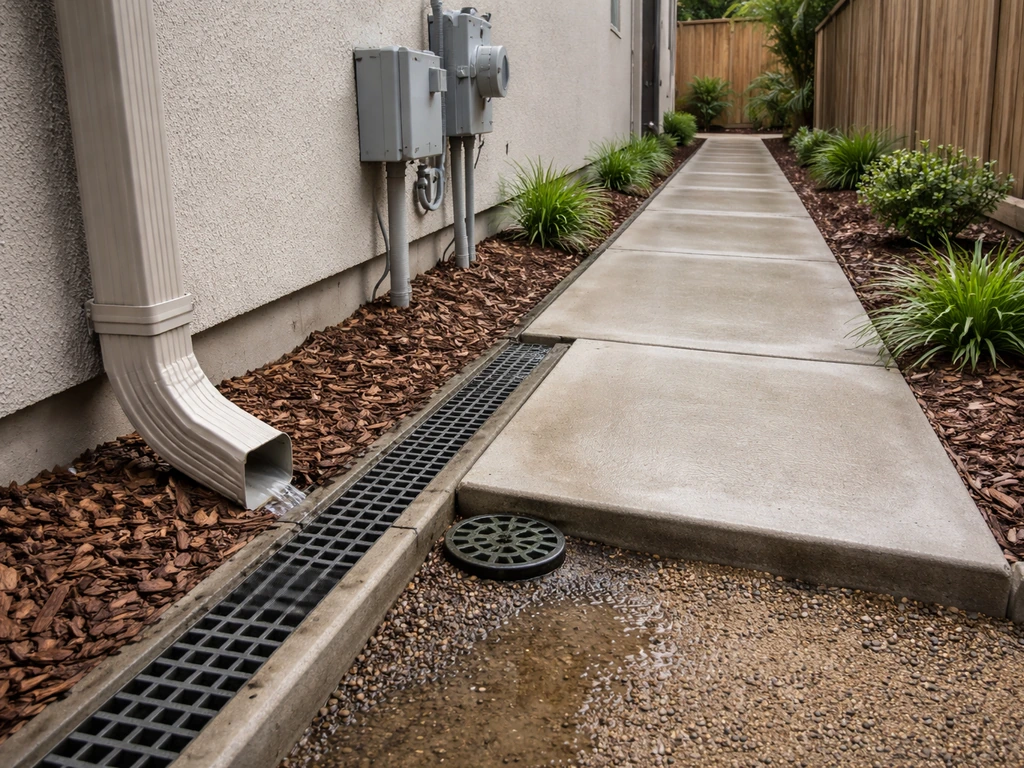
Drainage is one of the most commonly overlooked issues in patio home purchases in North Texas. Small lots with close neighbor placement can channel stormwater toward your home if the grading is wrong or if a neighboring property was modified. Fort Worth gets serious rain events, and a flat or slightly inverted lot grade can mean water intrusion at the foundation or slab. Walk the lot and adjacent common areas after a rain if you can, or ask your inspector specifically to evaluate grading and drainage relative to neighboring structures.
For utilities, confirm which are individually metered and which are shared or sub-metered through the HOA. Some older patio home communities share water lines or have master-metered water with HOA billing, which complicates usage tracking and adds a layer between you and the utility provider. Fort Worth City Water serves most of the city proper, but communities in unincorporated Tarrant County or near the ETJ may use municipal utility districts with separate billing structures.
Step-by-step buying checklist for patio homes in Fort Worth

- Get pre-approved for a mortgage and confirm your lender's comfort with zero lot line or HOA-governed properties (some loan products have additional requirements for HOA-governed homes, especially FHA and VA loans)
- Set up keyword-based listing alerts on Redfin, Zillow, and through a local buyer's agent using 'patio home,' 'garden home,' and 'zero lot line' in Tarrant County
- Tour a minimum of three to five patio homes in person before making an offer, paying attention to noise from shared walls, natural light, parking, and the condition of common areas
- When you find a strong candidate, verify the lot plat and confirm lot lines, easements, and any recorded restrictions through Tarrant County Appraisal District (TCAD) and the county clerk's records
- Submit your offer with a standard Texas residential sales contract; include an HOA addendum if applicable and a reasonable option period (10 to 14 days is typical in the current Fort Worth market)
- Submit a written request to the HOA or management company for the Chapter 207 disclosure package and resale certificate immediately after contract execution, not at the end of your option period
- Hire a licensed Texas home inspector with specific experience in attached or zero lot line homes; ask them to prioritize drainage, shared wall condition, roof-to-wall transitions, and slab integrity
- Review the resale certificate line by line: check the reserve fund balance (a healthy HOA has at least 25 to 30 percent of its annual budget in reserves), look for any open violations on the property, and verify current assessment amounts match what the listing agent quoted
- Check if the HOA management certificate has been filed with hoa.texas.gov as required, which gives you a reliable record of the association's registered agent and management contact information
- Finalize your homeowner's insurance policy before closing, noting whether the HOA master policy covers the exterior and what your individual dwelling coverage needs to include
- Schedule your final walkthrough within 24 hours of closing to confirm no new damage and that any agreed repairs are complete
- Plan your move-in date with the HOA's move-in rules in mind (many patio home communities restrict moving hours, require elevator or loading dock reservations if applicable, and charge move-in fees)
Due diligence: red flags buyers miss
The biggest mistake patio home buyers in Fort Worth make is treating the HOA disclosure as a formality. The resale certificate will tell you if the association is financially healthy or in trouble. An HOA with thin reserves and rising assessments is a financial risk, especially in an older patio home community where roofs, shared fences, and common area irrigation systems are approaching end of life. If reserves are below 15 percent of annual budget, expect a special assessment at some point.
Shared wall condition is underinspected. A standard home inspection touches the wall interior, but you want to know about soundproofing, any prior water intrusion along the shared wall, and whether there is an expansion joint or proper flashing at the roof-to-wall connection. Leaks along a shared party wall can be expensive and contentious to resolve since maintenance responsibility can be ambiguous in older communities.
Exterior maintenance responsibility is another gray area. Redfin and insurance industry sources both note that in a patio home community, the homeowner may be responsible for exterior maintenance unless the HOA documents explicitly take it on. Read the CC&Rs carefully and ask directly: who is responsible for the roof, the exterior paint, the fence, and the driveway? If you are planning fort worth patio construction, pay special attention to HOA rules, drainage, and setbacks before finalizing the layout. If the answer is 'the homeowner' for most of those items, your maintenance costs will be higher than you might expect from a low-maintenance-sounding lifestyle.
- Slab cracks near the zero lot line side of the home (soil movement is common in Tarrant County clay soils and tight spacing limits remediation options)
- Lack of a dedicated garage or parking for guests (many patio home communities have strict parking enforcement and limited visitor spots)
- Outdated HVAC in a community where replacement requires HOA approval for exterior equipment placement or sound ratings
- Missing or expired termite treatment records (wood-framed patio homes with soil-to-wood contact near the lot line are at higher risk in North Texas)
- Inconsistently maintained neighboring units in an HOA community (signals weak enforcement and possible declining property values)
- Short-term rental activity in the community that may violate HOA rules and create noise or security concerns for long-term residents
Your next steps after finding a listing
If you found a patio home listing in Fort Worth that looks right, the first move today is to schedule an in-person tour, not just a virtual one. A patio builder in Fort Worth, TX can help you plan your outdoor space and understand local layout options before you commit patio home listing in Fort Worth. Patio homes are highly dependent on how they feel in person: the sense of privacy, the noise level from neighbors, the size of the actual outdoor space, and the natural light inside. Photos routinely overstate all of those things.
Before the tour, pull the property on TCAD at tcad.org and verify the legal description, lot size, and any exemptions currently on file. This takes five minutes and will give you the raw lot dimensions and year built before you walk in. If the listing says 'patio home' but the lot is 8,000 sq ft, you are probably looking at a marketing label on a standard home, which changes the conversation entirely.
At the tour, bring these questions for the seller's agent: What does the HOA monthly fee cover exactly? If you are comparing options, get quotes for patio awnings in Fort Worth to improve shade and comfort on your patio or courtyard HOA monthly fee. When was the roof last replaced and who paid for it? Has there ever been a special assessment in the community and what was it for? Are there any pending HOA rule changes or litigation? What is the current reserve fund balance? If the agent does not know the answers off the top of their head, that is fine, but they should be willing to get them to you in writing before you make an offer.
Once you are under contract, your option period is your safety net. Use every day of it. Order your inspection in the first 48 hours, request the Chapter 207 HOA disclosure package the same day you execute the contract, and review the resale certificate before your option period ends so you can renegotiate or walk away if the financials look wrong. Do not let the option period expire while waiting on HOA documents. That is the most common and most costly timing mistake in patio home purchases. If you are comparing custom patio options in Fort Worth, use the HOA rules and lot specifics to make sure the design will be approved before you commit.
For the physical space itself, patio homes benefit enormously from thoughtful outdoor design on whatever lot area you do have. A well-designed covered patio, pergola, or enclosure turns a small courtyard into genuinely usable living space. If you are thinking about what you can do with the outdoor square footage once you move in, the options for covered structures, screening, and outdoor living upgrades are worth planning before you close so you can budget accordingly and confirm any HOA approval requirements upfront. Custom patios, enclosures, and awnings are popular upgrades in Fort Worth patio home communities and can dramatically change how the home feels day to day.
FAQ
Are patio homes in Fort Worth ever actually condos, or will I always own the land?
Most patio homes are structured as detached or semi-attached single-family homes where you typically own the lot and the dwelling, not a unit in a condominium. However, some properties marketed as patio homes can still be part of a condo-style regime, or they can use an HOA with additional common elements. Before you tour again, confirm the ownership structure on the legal description from TCAD and check whether you are buying “a lot” or “an undivided interest in a unit.”
What should I ask about shared walls to avoid surprise repair costs?
Ask whether the shared wall is a party wall, what the HOA documents say about maintenance responsibility, and whether there are any recorded plumbing or water-intrusion incidents near that wall. Also request past disclosure items, seller repair history, and whether there is a known issue with flashing or roof-to-wall connections. This is especially important in older communities where responsibility can be unclear.
How do I verify exactly where I can and cannot build or modify outside?
Request the HOA’s Architectural Guidelines (or any “rules and regulations” section that covers exterior changes), then map the setback and easement areas on the plat. Specifically ask about permitted patio enclosures, fencing height, awnings/pergolas, and whether additions require prior written approval. Many “minor” upgrades still require a form submission and a board decision window.
Can I park multiple cars, a truck, or an RV at a patio home?
Usually you can park normal passenger vehicles, but HOA parking rules often limit street parking, prohibit RV or boat storage, and may restrict where pickup trucks can be staged. Ask for the exact wording on overnight parking, driveway limits (like how many spaces you must maintain), and whether violations trigger fines quickly. Getting the rules in writing prevents assumptions based on what neighbors do.
What does “maintenance easement” mean for my day-to-day use and landscaping?
A maintenance easement is a strip where the HOA or neighbor has legal access to do upkeep (often drainage-related). You may still be allowed to landscape within it, but you usually cannot block access with structures, permanent fencing, or anything that interferes with maintenance. Ask for the easement boundaries on the plat and confirm what is allowed, especially for drainage swales and sprinkler systems.
How can I tell if drainage problems are present even if the home looks fine?
Look for grading patterns, standing water after rain, damp spots along slab edges, water staining near exterior wall transitions, and whether downspouts discharge toward or away from your foundation. If possible, ask your agent to coordinate a walkthrough shortly after a heavy rain or review any inspection photos the seller previously received. Also make sure your inspector evaluates grading relative to neighboring lots, not just the property in isolation.
Are patio home utilities sometimes hard to budget because water or other services are shared?
Yes. Some communities use master-metered water with HOA billing, which can blur individual usage tracking and make your bill vary based on overall community consumption. Ask whether water, sewer, trash, and irrigation are individually metered or HOA-billed, and request average HOA utility charges if applicable. This helps you avoid a “cheap HOA” surprise that turns into higher monthly costs.
What documents should I request beyond the standard HOA resale certificate?
In addition to the resale certificate, request the HOA budget and reserve study (if available), the most recent meeting minutes for any major upcoming projects, and copies of current CC&Rs and architectural rules. If you see any open violations listed, ask for documentation and the association’s timeline for resolution. This set of documents is often where you learn about near-term assessments and rule enforcement patterns.
What reserve level is considered risky, and when should it change my offer strategy?
A common red flag is reserves that are too low relative to the annual budget, since roofs, exterior painting, and common-area irrigation eventually require big payouts. Rather than relying on a single threshold, ask the agent to explain the reserve target and the next 3 to 5 year planned expenses, then compare that to current reserve balances and any prior special assessments. If major items are approaching with inadequate reserves, you may negotiate repairs, credits, or a different purchase price.
How do I handle patio home closings if I find issues late in the option period?
Use the option period as a decision tool, not just a waiting window. Order inspections immediately, request the HOA package early, and schedule time to review disclosures before deadlines end. If HOA documents raise new issues (like unbudgeted assessments, violation status, or major planned projects), negotiate or terminate within the option period rather than trying to solve it after closing.