
If you're searching for custom patios in Fort Worth, here's what you actually need to know: a custom patio in this city means more than just pouring concrete. It means choosing materials that hold up against 100-degree summers, planning drainage that doesn't push water toward your foundation, potentially pulling a permit (yes, even for a slab), and finding a contractor who knows Fort Worth's quirks. This guide walks you through every step, from your first sketch to your first backyard dinner. A patio home in Fort Worth, Texas is designed to match the way you live, so planning layout, drainage, and permits from the start helps you avoid costly issues later patio homes fort worth texas.
Custom Patios Fort Worth: Plan, Size, Materials, Cost

Miles Sutton
30 Jun 2026
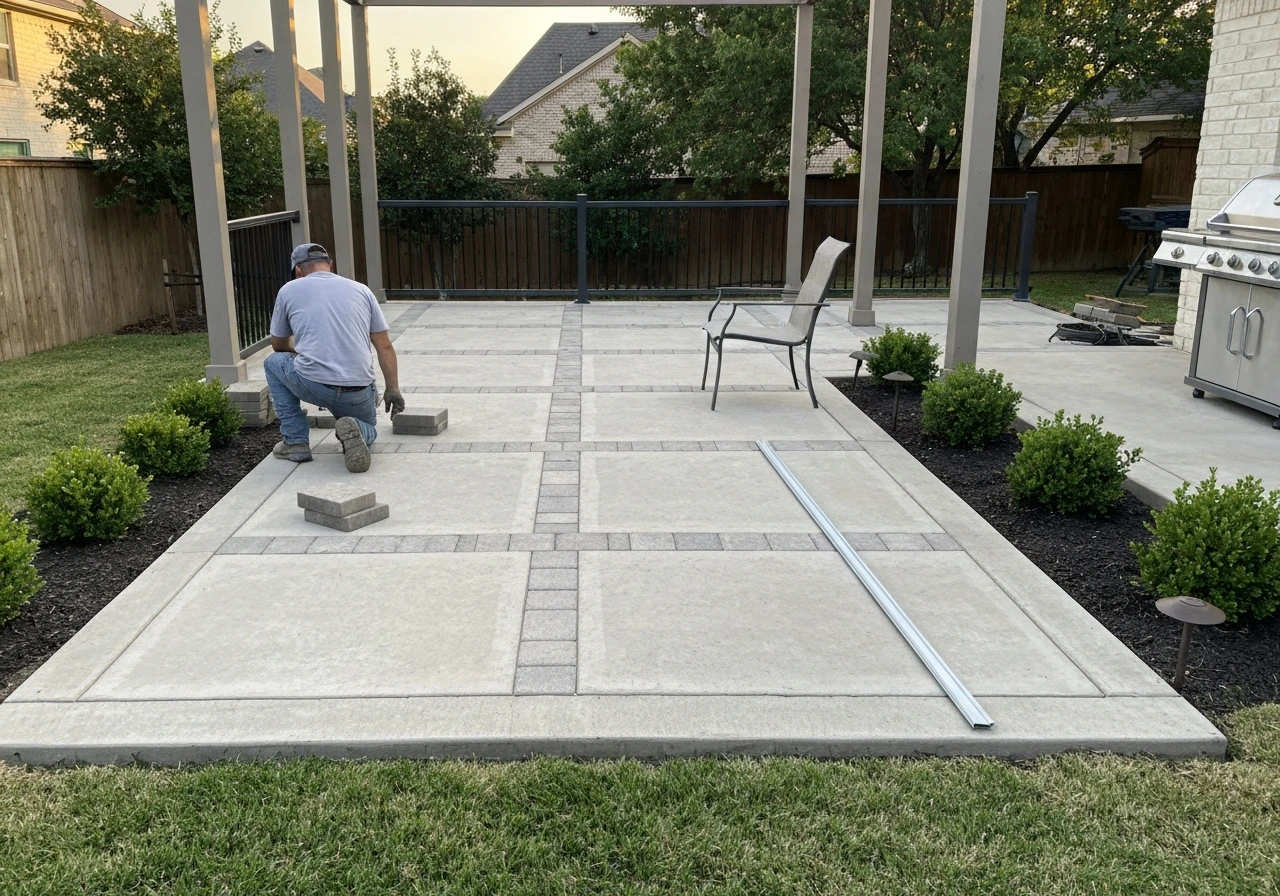
What 'custom patio' really means for Fort Worth homeowners
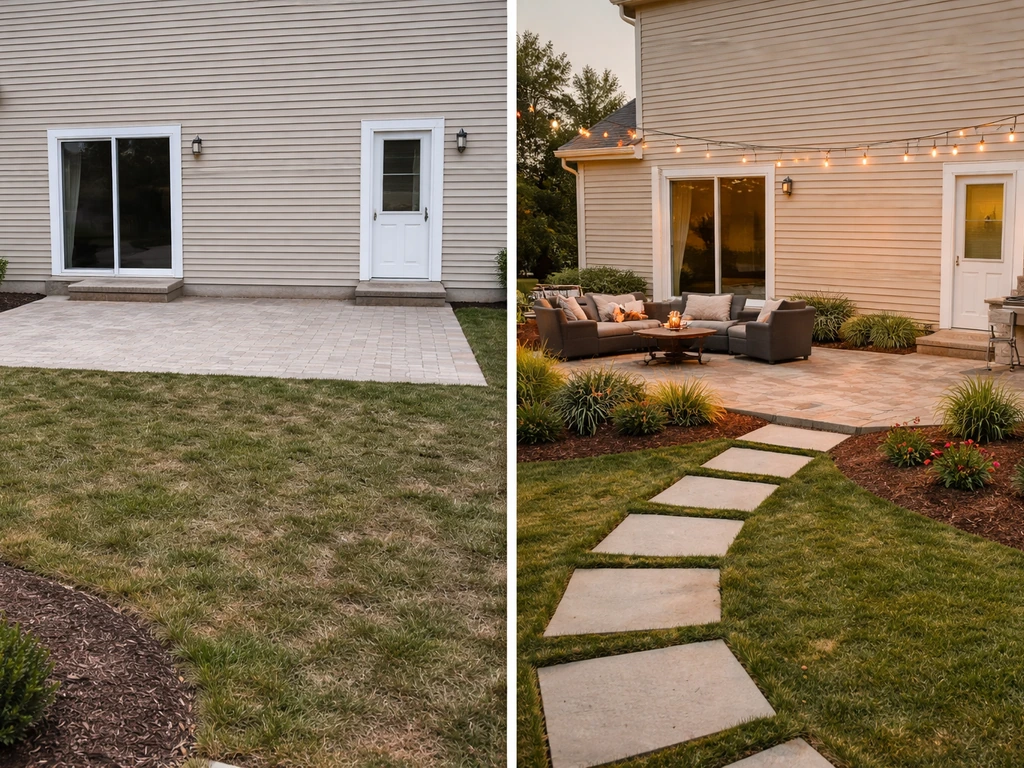
A custom patio is built specifically for your yard, your lifestyle, and your budget, not pulled from a catalog. In Fort Worth, that distinction matters more than it might in other cities. The clay-heavy soil (expansive black-land prairie soil is common here) moves seasonally, which means generic base prep fails faster. The heat bakes surfaces hard, fades cheaper materials quickly, and demands shade integration if you want to actually use the space. And neighborhoods vary wildly, from older Fairmount bungalows to newer TCU-area developments to sprawling lots in Aledo, each with different setback rules, HOA covenants, and yard shapes.
Custom also means add-ons. Many Fort Worth homeowners want more than a bare slab. They want a patio cover, an outdoor fireplace, a kitchen, or a full enclosure. Each of those additions changes the project scope.
A patio cover or pergola, an outdoor fireplace, a fountain with plumbing, or a retaining wall tied to the patio all qualify as accessory structures under Fort Worth's municipal code, which means they require a building permit before work starts. Accessory structures like patio covers or pergolas are treated under Fort Worth’s municipal code for residential lots, and the code’s standards and limits can affect what is allowed and where it can be placed.
That's not a scare tactic; it's just how the city works, and a good contractor will tell you the same.
Choosing the right patio style and layout for your yard
Before you pick a material or call a contractor, spend time thinking about how you actually want to use the space. A family of five who grills three nights a week needs something different from a couple who wants a quiet morning coffee spot. Style and function should drive layout, not the other way around.
Common patio styles that work well in Fort Worth
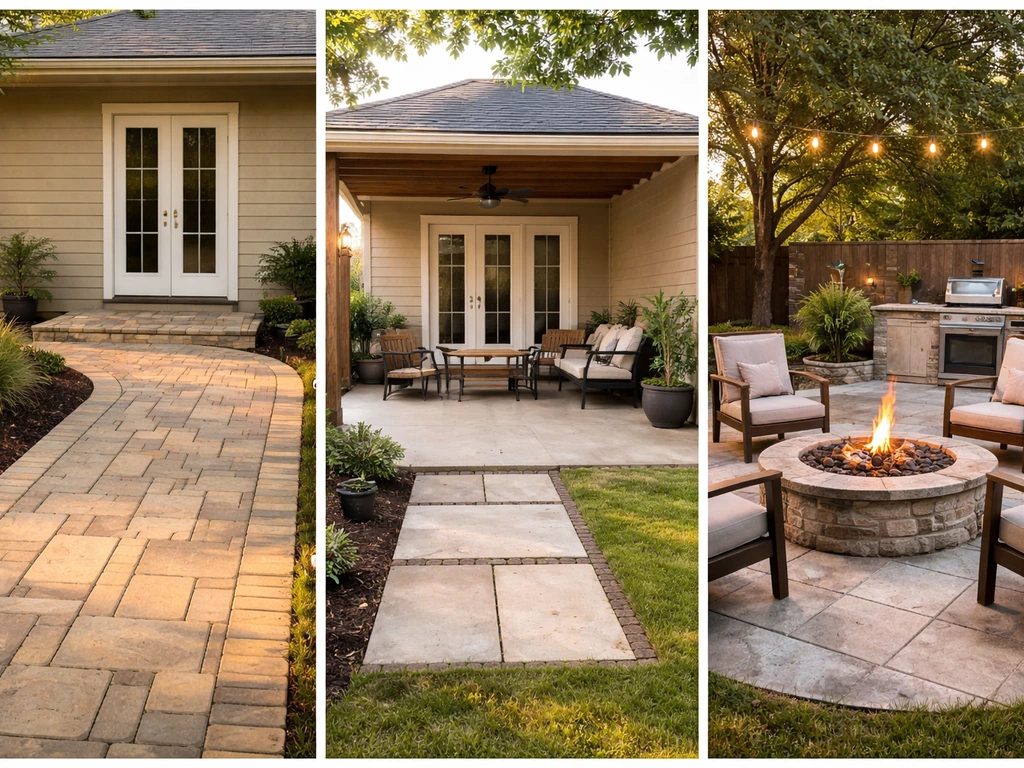
- Covered patio slab: A concrete or paver surface with an attached or freestanding roof structure. This is the most popular upgrade in Fort Worth because shade is non-negotiable from May through September.
- Open patio with pergola: Gives partial shade and a defined outdoor room feel without fully enclosing the space. Works well for smaller yards.
- Multi-level patio: Great for sloped lots, which are more common in the western parts of Fort Worth. Levels can separate cooking, dining, and lounging zones.
- Wraparound or L-shaped patio: Connects a back door to a side gate or follows the footprint of the house, making the whole back of the home more functional.
- Enclosed patio or screen room: Keeps out insects and extends the usable season into spring and fall. Requires permits and additional structural planning. This overlaps with patio enclosures, which is its own project category worth researching separately.
For layout, think about door placement first. The patio should connect naturally to how you exit and enter the house. Then consider sun orientation: a west-facing patio in Fort Worth gets brutal afternoon sun, so you'll need a cover, shade sail, or strategic tree placement. If you want extra shade without fully enclosing the patio, patio awnings in Fort Worth can be a practical upgrade to improve comfort year-round. Finally, think about what you're looking at when you sit outside. Fencing, neighbor sightlines, and yard depth all affect whether the space feels private and relaxing or exposed.
Sizing, layout planning, and site prep
Size is where most homeowners underestimate. A 10x10 patio feels cramped the moment you add a table, four chairs, and a grill. For a basic dining setup, 12x16 feet is a realistic minimum. If you want to add a seating area alongside dining, budget for at least 16x20 feet or split zones across a multi-level design. For reference, furniture layout drives sizing more than square footage: measure your actual outdoor furniture (or the furniture you plan to buy) and lay it out on graph paper or a free app like Roomstyler before finalizing dimensions.
Drainage and base prep: the part most homeowners skip
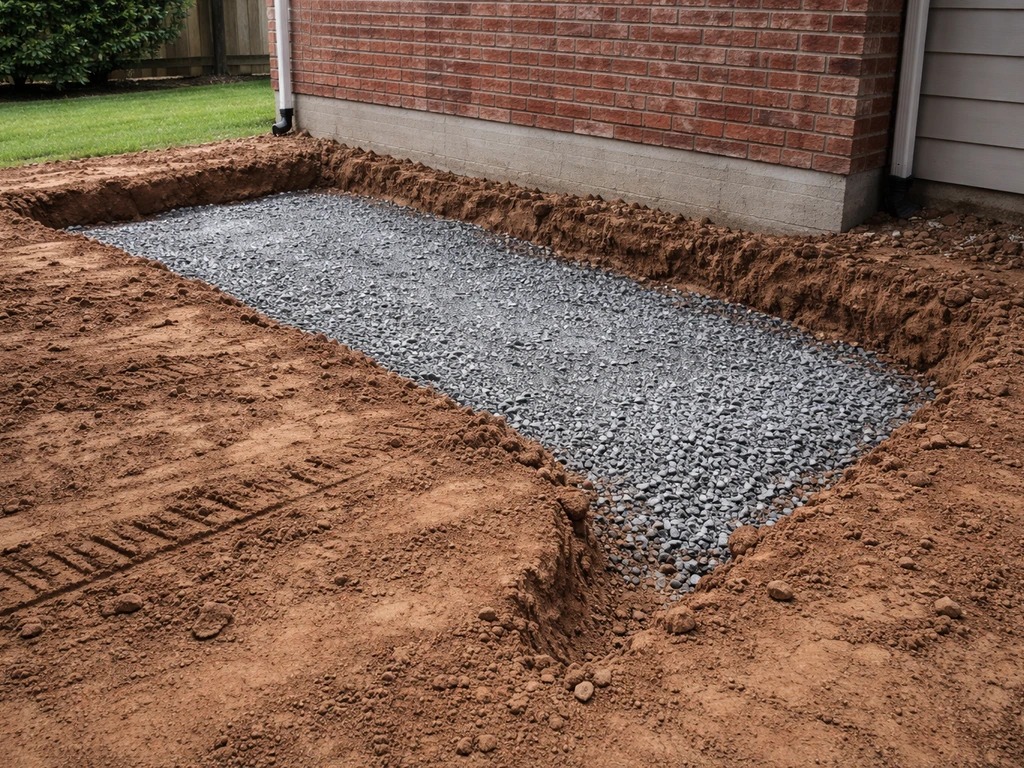
Fort Worth's clay soil doesn't drain well, and this is where patio projects go wrong. One of the most common reasons patios fail city inspection here is drainage being directed toward the foundation rather than away from it. That's also how you end up with foundation repair bills a few years after the patio is done. The ground under your patio needs to slope away from the house at a minimum of 1 inch per 8 feet (ideally more). If your yard is flat or pitched toward the house, the contractor needs to regrade before laying any base material.
Underneath any hard surface, you need a compacted base. For concrete patios, that typically means 4 inches of compacted gravel sub-base on top of native soil, with the clay properly compacted and sometimes stabilized first. For pavers, you add a layer of sand bedding on top of the gravel. Skipping or thinning the base to save money is the most common cost-cutting mistake, and it shows up as cracked, uneven, or heaving surfaces within two or three years. Fort Worth's soil movement makes this especially critical compared to cities with sandier soil. Always ask your contractor specifically about sub-base depth and compaction specs.
Also check your patio's position against your site plan before work begins. Fort Worth permit inspectors have flagged patio projects where the finished structure didn't match the approved site plan, which can mean tearing out work and starting over. If you're in an HOA, get written approval before breaking ground, not after.
Material selection for Fort Worth weather and longevity
Fort Worth averages around 34 inches of rain per year with intense summer heat, occasional ice storms in winter, and soil that expands and contracts with moisture changes. Not every patio material handles all of that equally well. Here's an honest comparison.
| Material | Durability in Fort Worth | Heat / Comfort | Maintenance | Approx. Installed Cost (per sq ft) | Best For |
|---|---|---|---|---|---|
| Poured concrete | Good if sealed; cracks possible with clay soil movement | Gets hot, but can be textured/stamped | Seal every 2-3 years; patch cracks | $8–$18 | Budget builds, large areas, clean modern looks |
| Concrete pavers | Excellent; individual units flex with soil movement | Moderate; lighter colors stay cooler | Re-level settled pavers; seal periodically | $15–$30 | Most Fort Worth yards; best balance of cost and durability |
| Flagstone / natural stone | Very durable; irregular shapes can shift on clay | Holds heat but looks great | Re-mortar or re-sand joints over time | $20–$40+ | Rustic/organic aesthetics, partial shade areas |
| Brick pavers | Classic durability; proven in Texas heat | Similar to concrete pavers | Periodic re-sanding of joints | $18–$35 | Traditional homes, older Fort Worth neighborhoods |
| Stamped concrete | Decorative concrete; same base risks as plain | Pattern/texture helps but still hot | Seal more frequently than plain concrete | $12–$22 | Homeowners wanting stone look at lower cost |
| Permeable pavers | Good; allows drainage through surface | Cooler due to air gaps | Occasional joint refilling | $20–$35 | Drainage-challenged yards, eco-conscious builds |
My honest recommendation for most Fort Worth yards: concrete pavers are the sweet spot. Patio do tijolo is a popular option because it pairs classic materials with the durability you need in Fort Worth’s climate. They handle soil movement better than a solid slab, individual units can be replaced if one cracks or shifts, and they come in enough styles to match any home aesthetic. Flagstone looks stunning but requires more maintenance and a more experienced installer to do well. Plain poured concrete is fine if you're on a tight budget and commit to proper base prep and sealing, but stamped concrete in particular can look worn quickly in full sun without consistent sealing.
Cost, budget ranges, and how to compare quotes
A basic poured concrete patio in Fort Worth (no cover, no frills, solid base prep) runs roughly $8 to $18 per square foot installed. A 16x20 foot patio at the midpoint of that range is about $4,200 to $5,800. Add a wood or aluminum patio cover and you're looking at another $4,000 to $12,000 depending on materials and span. A complete outdoor living space with pavers, a cover, an outdoor kitchen rough-in, and lighting can easily run $25,000 to $60,000 or more. Those ranges are wide because material choices, site conditions, and contractor overhead vary significantly.
What to look for when comparing quotes
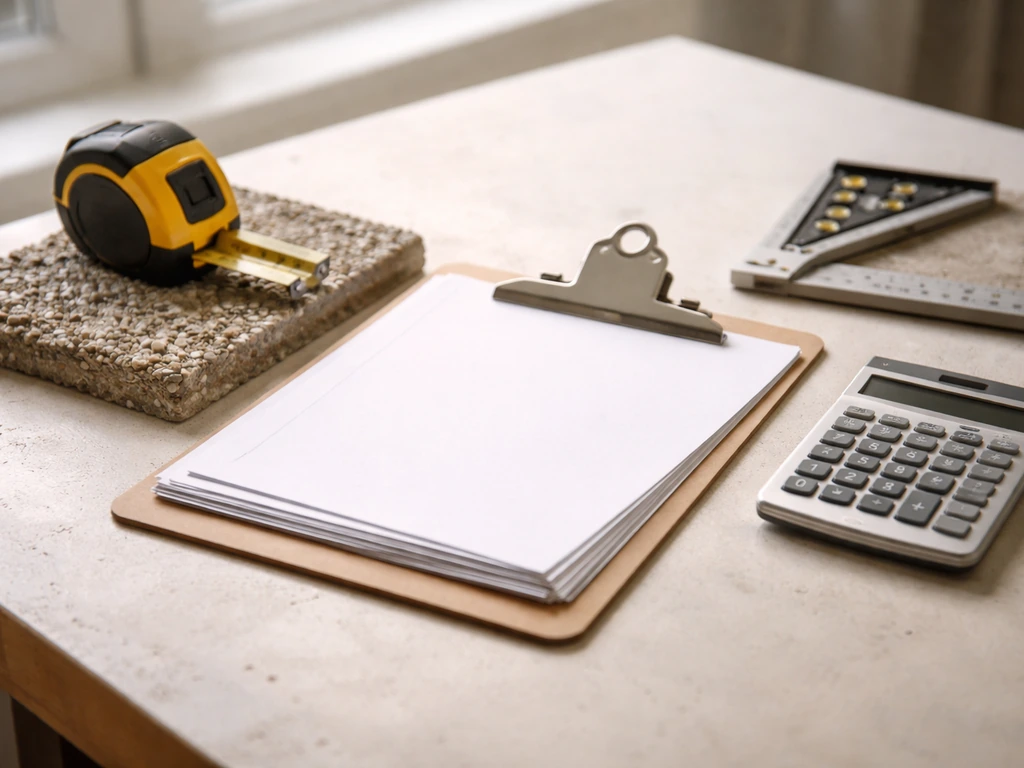
Never compare patio quotes on total price alone. A quote that comes in $3,000 cheaper might be skipping sub-base depth, using thinner concrete, or excluding permit fees. When you get quotes, use this checklist to make sure you're comparing the same scope:
- Is the sub-base depth specified? (minimum 4 inches compacted gravel for most Fort Worth applications)
- What is the concrete thickness or paver thickness listed? (3.5 inches for concrete slabs, 2.375-inch pavers minimum for pedestrian use)
- Does the quote include grading and drainage work, or is that an add-on?
- Are permit fees and permit-pulling included, or is that your responsibility?
- Is demolition of existing concrete or landscaping included if needed?
- What is the payment schedule? (avoid paying more than 10-15% upfront before work starts)
- Does the quote include a written warranty on labor and materials, and for how long?
- Is HOA documentation or submission included if your neighborhood requires it?
- Are cleanup and material haul-off included in the price?
Get at least three quotes. The middle quote is usually most reliable as a benchmark. If one quote is dramatically lower than the others, ask exactly where they're cutting costs. Sometimes it's legitimate efficiency; more often it's a thinner base or skipped steps that cost you more in repairs later.
DIY vs. hiring a pro: what to delegate and what you can handle
Some parts of a custom patio project are genuinely DIY-friendly, and some aren't. Being honest about this saves you time, money, and headaches.
What you can reasonably DIY
- Design planning and measurements: Sketching your layout, measuring your yard, and planning furniture placement are all things you can do thoroughly before talking to any contractor.
- Material research and selection: Visiting stone yards, comparing paver samples, and pricing materials gives you leverage when negotiating with contractors.
- Simple paver patios on flat ground: If your yard is level, well-drained, and you're installing a straightforward rectangular paver patio under about 200 square feet, an experienced DIYer can do this. Expect to rent a plate compactor and spend a full weekend.
- Permit research: You can look up Fort Worth's residential permitting requirements yourself and understand what your project likely needs before calling contractors.
- Landscaping integration: Adding plants, mulch borders, and lighting around a professionally installed patio is a great DIY phase two.
What you should hire out
- Grading and drainage correction: Getting this wrong is expensive to fix. If your yard slopes toward the house or drains poorly, a professional with proper equipment needs to handle this.
- Concrete pouring: Concrete work has a short window and requires experience to get right. Mistakes in large pours are very hard to fix.
- Patio covers and structural elements: Any roofed structure attached to your home requires permits and typically engineering. This is contractor territory.
- Outdoor fireplaces and kitchens: Gas lines, proper venting, and structural footings need licensed trades.
- Patio enclosures and screen rooms: These are full construction projects. Hire a contractor who specializes in enclosures.
- Any project requiring a Fort Worth building permit: If a permit is required, the contractor pulling it is legally responsible for code compliance, which protects you.
How to vet Fort Worth patio contractors and manage the project
Fort Worth has a lot of patio contractors, and the quality range is enormous. A patio builder in Fort Worth, TX can help you choose the right materials and blank" rel="noopener noreferrer">plan the drainage, base prep, and permits so your outdoor space lasts patio builder fort worth tx. Here's how to find a good one and protect yourself through the project.
Vetting checklist before you sign anything
- Verify their Texas contractor license and confirm they carry general liability insurance and workers' compensation. Ask for certificates of insurance, not just verbal confirmation.
- Check their Google and Houzz reviews specifically for Fort Worth or DFW projects. Look for reviews that mention drainage, permits, and how they handled problems, not just pretty before-and-after photos.
- Ask how they handle permits: do they pull the permit, or do they expect you to? A reputable contractor handles permit submission and is present for inspections.
- Ask for two or three references from Fort Worth projects in the last 12 months. Actually call them.
- Ask specifically: 'What sub-base depth and compaction method do you use on Fort Worth clay soil?' A contractor who can't answer specifically is a red flag.
- Review their contract for a defined scope of work, material specifications, timeline, payment schedule, and warranty terms before signing.
- If you're in an HOA, confirm the contractor has experience with HOA submissions and can provide the documentation needed for approval.
Managing the project once work starts
Stay involved without micromanaging. Visit the job site at the start of each phase: when the area is marked out (confirm it matches your approved site plan), after grading and before the base goes in (check that drainage slopes away from the house), after the base is compacted but before the surface material goes down, and at project completion before final payment. Take photos at each stage. If anything doesn't match the agreed scope, raise it immediately in writing (text or email) so there's a record. Final payment should never be released until you've inspected the finished work and are satisfied.
If your project includes a patio cover, outdoor fireplace, or enclosure, there will be a city inspection. Your contractor should schedule this and be present. You're entitled to be there too. If the inspector flags anything, get the written notice and a timeline from your contractor for remediation before paying the remaining balance.
Keeping your patio looking great over the years
A well-built Fort Worth patio should last 20 to 30 years with basic maintenance. The biggest threats are moisture getting under the surface (especially during freeze-thaw cycles in winter), UV degradation of sealers, and weed growth in joints. Here's what to do and when.
| Task | Frequency | Notes |
|---|---|---|
| Sweep and rinse surface | Monthly or as needed | Prevents grit buildup that scratches sealers and stains pavers |
| Check and clear drainage paths | After major rain events | Make sure water is still flowing away from the house; regrade if settling has changed slope |
| Reseal concrete or stamped concrete | Every 2-3 years | Use a penetrating sealer in Fort Worth's heat; film-forming sealers peel in UV |
| Re-sand paver joints | Every 3-5 years or when joints look depleted | Use polymeric sand, which resists ants and weed growth better than regular sand |
| Inspect for cracks or settled pavers | Annually (spring is best) | Individual pavers can be lifted and releveled; concrete cracks should be filled before water gets in |
| Clean with pressure washer | Once a year | Use low pressure (under 1500 PSI) on pavers to avoid eroding joint sand; reseal after washing |
| Check patio cover hardware and connections | Annually | Tighten fasteners, look for rust or wood rot at post bases, check flashing at the house connection |
If your patio surface has deteriorated significantly but the base is still solid, patio resurfacing is worth exploring before committing to a full replacement. New overlay systems and paver-over-concrete installations can refresh the look at a fraction of full rebuild cost. Similarly, if your existing patio is fine but you want to add a cover or convert it to an enclosed space, those are separate projects that build on what you already have.
The bottom line: a custom patio in Fort Worth is a genuinely worthwhile investment when it's planned and built right. blank" rel="noopener noreferrer">Get the drainage correct, use the right base, pull your permits, and hire a contractor who can show you their Fort Worth track record. Do those things and you'll be using that patio comfortably for decades.
FAQ
Do I really need a permit for a custom patio slab in Fort Worth, even if it is “just concrete”?
Often yes, especially if the patio includes any accessory structures like a cover, fireplace, plumbing for a fountain, or an enclosure. For a basic slab, permitting rules still commonly apply, so ask the contractor to confirm whether your project triggers a building permit and whether a site plan must be updated before inspection.
How do I know the drainage plan is correct before the patio is poured or the pavers go down?
Ask to see a written grading plan that shows slope direction away from the house. Then verify the pitch after regrade but before base placement, looking for consistent water flow lines and confirming the finished surface will drain at least 1 inch per 8 feet.
What’s the safest way to choose patio size if I’m not sure what furniture layout I want yet?
Measure your planned pieces (including grill width and clearance from walls) and map them to a scaled grid. If you want two functional zones, build extra spacing into the walkway path so chairs do not snag traffic, this is a common reason patios feel cramped even when square footage looks adequate.
Can I place a patio near mature trees, or will roots ruin it later?
You can, but you need root-impact planning. Ask the contractor about avoiding major root zones and using a base approach that reduces undercutting, in clay-heavy soils root disturbances can create voids that lead to uneven settlement and joint weed growth.
What should I ask about the base and compaction specs when comparing quotes?
Request the exact sub-base thickness, whether native soil is stabilized, and the compaction method they will use. A “standard gravel base” that is thinner or loosely compacted is one of the biggest predictors of heaving and cracking within a few years in Fort Worth’s expanding clay conditions.
Is sealed concrete enough to handle Fort Worth heat and rain, or should I consider additional protection?
Sealer helps, but sun exposure and standing water still matter. Ask what sealant type they use, how many coats are planned, and whether curing times align with the expected rainy periods, since applying too soon or skimping on maintenance can cause early UV dulling.
How do patio covers change the inspection and electrical workload?
Covers can trigger separate permitting and usually change structural requirements, especially if they attach to the home. If you plan ceiling fans, heaters, or outdoor outlets, ask whether electrical permits are needed and whether wiring will be routed before the surface is installed to avoid later demolition.
What is the most common HOA or neighborhood issue that delays custom patio projects?
Setbacks and appearance standards. Even when the patio itself is approved, HOA rules sometimes restrict cover height, material color, or location relative to fences, get written confirmation before work starts so you do not risk removal of finished sections.
Should I resurface an older patio or replace it in Fort Worth?
Resurfacing can work when the base is stable and properly draining, but it should not be used as a cover-up for ongoing settlement or poor slope. Ask the contractor to check for rocking or hollow spots, and confirm whether joint movement or water pooling is already present.
What maintenance schedule should I expect for pavers versus concrete in Fort Worth?
Pavers generally need joint sand replenishment and weed control, plus periodic sealing depending on the paver type. Concrete typically needs resealing at intervals, and both benefit from prompt drainage fixes, since water trapped under edges is what accelerates base failure regardless of surface material.