
For most concrete patios, a water-based acrylic sealer is the best starting point: it's UV-stable, breathable, easy to recoat, and available in matte to high-gloss finishes. If you have pavers with sand joints, go penetrating (silane/siloxane) first, then decide whether you want a wet-look topcoat. That two-sentence answer covers maybe 80% of patio situations. The rest of this guide is about figuring out which side of that split you're on, which specific product to choose, and how to apply it without the common mistakes that waste time and money.
Patio Sealer Reviews: Best Picks for Concrete and Pavers

Miles Sutton
30 Jun 2026
Why you actually need a sealer (and what reviews should tell you)
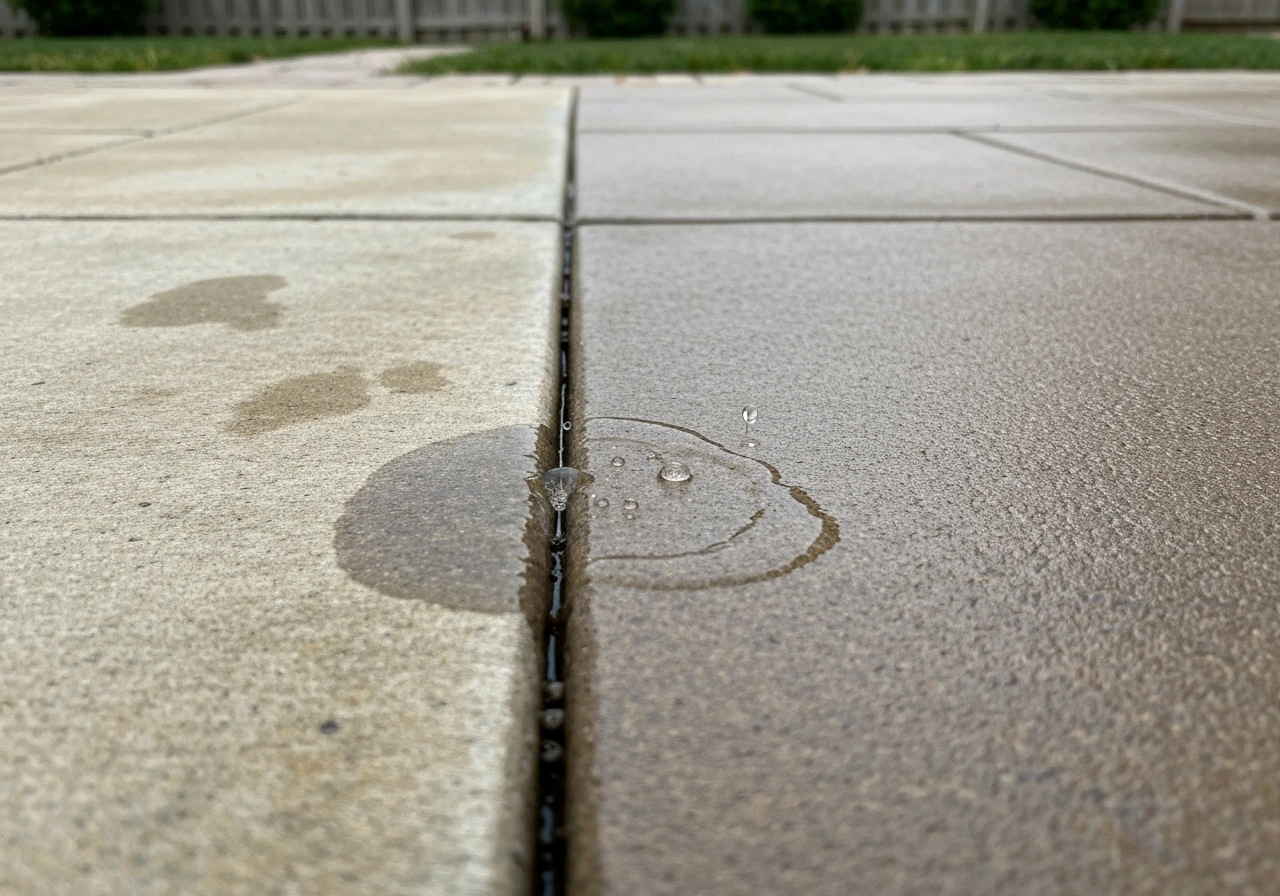
Concrete and pavers are porous. Left unsealed, they absorb water, oil, road salt, and anything else that lands on them. That leads to staining, freeze-thaw cracking, efflorescence (the white chalky mineral deposits that show up near joints), and mold growth in shaded spots. A sealer reduces or eliminates that absorption, either by filling the pores chemically (penetrating) or by forming a protective film on top (film-forming). Neither approach is perfect for every surface, and that's exactly what a useful review should make clear.
The problem with most sealer reviews online is that they rate products in a vacuum. A product praised for its glossy wet look on stamped concrete is not the right call for tumbled travertine pavers. So when you're reading reviews, including this one, always check that the reviewer tested on a surface similar to yours, in a climate similar to yours, and with similar traffic. A beachside patio in Florida has very different UV and humidity demands than a shaded patio in Minnesota. Reviews that ignore these variables aren't actually useful.
The core questions every review should answer: How long does protection last before recoating? Does it change the appearance, and in what way? Is it breathable or film-forming? How does it handle UV exposure, stains, and foot traffic? What's the actual coverage per gallon? And are there any known failure modes, like hazing, whitening, or peeling under moisture? If a product review doesn't address those points, keep looking. Patio paint reviews can help you match the right color, finish, and durability expectations to your specific patio conditions.
Quick decision: know your surface and your finish goal first
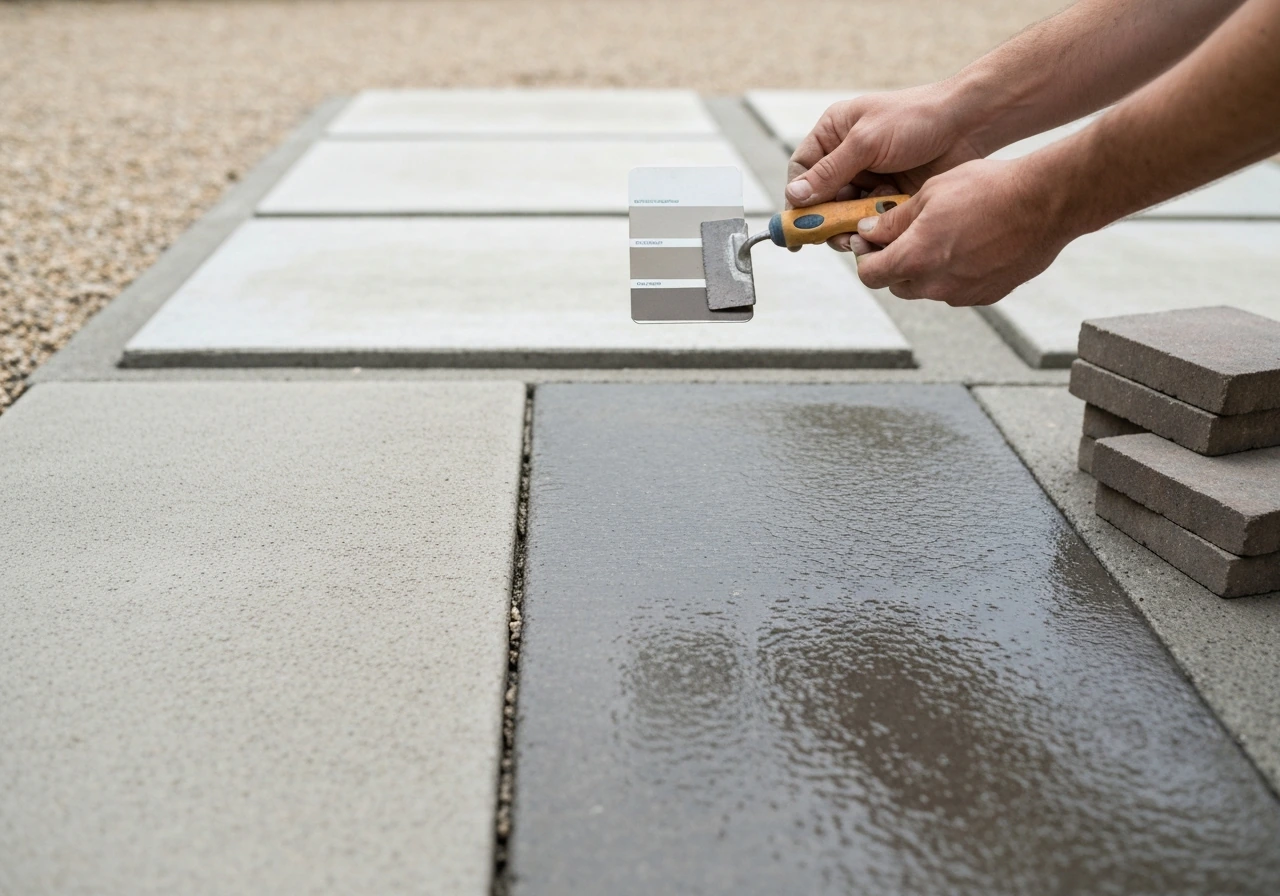
Before you read a single product name, you need two answers: what material is your patio made of, and what do you want it to look like afterward? Skipping this step is how people end up with a high-gloss film-forming sealer on natural stone pavers and then wonder why it's peeling two seasons later.
| Patio Surface | Best Sealer Type | Finish Options | Key Watch-Out |
|---|---|---|---|
| Poured/stamped concrete | Film-forming acrylic or epoxy-acrylic blend | Matte, satin, semi-gloss, high-gloss (wet look) | Solvent-based high-gloss can trap moisture if applied too early |
| Concrete pavers | Penetrating (silane/siloxane) OR film-forming acrylic | Natural look or wet look | Film-forming can cause haze or joint sand displacement |
| Brick pavers | Penetrating siloxane preferred | Natural look, slight sheen available | Avoid film-forming on old or soft brick—can trap moisture |
| Natural stone (travertine, bluestone) | Penetrating only | Natural/invisible | Film-forming sealers will peel; stone must breathe |
| Exposed aggregate concrete | Penetrating or thin-film acrylic | Natural or light sheen | Thick film coatings obscure texture and look artificial |
For finish preferences: if you want the color and texture of your patio to pop and look richer, you want a wet-look or semi-gloss product. If you want protection that's nearly invisible, go matte or penetrating. If you have a busy household with kids, pets, or outdoor dining, slip resistance matters more than sheen, so factor in whether the product adds a traction-enhancing additive option.
Patio sealer reviews: best picks by product type
Penetrating sealers (silane/siloxane)
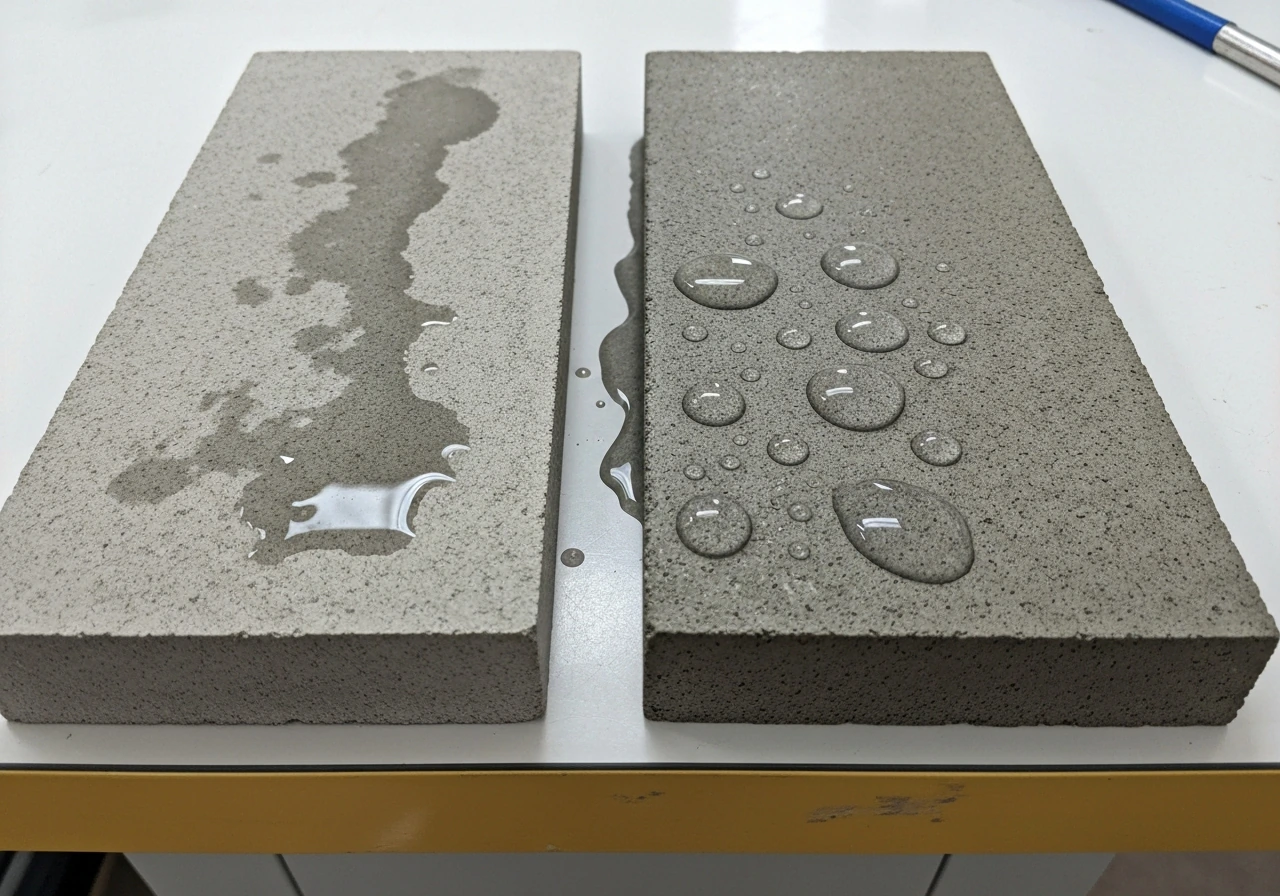
Penetrating sealers work by soaking into the pores of concrete or stone and reacting chemically to repel water. They don't form a surface film, so they don't change the appearance much and they can't peel or flake. Silane and siloxane are the two most common chemistries here, and many products blend both. Silane molecules are smaller and penetrate deeper; siloxane molecules provide a broader surface-level water repellent barrier. Combined, they're excellent for dense concrete, pavers, and any surface where breathability is critical.
Products in this category are typically rated on water beading (a strong indicator of effectiveness), breathability, and how long they last before the repellency drops. Good performers in this category show strong bead-up on freshly sealed surfaces and retain meaningful protection for three to five years. The trade-off: they don't protect against surface stains like motor oil or red wine the way a film-forming sealer does. Water-carried contaminants are blocked; direct surface contamination is not.
- Best for: natural stone, brick, any paver where breathability is required, surfaces with active moisture issues
- Typical coverage: 100–200 sq ft per gallon depending on porosity
- Application: pump sprayer is standard; avoid roller as it doesn't push product into pores
- Recoat window: every 3–5 years, or when water stops beading
- Failure mode to watch for: over-application causes white haze; always apply thin coats
Film-forming acrylic sealers
Acrylic sealers are the most popular choice for concrete patios and they deserve the reputation. They form a thin protective coating on the surface, offering better stain resistance than penetrating types, and they come in a range of sheens from flat matte to glossy wet look. Importantly for outdoor use, acrylic sealers are UV-resistant and non-yellowing, which is a major advantage over polyurethane or epoxy coatings used indoors. They're also considered breathable within limits: water vapor can escape, which reduces the risk of delamination caused by trapped moisture. Water-based acrylic formulas dry faster and have lower VOCs than solvent-based versions, making them easier to work with for DIYers.
The biggest complaint in reviews of acrylic sealers, especially wet-look products, is recoat frequency and whitening. A high-quality 100% acrylic formula should last one to three years on a heavily used outdoor patio before it needs refreshing. Lower-quality products or thin applications may need recoating annually. blank" rel="noopener noreferrer">Whitening or turning milky is a known failure mode, typically caused by moisture getting trapped under the film during application or by UV degradation in cheaper formulations. Products with better reviews tend to be noted for staying clear even after multiple seasons.
- Best for: poured concrete, stamped concrete, concrete pavers where you want color enhancement
- Typical coverage: 150–300 sq ft per gallon for first coat; second coat covers more
- Application: roller or pump sprayer; thin coats are always better than thick
- Recoat window: 1–3 years depending on traffic and UV exposure; recoat before complete failure
- Failure mode to watch for: whitening/blushing from moisture entrapment, peeling if applied over existing incompatible coating
Epoxy-acrylic blends and polyurethane topcoats
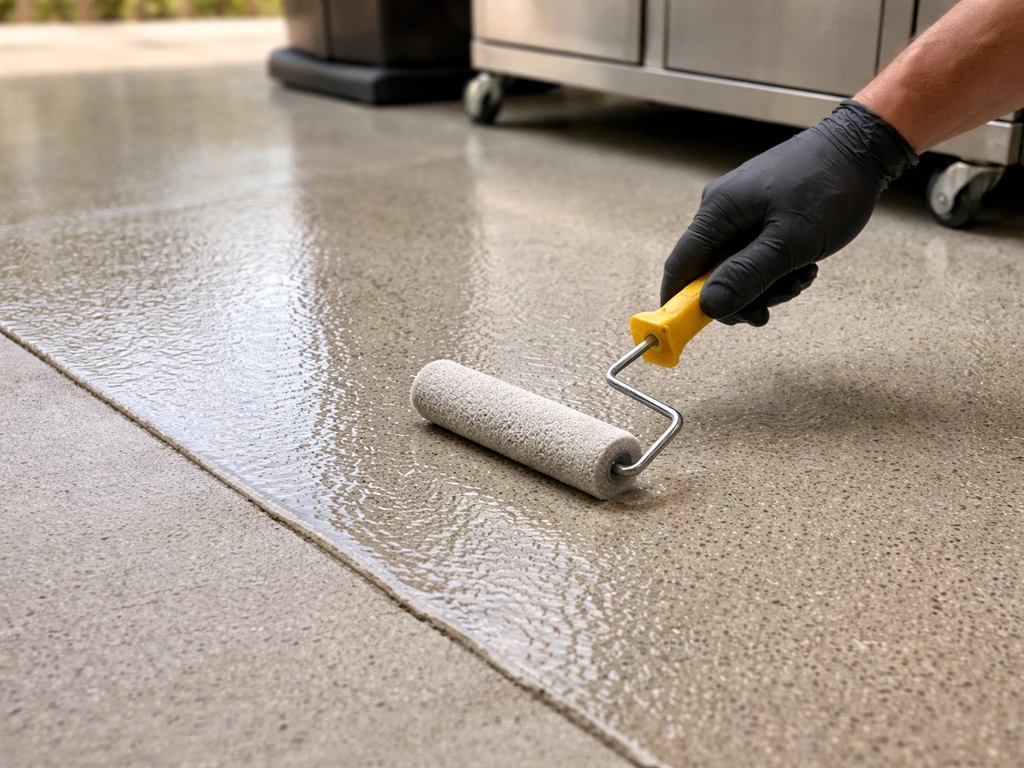
Epoxy-acrylic blends offer more durability and chemical resistance than straight acrylic, and they work well on high-traffic patios or areas near a grill where grease and heat are concerns. The trade-off is they're harder to recoat: when it's time to refresh, you often need to strip the old coating rather than just add another layer. Pure polyurethane sealers are durable but can yellow outdoors unless specifically formulated as aliphatic (UV-stable) polyurethane. For most homeowners sealing a residential patio, acrylic or an acrylic-epoxy blend hits the right balance of performance and maintainability.
Patio paver sealer reviews: what's different when you're dealing with pavers
Pavers introduce challenges that poured concrete doesn't have: joints filled with sand, individual units that can shift slightly, and often a rougher or more textured surface. These factors change which sealers perform well and which ones fail fast.
The joint sand issue is the big one. Polymeric sand is often used in paver joints to resist weed growth and ant intrusion, and many film-forming sealers can bond with the sand and help lock it in place. This sounds great, and in the right scenario it is. But if the sand isn't fully settled and dry before sealing, or if water gets under the sealer later, you can end up with joint sand displacement and sealer delamination along the joint edges. Reviews of paver sealers that don't address joint compatibility are incomplete.
Efflorescence is the other paver-specific concern. This is the white mineral bloom that migrates from beneath the pavers through the joints and surface. A film-forming sealer applied over active efflorescence will trap it and look terrible. Penetrating sealers can help slow future efflorescence by reducing moisture movement, but they won't fix an active problem. You have to treat efflorescence with an appropriate cleaner and let the surface fully stabilize before sealing.
Slip resistance matters more on pavers too, especially around pool areas or in climates where moss and algae grow. For patio performance spa cover areas, prioritize a sealer that keeps good slip resistance and can handle frequent moisture exposure. Smooth wet-look acrylic coatings on pavers can become dangerously slippery when wet. The best paver sealer reviews for these applications specifically note whether the product includes a non-slip additive option or whether the surface texture is preserved. If you're sealing around a pool or on a sloped surface, this is not optional.
| Concern | Penetrating Sealer | Film-Forming Acrylic |
|---|---|---|
| Joint sand stabilization | Minimal effect | Helps lock in polymeric sand |
| Efflorescence risk | Lower (allows vapor escape) | Higher if applied over active efflorescence |
| Slip resistance | Surface texture preserved | Can reduce traction; additive recommended |
| Haze risk | Low if applied correctly | Higher; over-application causes white haze |
| Color enhancement | None to minimal | Moderate to strong (wet look available) |
| Recoat ease | Easy; new coat over old | Must be compatible chemistry |
How to actually compare products: the criteria that matter
When you're reading reviews or comparing products side by side, here are the specific attributes worth paying attention to. Not every review covers all of them, but the more boxes a product checks for your specific surface and climate, the more confident you can be.
- Durability and recoat frequency: How many years before the sealer needs refreshing under normal outdoor conditions? One year is considered short; three or more is solid for a film-forming product. Penetrating types generally outlast film-formers.
- UV resistance: For any outdoor surface, UV stability is non-negotiable. Acrylic sealers are generally good here. Polyurethanes vary. Check specifically whether the product is rated non-yellowing for exterior use.
- Stain protection: Film-forming sealers block surface stains (oil, food, rust) much better than penetrating types. If your patio sees heavy food and beverage use, factor this heavily.
- Water behavior: Penetrating sealers cause strong water beading. Film-forming sealers create a barrier that sheds water as a sheet. Both work, but water beading is a quick visual indicator that a penetrating sealer is still active.
- Coverage rate: Actual coverage per gallon varies widely. A product rated at 200 sq ft per gallon on dense concrete might cover only 100 sq ft on a porous aged surface. First coats always absorb more.
- Slip resistance: Look for products that explicitly mention traction or that offer a non-slip additive. This is especially important for glossy finishes, wet surfaces, and shaded areas prone to algae.
- VOC content and base (water vs. solvent): Water-based products are lower VOC, dry faster, and are easier to clean up. Solvent-based products penetrate more aggressively but require better ventilation and longer dry times.
- Compatibility with existing coatings: If your patio has been sealed before, this is critical. Applying a water-based acrylic over a solvent-based coating, or vice versa, can cause lifting and failure.
How to prep and apply (step-by-step)
The most common reason sealer fails isn't the product itself. It's surface prep. A sealer applied to a dirty, damp, or incompatible surface will peel, haze, or provide inconsistent protection. Here's how to do it right.
Surface prep
- Clean thoroughly: pressure wash the entire surface to remove dirt, mildew, algae, and loose material. For concrete, a PSI of 2,000–3,000 is usually appropriate. For pavers, stay at 1,500–2,000 to avoid disturbing joint sand.
- Treat efflorescence: if you see white chalky deposits, use a diluted muriatic acid solution (10:1 water to acid) or a commercial efflorescence remover. Rinse completely and let dry.
- Remove existing failing sealer: if the old coating is peeling or flaking, strip it with a chemical stripper or grinder before applying new product. Don't seal over failure.
- Fill cracks: repair any cracks in concrete with a flexible polyurethane or epoxy crack filler. Let cure fully before sealing. Small hairline cracks in pavers can often be sealed over with penetrating products.
- Allow full drying: this is where patience pays off. Concrete must be completely dry before applying any sealer. Wait at least 24 hours after rain; 48–72 hours is better for penetrating products. New concrete should cure for at least 28 days.
- Test for existing sealer: pour a small amount of water on the surface. If it beads immediately, there's already an active sealer present. You'll need to test for compatibility before applying your new product.
Application
- Choose the right tool: pump sprayer works well for penetrating sealers and for the first coat of thin acrylics. A 3/8-inch nap roller is ideal for applying and back-rolling film-forming sealers to ensure even coverage and eliminate bubbles.
- Apply thin coats: thin, even coats outperform thick ones every time. Two thin coats with proper dry time between them beat one heavy coat. Heavy application causes bubbling, hazing, and uneven sheen.
- Work in sections: don't let the leading edge of your application dry before you connect to it. Wet-edge technique prevents lap marks.
- First coat coverage: expect roughly 150–200 sq ft per gallon on the first coat of a film-forming acrylic on moderately porous concrete. Old or very porous surfaces absorb more.
- Second coat timing: for most acrylics, apply the second coat when the first is dry to the touch but not fully cured, typically 2–4 hours. Check the product's specific recoat window; missing it can cause adhesion issues.
- Weather window: apply when temperatures are between 50°F and 90°F. Avoid direct hot sun on the surface (it can cause flash-drying and bubbles). No rain for at least 24 hours before and after application.
- Cure before use: light foot traffic is usually fine after 24 hours. Wait 72 hours for furniture and 5–7 days before any vehicle traffic.
Maintenance, recoat timing, and when to call a pro
Keeping the sealer working
A sealed patio still needs basic maintenance. Sweep or blow off debris regularly, clean spills quickly (sealed surfaces resist stains but don't make them immune indefinitely), and rinse the surface a few times a year with clean water. Avoid harsh chemical cleaners like bleach directly on sealed surfaces, as these can degrade the coating over time.
For film-forming acrylics, watch for these signs that it's time to recoat: water no longer beads or sheets across the surface, the finish looks dull or patchy, or you start seeing staining that wipes clean easily on other parts of the patio but not in worn areas. Don't wait until the coating is fully degraded and peeling. Recoating over a still-intact but fading sealer is much easier than stripping and starting over. For penetrating sealers, the water-bead test is your main indicator: when water absorbs instead of beading, it's time for another application.
Safety and when DIY isn't the right call
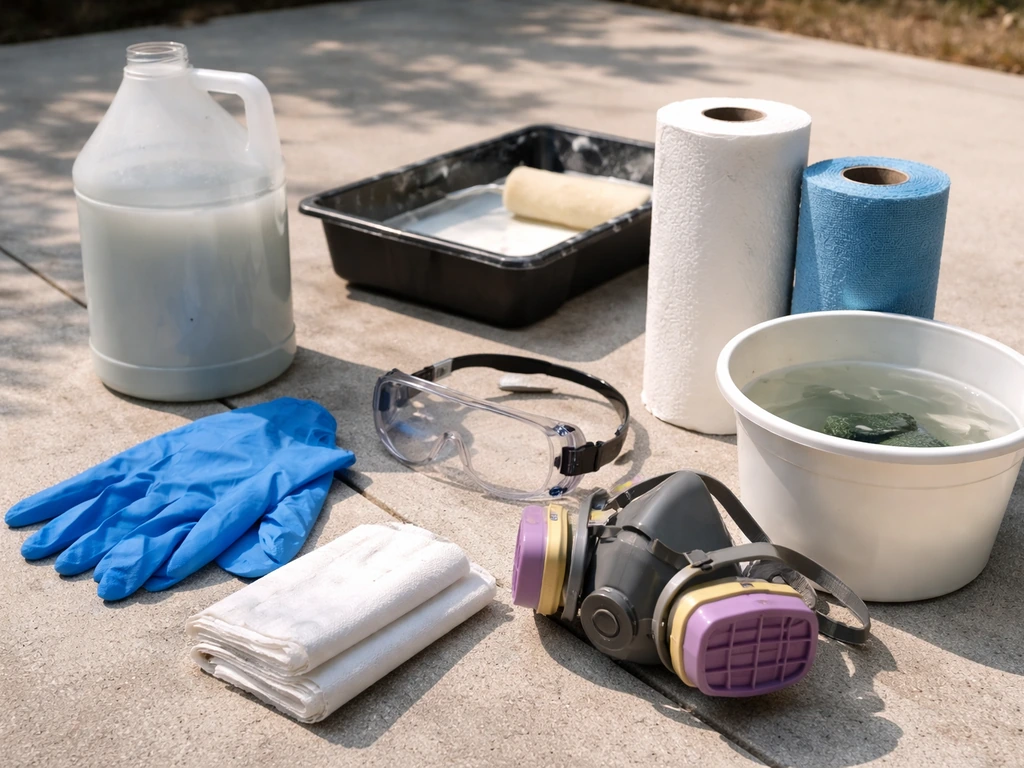
Water-based sealers are the safest for DIY: low VOCs, easy cleanup with water, and no special disposal requirements. Solvent-based products are a different story. They require genuine ventilation (not just an open door), chemical-resistant gloves and eye protection, and awareness that solvent vapors are both toxic and flammable. If you're using a solvent-based sealer in a confined space or in warm weather, the vapors can accumulate quickly. Read the SDS (Safety Data Sheet) before opening the container.
There are also situations where hiring a professional makes straightforward sense. If your patio is over 500 square feet, a contractor with commercial spray equipment will do a better, faster job with more consistent coverage. If there's significant crack repair needed, especially structural cracking, a pro can assess whether you have a surface issue or a substrate problem. And if your current sealer is failing badly and you're not sure what chemistry it is, a professional can test for compatibility and strip the surface properly without damaging the concrete or pavers underneath.
One more consideration: if you're also evaluating how your patio looks beyond just the sealer, it's worth thinking about the surface treatment holistically. Patio paint, for example, is a different category entirely from sealers, offering color but requiring different prep and maintenance expectations. And if you're protecting specific gear or furniture covers alongside the surface, products like patio armor or patio shield solutions address material protection differently than a surface sealer does. Getting the sealer right is step one, but it fits into a broader approach to keeping the whole outdoor space in good shape.
FAQ
Can I apply patio sealer reviews recommendations over an existing sealer, or do I need to strip first?
Yes, but only in narrow cases. If the current coating is still bonded and in good shape, you can often recoat with the same chemistry (for example, water-based acrylic over water-based acrylic). If you see peeling, deep whitening, or powdery residue (especially after cleaning), plan on stripping, because sealing over compromised film can trap failures and cause new delamination within a season.
What should I do if my paver patio has efflorescence before choosing from patio sealer reviews?
Do not seal over active efflorescence (white bloom) or visible salts. Efflorescence needs cleaning and full stabilization, otherwise the trapped minerals push up through the new coating. A practical check is to dry the area fully, then sprinkle a small amount of water, if it instantly darkens and pulls moisture through joints, treat it as still-active.
How do I make sure a wet-look patio sealer stays safe for wet feet, especially around a pool?
Test first, because slickness depends on both product chemistry and surface texture. For pool decks or shaded algae zones, look for slip-resistance information and, if offered, an approved non-slip additive. Also avoid sealing only the “cleanest” area, since uneven sheen or film thickness can create traction differences across the patio.
What do the water-beading results from patio sealer reviews actually mean for my patio’s protection level?
The water-bead test is useful, but refine it: after a full cure (not just overnight), spray water in multiple locations and watch for beading versus dark soak-in. Film-forming products should repel at first and gradually lose repellency over time; penetrating sealers may show less dramatic beading but should still reduce darkening from rainfall. If only edges bead or the patio looks mottled, your application likely had coverage or thickness issues.
Do penetrating and acrylic patio sealers protect equally against oil, wine, and other common stains?
In many cases, you can match the sealer to the stain type, but reviews do not always tell you what will and will not be blocked. Penetrating sealers mainly reduce water-borne staining, they often won’t fully stop direct oil or grease transfer. Acrylic film-formers typically resist many surface stains better, but you must clean promptly because heat and oils can still migrate under or through thin film over time.
Why do patio sealer reviews so often report different coverage per gallon, and how should I calculate my purchase amount?
Coverage is often overestimated in reviews because people apply at the minimum film thickness under ideal temperatures. For better results, use the stated coverage as a ceiling, not a target. Measure your patio area, divide by the realistic coverage you get after accounting for surface texture, then add 10 to 15% extra for overlaps and reworking thin spots.
What are the most common causes of whitening or hazing mentioned in patio sealer reviews, and can it be prevented?
Whitening usually points to trapped moisture during application, applying over a damp surface, or working in conditions where the coating cannot dry evenly. Control the variables: seal when the surface is fully dry, avoid sealing before rain, and do not apply under heavy dew or high humidity. If whitening is already present, recoating may worsen it, the better move is to diagnose prep and cure conditions first.
Are solvent-based sealers from patio sealer reviews really worth it, and what safety steps are non-negotiable for DIY?
For DIY, water-based acrylics are generally the safest choice, but you still need correct ventilation and PPE. Solvent-based products require stricter precautions, including proper respirators for the specific vapor profile and chemical-resistant gloves, and they should not be handled near ignition sources. If you are applying near a garage door or in warm, still air, wait for better conditions because vapors can accumulate quickly.
How do I decide when to recoat based on patio sealer reviews, without waiting for peeling?
A “recoat window” depends on wear, sun exposure, and how much traffic and washing your patio gets. A good decision rule is to start the water-bead test at regular intervals, then recoat when repellency drops (water no longer beads or sheets). If the finish is only dull but still repelling, you can often refresh sooner rather than waiting for patchiness or peeling.
What should I do if I don’t know what sealer is currently on my concrete or pavers, and I’m relying on patio sealer reviews?
Yes, compatibility mistakes are a major failure mode. If you do not know what chemistry is on the patio, do not assume acrylic over penetrating will bond well. Spot-test in a small area, and if the surface fails to repel water after cure or shows fisheyes or haze, stop and identify the existing coating before applying another product.