
Patio Armor is a brand of outdoor protective covers and weather-resistant patio mats, not a concrete coating or sealer. The line was originally built around heavyweight fabric covers for patio furniture, grills, and outdoor equipment, and was later acquired by Sure Fit, which expanded it to include UV-resistant, weather-resistant outdoor rugs and mats. If you landed here expecting reviews of a patio surface coating or concrete sealer, that is a different product category entirely. But if you are shopping for durable patio covers or outdoor mats that protect your furniture and floor from sun, rain, and dirt, this guide covers exactly what you need to know.
Patio Armor Reviews: Durability, Fit, Slip, and Install Guide

Miles Sutton
12 Jun 2026
What Patio Armor actually is (and what it's meant to do)
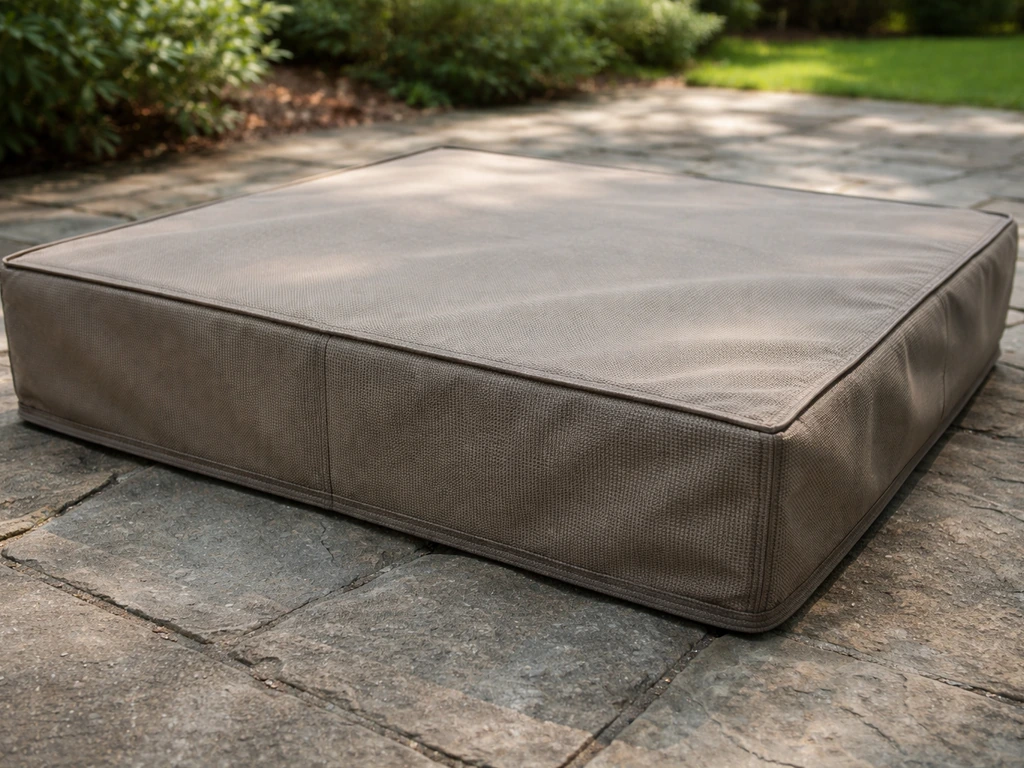
Patio Armor started as a line of heavyweight fabric covers designed to shield patio furniture, grills, and other outdoor items from the elements. blank" rel="noopener noreferrer">After Sure Fit acquired the brand assets from Trilink Global LLC, the product range expanded to include outdoor rugs and mats, most notably the Patio Armor Patio Mat by SureFit. The mat line is marketed specifically as blank" rel="noopener noreferrer">UV fade-resistant and weather-resistant, meant to sit on decks, patios, and outdoor spaces where standard indoor rugs would quickly deteriorate. The covers side of the brand uses a fabrication called Ripstop, which is a tighter, more durable weave intended to resist tearing under wind and moisture stress. So in practical terms, Patio Armor products fall into two buckets: (1) furniture and grill covers that protect items from weather damage, and (2) outdoor mats and rugs that protect your patio surface and add comfort underfoot.
What Patio Armor is not is a poured, painted, or rolled-on surface treatment. If you are looking for something to seal concrete, protect pavers from staining, or add slip resistance to a slick tile patio, you are in sealer or coating territory. Those are worth researching separately, since the application process, longevity, and performance criteria are completely different from what a fabric mat or cover can offer.
What real reviews actually say: durability, weather, traction, and appearance
Durability and weather resistance
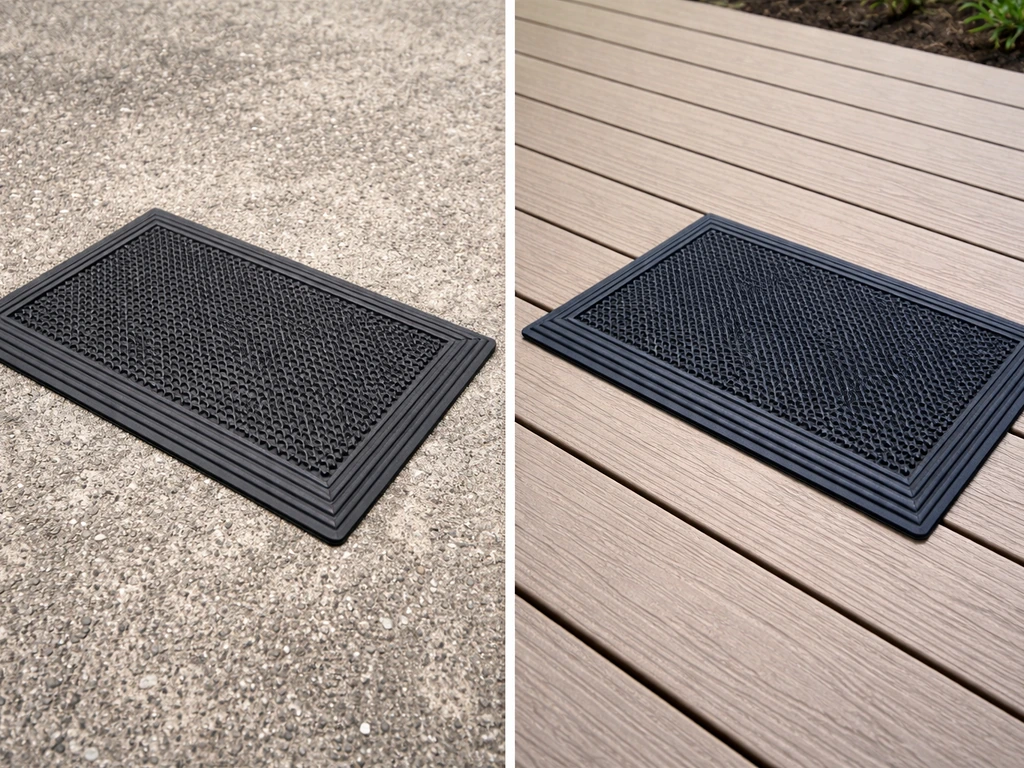
Across retailer reviews on platforms like Overstock and Amazon, the most consistent praise for Patio Armor mats is that they hold their shape and color better than cheaper outdoor rugs after a full season of sun exposure. The UV-resistant treatment is the feature buyers mention most positively, especially in climates with intense summer sun in the South and Southwest. However, durability complaints cluster around two issues: the edges fray after repeated washing or heavy rain exposure, and the backing can start to separate from the top layer after about 18 to 24 months of continuous outdoor use. Buyers in humid climates report faster degradation than those in dry climates.
Traction and slip resistance
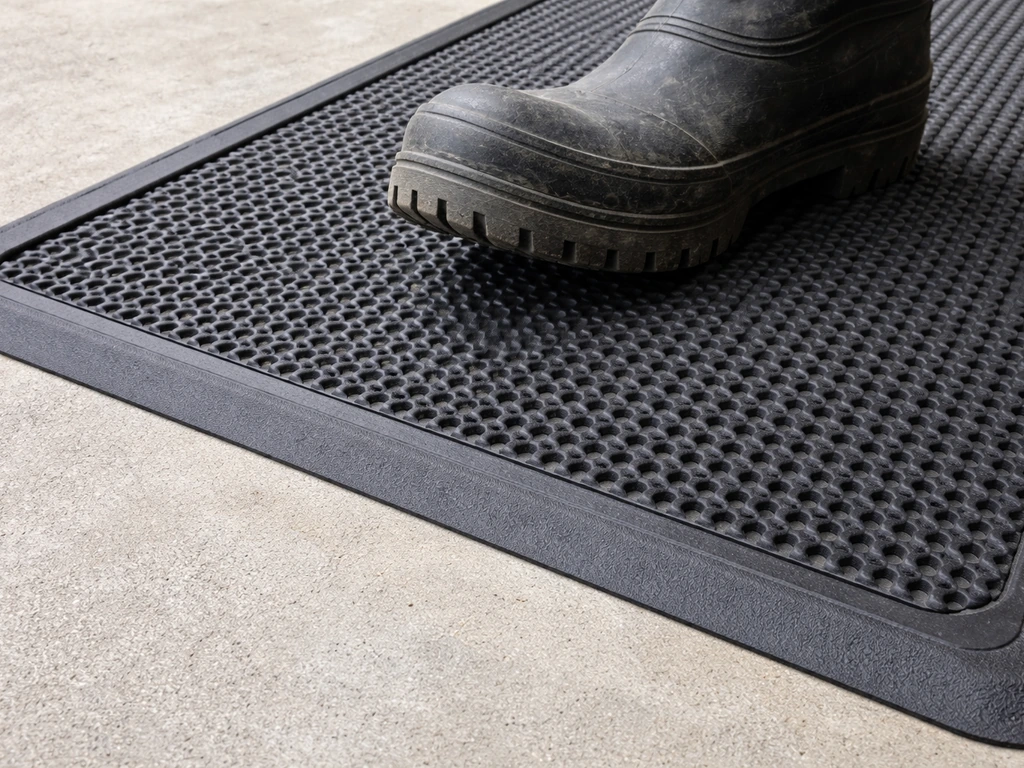
Traction is a mixed story. The mats are not marketed primarily as slip-resistant safety products, and reviews reflect that. On smooth concrete or composite decking, the mat itself can shift unless you use a separate non-slip rug pad underneath. Buyers with kids or elderly family members who care about slip safety consistently recommend pairing the mat with a dedicated outdoor-rated rug pad. On textured concrete or pavers, the mat tends to stay put better. If your main goal is slip resistance on a wet patio surface, a patio mat alone is not a complete solution.
Appearance and finish
Appearance reviews are generally positive at the point of purchase. The mats come in neutral and muted tones that photograph well and blend with most outdoor furniture. The texture has a woven, rug-like look that reads as intentional rather than utilitarian. Color fading is the most common long-term complaint, especially in darker colorways after two or more seasons. Buyers who store the mat or cover it during the off-season report noticeably better color retention than those who leave it out year-round.
Installation reality check: setup, care, and common mistakes
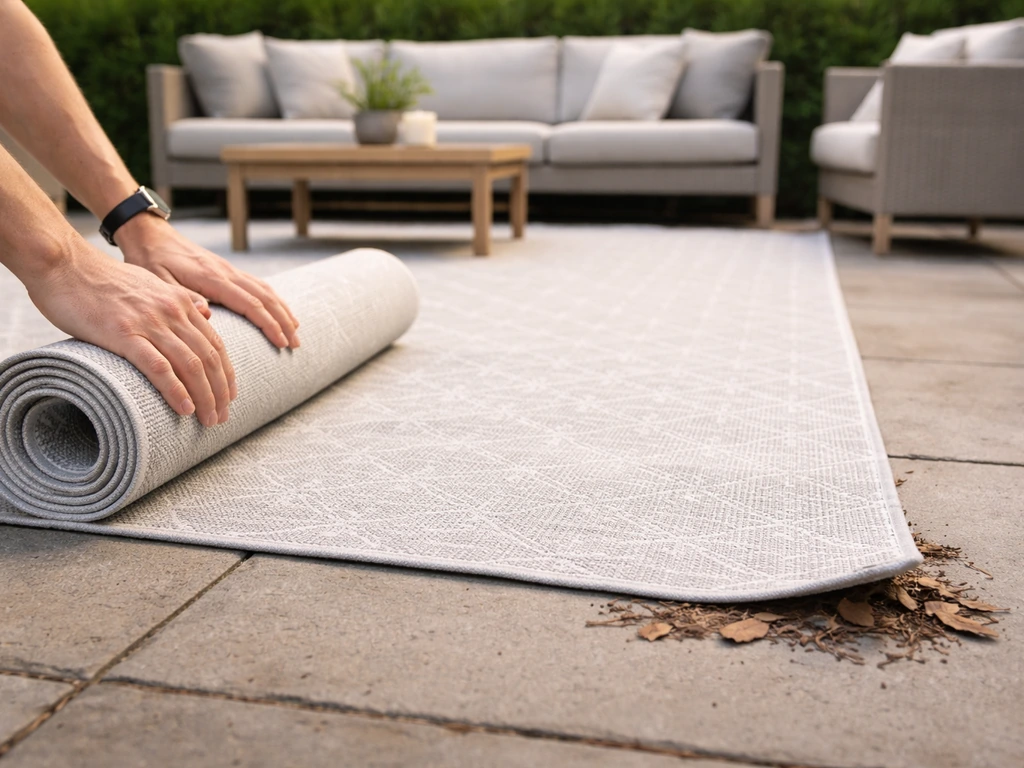
Unlike a concrete sealer or coating, Patio Armor mats and covers do not require surface prep, mixing, curing time, or application tools. Setup is straightforward: unroll or unfold the product, position it on a clean, dry surface, and you are done. For furniture covers, the Ripstop fabric versions have adjustable tie-downs or elastic hems that secure the cover in wind. Getting the right fit matters here. A cover that is even slightly too large will catch wind and flap, which accelerates wear on the seams and can cause the cover to blow off entirely.
The most common setup mistakes are using the mat on a dirty or wet surface (which traps moisture underneath and promotes mold growth underneath the mat) and buying the wrong size. Measure your furniture or patio space before ordering. For patio mats, leave at least 12 to 18 inches of patio surface exposed around the edges so the mat does not create a tripping hazard at furniture legs. For covers, match the dimensions to the manufacturer's size chart for your specific furniture piece rather than eyeballing it.
There is no curing time, but there is a drying requirement. If the mat gets soaked, the official care guidance is to hang it in a ventilated place to air dry rather than leaving it flat on the patio surface. Flat-drying traps moisture and is the fastest path to mildew on the backing. Routine cleaning involves sweeping off loose debris and rinsing with water. Vacuuming also works for dry debris. Avoid pressure washing on a high setting, which can separate the weave.
Maintenance and longevity: what to expect over time
With reasonable care, a Patio Armor mat or cover in a moderate climate should last two to four seasons before showing significant wear. In harsher climates with extreme UV exposure, heavy rain, or freeze-thaw cycles, expect closer to one to two seasons before color fading or edge fraying becomes noticeable. There is no recoat schedule or resurfacing process the way there is with a concrete sealer. When the product is worn, you replace it.
Failure symptoms to watch for include: backing separation (the bottom layer peeling away from the top), persistent mildew smell that does not clear after drying, edge fraying that creates trip hazards, and significant color fading that makes the product look older than your furniture. Covers should be inspected each spring for seam integrity, especially around the tie-down attachment points where stress concentrates. If the seam is pulling away, the cover will fail in the next hard wind.
To maximize longevity, store mats and covers indoors or in a weatherproof bin during the off-season. Even UV-resistant fabric degrades faster under continuous exposure. Monthly sweeping and a quarterly rinse with mild soap and water will prevent dirt buildup that grinds into the fibers and accelerates wear.
Who Patio Armor is best for (and when to skip it)
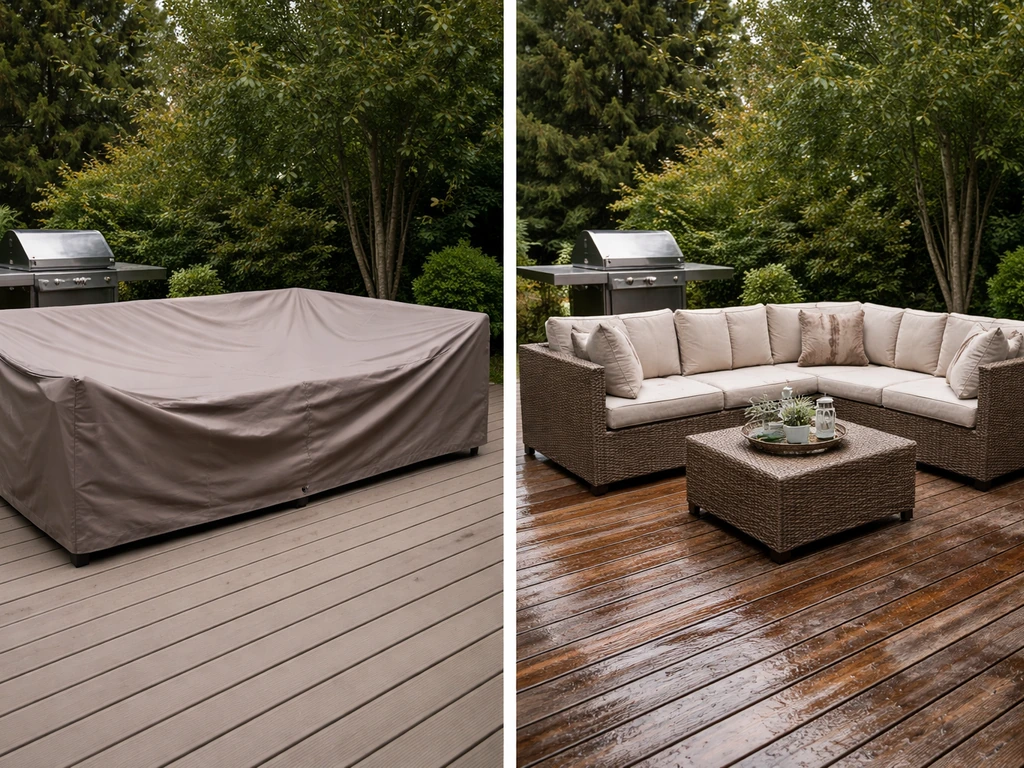
Patio Armor products are a good fit if you want a fast, tool-free way to protect patio furniture from UV damage and moisture between uses, or if you want to add a finished-looking rug layer to a plain concrete or composite deck patio without committing to a permanent surface treatment. They work especially well for renters who cannot make permanent modifications, seasonal users who close up their patio for winter, or homeowners who rotate furniture arrangements and want flexible coverage.
Skip Patio Armor if your primary goal is protecting the patio surface itself from staining, cracking, or water infiltration. For that, you need a dedicated patio sealer or coating applied directly to the concrete, pavers, or stone. Similarly, if slip resistance on a wet surface is a safety priority, a fabric mat is not a substitute for a proper non-slip coating or treatment. Climates with sustained high humidity and frequent rain are also harder on these products, so buyers in the Pacific Northwest or Southeast should set realistic expectations around longevity. High-traffic commercial patios or restaurant outdoor spaces will wear through these products faster than a residential patio with weekend use.
How to vet reviews and avoid mismatched expectations
The biggest source of bad reviews for Patio Armor products is mismatched expectations, specifically buyers who expected a concrete sealer or hard-surface coating and received a fabric mat or cover. Before reading any reviews, confirm you are looking at the right product category. Check the product description for material type (fabric, polypropylene, vinyl) and intended use (furniture cover vs. surface mat vs. ground cover).
When reading reviews, weight these signals most heavily: verified purchase tags on retailer sites, reviews that specify climate and usage conditions ("used in Arizona for two summers" tells you more than "great product"), and reviews that mention specific failure modes with timelines. Dismiss reviews that are extremely short ("Love it!" or "Terrible!") with no detail, and be skeptical of clusters of five-star reviews posted within the same short window, which is a common indicator of incentivized or manufactured reviews.
- Look for reviews that mention your specific climate or patio surface type
- Prioritize reviews with photos showing the product after at least one season of use
- Check the one and two-star reviews for specific failure modes and timelines
- Verify the reviewer purchased the same size and version you are considering
- Cross-reference reviews across multiple retail platforms, not just the brand's own site
- Watch for marketing language in product descriptions that overpromises longevity without specifying conditions
Price vs alternatives: what you get and what it costs
Patio Armor mats typically run in the $30 to $80 range depending on size, which puts them in the mid-tier of outdoor rug pricing. Furniture covers range from about $20 for smaller grill covers to $60 to $100 for large sectional or dining set covers. That is affordable compared to hard-surface treatments but more expensive than basic polyester covers from big-box stores.
| Product Type | Approx. Cost | Coverage / Use Case | Longevity | Best For |
|---|---|---|---|---|
| Patio Armor Mat (SureFit) | $30 to $80 | Decorative ground cover, 5x8 to 9x12 ft sizes | 2 to 4 seasons | Renters, seasonal patios, quick updates |
| Patio Armor Furniture Cover | $20 to $100 | Single furniture pieces, grills, cushion storage | 2 to 3 seasons with off-season storage | Protecting furniture between uses |
| Concrete patio sealer | $50 to $150 per 5-gallon bucket (covers 250 to 500 sq ft) | Sealing patio surface from water and stains | 3 to 5 years per coat | Protecting concrete or paver surfaces |
| Outdoor polypropylene rug (budget) | $15 to $50 | Decorative ground cover | 1 to 2 seasons | Short-term use or tight budgets |
| Premium UV-stabilized outdoor rug | $100 to $300+ | High-durability decorative ground cover | 4 to 7 seasons | High-use patios, hot climates |
If surface protection is your goal rather than decoration, the comparison changes entirely. A patio sealer applied to concrete or pavers will do more for actual surface longevity than any mat or cover. If you still want to compare options like patio roof riser reviews, look at products and reviews that specifically match a roof-riser installation rather than a fabric patio mat patio sealer applied to concrete or pavers. Patio Armor fills a different need: appearance, furniture protection, and ease of setup. Treat it as a complement to surface sealers, not a replacement. If you are also considering options for your actual patio surface, it is worth looking into dedicated patio sealer options alongside what a patio mat or cover can do above the surface level. If you are also considering options for your actual patio surface, it is worth looking into dedicated patio sealer options alongside what a patio mat or cover can do above the surface level, including patio performance spa cover choices for covered outdoor spaces. If you are shopping for the best patio sealer reviews, compare performance for your exact surface and look for notes on coverage and recoat schedules.
DIY vs professional installation: your decision checklist
For Patio Armor mats and covers, there is no professional installation involved. These are consumer products you set up yourself in minutes. The DIY vs pro question becomes relevant only if you are also addressing underlying patio surface issues that a mat or cover cannot fix, such as cracked concrete, stained pavers, or a slippery tile surface. In those cases, the surface work may need a contractor, and the Patio Armor product goes on top afterward.
Here is a practical checklist to work through before buying:
- Define your actual goal: furniture protection, decorative ground cover, surface stain protection, or slip resistance. Patio Armor covers the first two. The last two require a different product category.
- Measure your space or furniture accurately before ordering. Use the manufacturer's size charts for covers, and measure the usable patio floor area for mats.
- Inspect your patio surface first. If there are cracks, significant staining, or moisture intrusion issues, address those before laying a mat. A mat over a damaged surface traps moisture and accelerates surface damage.
- Check your climate. High humidity and frequent rain mean you need to be more diligent about drying the mat and storing it seasonally. Factor in storage space before buying.
- Consider your household. Pets with claws can snag and pull woven mat fibers. Heavy outdoor furniture moved frequently will wear through mat backing faster.
- Read the return policy before purchasing. Most major retailers allow returns within 30 days if the product does not match the listing description. Keep packaging until you are sure the size and quality are right.
- If you decide you need surface protection rather than a mat, get at least two quotes from local concrete coating or paver sealing contractors before committing. Ask specifically about surface prep requirements, cure time before foot traffic, and warranty terms.
One last thing worth flagging: if you searched for Patio Armor hoping to find a hard-surface coating or concrete protection system, it is worth exploring dedicated patio sealer products and patio shield coatings that are specifically designed for concrete, pavers, or stamped surfaces. If you are trying to compare different patio shield options, checking real patio shield reviews can help you judge durability and weather performance before you buy patio sealer products and patio shield coatings. Those products have their own set of review considerations around coverage rates, compatibility with your surface material, and recoat schedules that are quite different from what a fabric mat involves. Knowing which product category actually matches your problem is the most useful thing you can do before spending a dollar.
FAQ
Can I use Patio Armor mats on top of wet concrete or right after rain?
Check the product listing for material (often polyester or polypropylene with a separate backing layer). Fabric mats can trap moisture underneath if they sit on wet or dirty surfaces, so do a quick patio spot-check for puddles after rain and sweep away debris before unrolling.
What is the best way to improve slip resistance with a Patio Armor mat?
A mat usually cannot meet slip-resistance needs on its own. If you have to walk across a wet surface, pair the mat with an outdoor rug pad that is specifically designed for wet conditions and use the pad size that matches the mat footprint to prevent bunching at seams.
What should I do if I notice backing separation or curling edges?
If the backing separates, continued use can create a curled edge that becomes a tripping hazard. The practical move is to stop using the mat, remove it from foot traffic, and replace it once separation becomes persistent after drying.
Can I vacuum or pressure wash Patio Armor mats to clean them?
Yes, but only after the mat is fully dry. Start with a gentle vacuum on low suction or a broom, then rinse with water using light pressure, and let it air dry in a ventilated area. Avoid high-pressure washing because it can open the weave.
How do I handle mildew smell that does not go away after drying?
If a strong mildew smell persists after you air dry it, do not just leave it outside. Let it dry fully indoors in airflow, then inspect the backing for trapped moisture pockets or separation, since trapped moisture can keep returning as humidity rises.
What is the safest way to store Patio Armor mats during winter or long off-season periods?
Do not store it in an airtight plastic bag while it is damp. Fold or roll only when completely dry, and store in a weatherproof bin with some airflow if possible (for example, avoid sealing it immediately after rinsing).
How can I prevent covers from flapping and wearing out seams?
If your cover is too large, the extra fabric can flap in wind and concentrate stress on seam and tie-down points. Use the manufacturer size chart and, if you are between sizes, consider the smaller option so tension at corners reduces movement.
Why is my mat fading faster in certain areas, and how can I slow it down?
Color fading is accelerated by continuous exposure, especially in strong sun and high heat. The quickest improvement is to cover and store the mat or cover during off-season periods, and consider rotating furniture placement so the same area is not exposed all day.
How do I avoid trip hazards when placing a patio mat under furniture?
If your patio legs or furniture feet sit very close to the edge, you can create a trip edge. Leave the recommended exposed perimeter (about 12 to 18 inches around the mat edges) and make sure the mat is not forced under furniture where it can bunch.
Will Patio Armor last as long in humid climates or areas with freeze-thaw cycles?
Yes, but you should manage expectations. In humid climates or with freeze-thaw cycles, you can see earlier backing degradation and edge fraying, so plan for shorter service life and inspect seams and edges more often (for example, more than once per spring).