
If you searched 'patio pros utah,' you're most likely looking for one of two things: the specific company called Utah Patio Pros (utahpatiopros.com), which bills itself as 'Utah's Premier Patio Design and Construction Experts' and offers flatwork, patio covers, and decks, or you're just trying to find a solid patio contractor somewhere in Utah. Either way, this guide covers both. You'll learn how to check whether any Utah patio company is legit, what a real patio project looks like from quote to completion, what it should cost, and how to avoid the surprises that blow budgets and deadlines.
Patio Pros Utah: How to Choose, Price, and Plan Your Patio

Miles Sutton
29 Apr 2026
What 'Patio Pros Utah' Usually Means
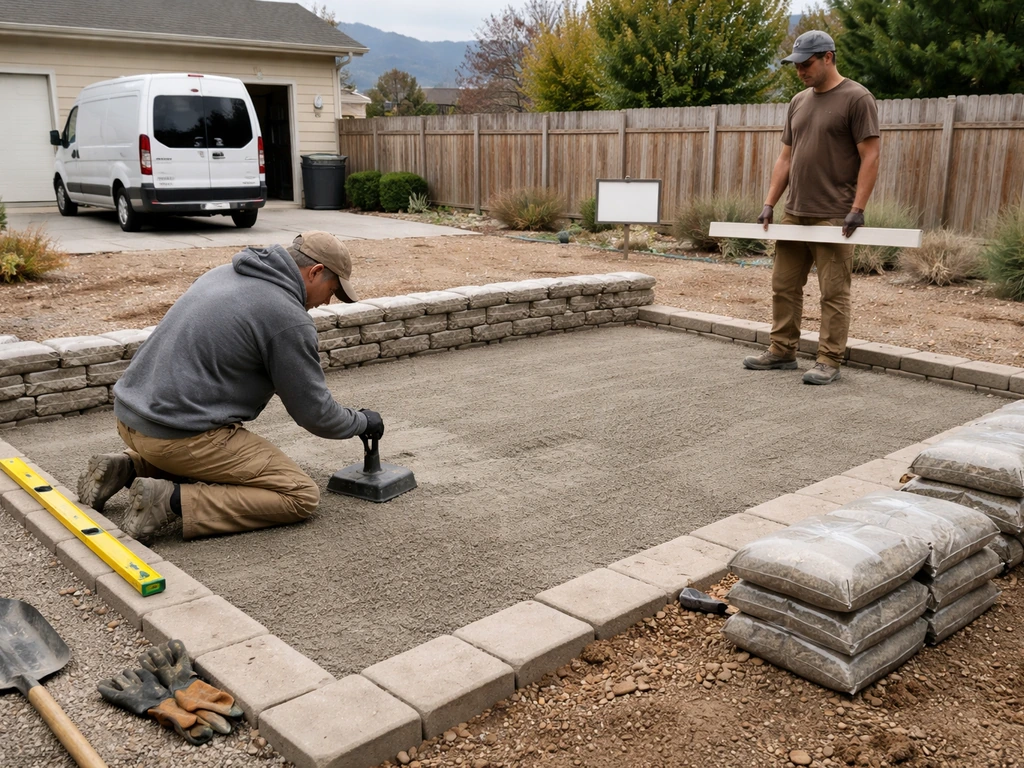
Utah Patio Pros is a real, operating Utah company. Their site highlights that they are licensed and insured, offer free quotes, and promise fast turnaround. They have a Projects page showing completed work, which is exactly the kind of proof you want to see before hiring anyone. If that's the company you found, great, but still run through the due-diligence steps in the next section before signing anything.
Worth knowing: 'Patio Pros' is also used as branding by companies in other states, including a Northern California outfit at patiopros. If you are searching for patio pros az, use the same approach to verify licensing, insurance, and real project experience in Arizona. com that has nothing to do with Utah. Search results sometimes surface these lookalikes, so confirm you're on the Utah-specific site and talking to a contractor who actually works in your area. Similar naming variations like 'utah patio pros' or 'patio pros landscape and design' may refer to different businesses entirely, so always confirm the physical location and service area before getting a quote.
How to Vet Any Utah Patio Contractor
Utah contractor licensing is managed at the state level by the Division of Occupational and Professional Licensing (DOPL), under Utah Code Title 58, Chapter 55. That means you can look up any contractor's license status in about two minutes. Go to secure.utah.gov and use the License Lookup and Verification tool. Search the company name or owner name, confirm the license is active, and check that the license class matches the work being done. If a contractor can't give you a license number, that's a hard stop.
Insurance is equally non-negotiable. Utah requires virtually all employers to carry workers' compensation insurance. Ask for a certificate of insurance that shows both general liability and workers' comp coverage. Have it name you as the certificate holder so you get notified if the policy lapses. If a worker gets hurt on your property and the contractor has no coverage, you could be on the hook.
Beyond the paperwork, ask to see a portfolio of completed Utah projects specifically. Utah conditions (freeze-thaw cycles, clay-heavy soils, slopes in many neighborhoods) mean you want someone who has done this work locally, not just in a milder climate. A company like Utah Patio Pros has a dedicated Projects page for exactly this reason. If you're comparing Rochester Patio Pros, ask the same questions about licensing, insurance, and local project experience before you book a site visit. Look for projects similar in scale and material to what you want.
Finally, ask for two or three references from recent customers, and actually call them. Ask whether the crew showed up on schedule, whether the final cost matched the quote, and whether there were any drainage or settling issues after the first winter. That last question matters a lot in Utah.
- Verify active license at secure.utah.gov using the DOPL License Lookup tool
- Request a certificate of insurance showing general liability and workers' comp, naming you as certificate holder
- Review a portfolio of Utah-specific completed projects
- Call at least two recent references and ask about post-winter performance
- Confirm the company's physical Utah address and active service area
- Check third-party reviews on Google, Houzz, or the BBB, but treat award badges and directory listings as secondary signals only
What a Typical Utah Patio Project Covers
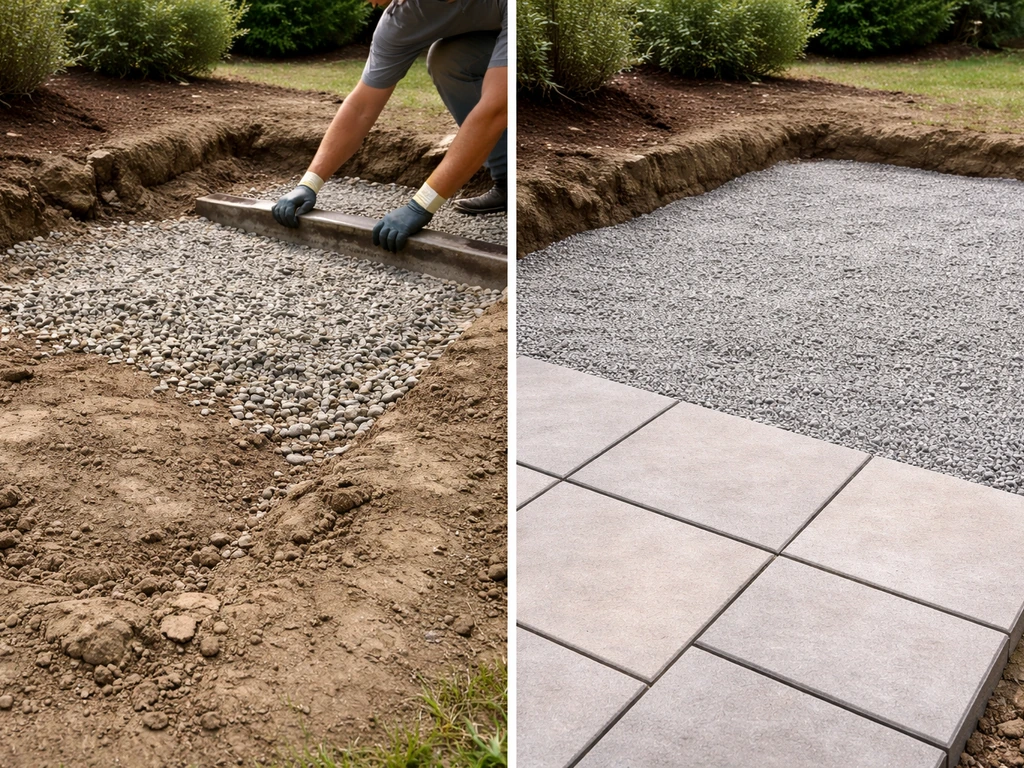
Most Utah patio contractors handle the full scope from excavation to finish. That includes removing existing concrete or sod, grading the sub-base, compacting gravel base material, installing edge restraints, laying the surface material, and filling joints. The base preparation step is where Utah-specific experience really pays off. Clay soils expand when wet and freeze-thaw cycles can heave a poorly built base in a single winter, so a good contractor will dig deeper and use more base material than you might see in a warmer, drier state.
Surface Material Options
| Material | Installed Cost (per sq ft) | Freeze-Thaw Performance | Maintenance Level | Best For |
|---|---|---|---|---|
| Concrete pavers | $8–$25 | Good with proper base and joint sand | Low to moderate | Classic look, easy repairs |
| Poured concrete | $6–$15 | Requires air-entrained mix (min 3.5% air void) | Low | Budget-friendly, smooth finish |
| Stamped concrete | $12–$22 | Moderate, can spall if mix is wrong | Moderate | Decorative look on a tighter budget |
| Natural stone pavers | $20–$50 | Excellent if sealed and properly based | Moderate | Premium appearance, long lifespan |
| Brick pavers | $12–$20 | Good with quality base | Low to moderate | Traditional look, durable color |
For poured or stamped concrete in Utah, insist on an air-entrained mix with a minimum air-void content around 3.5 percent. This is the primary defense against freeze-thaw spalling, where water freezes inside the concrete pores, expands, and chips the surface. For pavers, proper base depth (typically 6 to 8 inches of compacted gravel in Utah), secure edge restraints, and polymeric joint sand are what separate a patio that survives five Utah winters from one that's shifting by year two.
Common Add-Ons Worth Considering
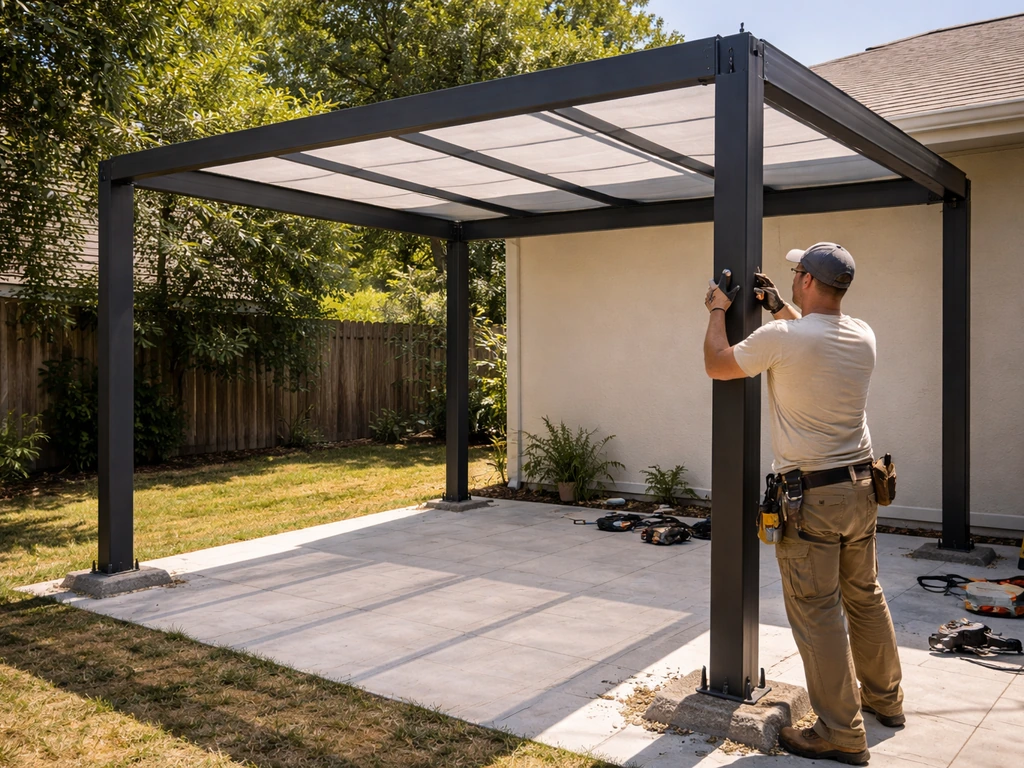
- Pergolas and shade structures (Utah summers are intense, especially in St. George and Salt Lake areas)
- Patio covers and attached rooflines (Utah Patio Pros specifically lists these as a core service)
- Built-in seating walls using the same paver or stone material
- Fire pits or fire tables (very popular in Utah for the long shoulder seasons)
- Low-voltage landscape and step lighting
- Drainage channels and area drains (essential on slopes or near foundation walls)
- Outdoor kitchen rough-in or gas stub-outs
Budgeting and Getting a Quote That Won't Surprise You
A standard paver patio in Utah typically runs $8 to $25 per square foot installed for concrete pavers, and $20 to $50 per square foot for natural stone. A 300-square-foot paver patio could land anywhere from $2,400 to $7,500 on the low end for basic pavers, or $6,000 to $15,000 once you add a proper base, drainage, and edging. Size is the biggest cost driver, but complexity (curves, patterns, multiple levels, slopes) adds up fast.
When you get a quote, make sure it's itemized. You want to see separate line items for demo and removal of existing material, grading and base prep, material supply, labor, drainage work, and any add-ons. A single lump-sum number makes it nearly impossible to compare two quotes or understand where your money is going. A vague quote is also the setup for change orders later.
Speaking of change orders: the most common causes in Utah patio projects are unexpected soil conditions (hitting rock, or finding excessively soft soil that needs more base depth), drainage complications discovered after digging, and homeowner-requested design changes mid-project. The best way to limit these is to agree upfront on what happens if something unexpected appears. A reputable contractor will put a change-order process in the contract before work starts, not improvise pricing on the fly.
Timelines vary by project size and season. A straightforward 300 to 400 square foot paver patio typically takes three to five days of active work once materials are on site. Larger projects with structures, drainage, or multiple materials can run two to three weeks. Factor in material lead times, which can stretch several weeks in busy spring and summer seasons. Most contractors in Utah have backlogs from April through September, so if you want work done by summer, get quotes in late winter.
Questions to Ask Before You Sign Anything
An estimate visit is an interview, not just a price conversation. These are the questions that separate a thorough contractor from one who wings it.
- Do I need a permit for this project, and will you pull it? In Salt Lake City and most Utah municipalities, open patios without roof coverings are often exempt from permit requirements, but covered structures, retaining walls, and anything near a property line may require one. If your neighborhood has an HOA, check their rules before the contractor even starts digging.
- How deep will you dig the base, and what compaction process do you use? In Utah, a minimum of 6 inches of compacted gravel base is typical for pavers, more on slopes or in clay-heavy soil.
- How are you handling drainage? The patio surface should slope a minimum of 1 percent (about 1/8 inch per foot) away from the house. If there's a low spot, ask where the water goes and whether an area drain is included.
- What joint sand product are you using, and how is it activated? Polymeric sand like PolySand requires a misting and curing process after installation. Knowing this tells you whether the contractor is using a quality product and applying it correctly.
- What does your warranty cover? Separate out workmanship warranty (labor and installation quality) from the manufacturer warranty on materials. A reasonable workmanship warranty for a paver patio is one to three years minimum.
- Are edge restraints included, and what type? Plastic or aluminum edge restraints staked into the base are standard for preventing paver spread. Skipping these is one of the leading causes of patio failure in freeze-thaw climates.
- What is your change-order process? Get the answer in writing before work starts.
- Will you provide a written contract with a project schedule, payment milestones, and a final punch list process?
DIY vs. Hiring Pros in Utah: When Each Makes Sense
DIY patio work in Utah is genuinely doable for the right project and the right person. A small, ground-level paver patio on flat ground with good existing drainage is a realistic weekend project for someone who's comfortable with a plate compactor and isn't afraid of physical work. You can save 30 to 50 percent on labor costs, and pavers are forgiving because individual units can be lifted and reset if something settles.
That said, Utah throws some specific challenges at DIYers. The freeze-thaw cycle is punishing on any base that isn't compacted correctly. Clay soils in many Wasatch Front neighborhoods hold water and move seasonally in ways that can heave a patio that looked perfect on day one. Slopes, which are common in foothill neighborhoods from Ogden down through Provo, add complexity around drainage and grading that is genuinely hard to get right without experience. A poorly drained patio that channels water toward your foundation is worse than no patio at all.
Hire a pro when the project involves any of these: slopes greater than 2 to 3 percent on the site overall, drainage that needs to tie into an existing system, a covered structure like a pergola or patio roof, retaining walls, or a surface area larger than about 200 square feet where base work becomes physically demanding and compaction consistency is hard to achieve by hand. For a Utah-style patio build, experienced patio pros landscape & design teams can handle those slope, drainage, and base-prep details that are hard to get right as a DIYer. For anything touching your foundation drainage, concrete work requiring air-entrained mixes, or HOA-regulated properties, professional help pays for itself in avoided mistakes.
| Situation | DIY Feasible? | Notes |
|---|---|---|
| Small, flat paver patio (under 200 sq ft) | Yes | Rent a plate compactor, use polymeric sand, include edge restraints |
| Sloped yard or complex grading | No | Drainage errors can damage foundation; hire a pro |
| Poured or stamped concrete | No | Air-entrained mix and finishing require pro equipment and timing |
| Pergola or covered patio structure | Maybe | Straightforward kit pergolas are DIY-able; custom-built or attached structures need permits and a pro |
| Clay-heavy soil areas | Risky | Base depth and compaction are critical; easy to underestimate |
| Large project (400+ sq ft) | No | Base work and compaction at scale require professional equipment |
Keeping Your Utah Patio in Good Shape Long-Term
The biggest threat to a Utah patio is the freeze-thaw cycle working on any weakness in the base or surface. Here's what good maintenance looks like.
For paver patios, inspect joint sand every spring after the ground thaws. Joint sand that washes out or disappears is the first warning sign: once it's gone, pavers start shifting, which lets water pool, which accelerates the problem. Reapply polymeric sand to any joints that look depleted. Follow the manufacturer's wetting and curing instructions exactly, which typically means misting the surface, waiting, and misting again before allowing foot traffic. While you're at it, check that edge restraints are still firmly staked and that no pavers have heaved more than a quarter inch above their neighbors. Any heaved pavers can be pulled, the base re-leveled, and the paver re-set without disturbing the rest of the patio.
For concrete patios, reseal every two to three years with a penetrating concrete sealer rated for freeze-thaw conditions. Sealing reduces water infiltration into the pores, which is what causes spalling when that water freezes and expands. Address any hairline cracks before winter by filling them with a flexible polyurethane caulk. A crack that's left open will collect water, freeze, expand, and become a much larger crack by spring.
Keep the drainage slope clear year-round. Leaves and debris building up along the house-side edge of a patio can trap water against the foundation, which defeats the entire point of sloping the surface away from the house. A quick seasonal cleanup of any drainage channels or area drain grates takes five minutes and prevents real damage.
Natural stone and brick patios benefit from sealing as well, particularly if you're in an area with significant freeze-thaw exposure. Use a sealer rated for the specific stone type, as applying the wrong product can trap moisture instead of repelling it. When in doubt, ask the contractor who installed the patio which sealer they recommend, and get that recommendation in writing as part of your project closeout documents.
One final note: if you're thinking about a patio in another region or want to compare what local contractors in different markets offer, the process for vetting patio pros is broadly the same whether you're in Utah or elsewhere. If you’re still comparing patio pros az, use the same checklist, but verify the licensing authority and material specs for Arizona conditions.
If you're searching for patio pros near me, use the same checklist to compare quotes, verify licensing, and confirm past local projects. If you are comparing different local options, reviewing patio types pros and cons can also help you choose a material that fits your climate and budget. The key variables that change are licensing authorities, climate-specific material specs, and local permit requirements. The core questions, the license check, the insurance verify, the drainage conversation, those apply everywhere.
FAQ
What should I confirm before signing a patio contract with patio pros utah-style companies?
Ask whether the contract includes (1) a detailed scope list (demo, excavation, base, surface, drainage, edging), (2) who pulls permits (if required), (3) start date and project duration targets, (4) a written change-order process with rates or markup limits, and (5) the cleanup and disposal plan. If any of these are missing, request an addendum before you approve the schedule.
Do I need a permit for a patio in Utah, and who should handle it?
Permit needs vary by city, patio size, and whether grading or drainage ties into existing systems. In the quote review, confirm whether the contractor will determine permit requirements, submit applications, and list permit costs separately. A contractor that assumes no permits without checking your address is a red flag.
What’s the best way to compare two quotes beyond total price?
Compare quotes by unit quantities and required work, not just the bottom line. Specifically look for base depth and compaction plan, drainage elements included or excluded, joint sand type, and whether edge restraints are priced as part of the base system. If one quote is missing drainage or base prep details, it will likely cost more later.
How do I tell if the patio pros utah contractor understands Utah’s drainage needs?
During the estimate, ask them to explain where surface water will go after rain, how they will prevent water from flowing toward the foundation, and how they will handle downspouts, slopes, and any low spots. A solid answer should describe both grading direction and the drainage components they will install or connect.
For concrete patios, what mix and finish details should I request?
Request an air-entrained mix with the required air-void target, and ask how they will handle reinforcement, joints (saw cuts or planned control joints), curing time, and finish timing. Also ask whether they will provide curing protection steps before foot traffic, since rushed curing increases surface defects in freeze-thaw conditions.
For pavers, what base and joint-sand specs should be explicit in the quote?
Ask for the compacted base thickness in inches, the type of base material, and the compaction method (plate compactor, number of passes). For joints, confirm the polymeric sand product type and how they will manage wetting and curing before allowing traffic. If these aren’t named, you cannot verify performance later.
What warranties or guarantees should I look for on patio work?
Look for a written warranty covering workmanship and settlement or shifting issues, not just material defects. Ask what triggers warranty service (for example, heaving beyond a threshold) and how long the coverage lasts for labor versus materials. Also clarify how warranty relates to homeowner maintenance like reapplying joint sand.
Should I worry about the contractor’s license class and subcontractors?
Yes. Confirm the license number is active and that the class aligns with flatwork or related construction scope. Also ask whether the company performs the work itself or uses subcontractors, and request the same license and insurance documentation for any subcontractors who access your property.
How far in advance should I book patio pros utah contractors?
If you want work done between April and September, many crews back up during spring and summer. Aim to get quotes in late winter or early spring, and ask the contractor to share their current backlog and likely start window. For large or multi-material patios, consider planning additional buffer for material lead times.
What are common change-order items in Utah patio projects, and how should I limit them?
Common triggers include hidden soil conditions, encountering rock, drainage complications, and homeowner-driven design changes. To limit surprises, agree upfront on what happens if rock is found, whether additional base is included, and what drainage revisions cost. Make sure the contract states who decides the solution and how pricing is calculated.
Is DIY patio work a bad idea in Utah?
DIY can work for small, level, well-drained areas with straightforward paver layouts, but it becomes risky when slopes, foundation drainage ties, retaining walls, or larger footprints are involved. If you are unsure, do a hybrid approach, hire a pro for grading and base prep, and DIY the surface only after the base is verified for compaction and elevation.
How do I verify the contractor’s projects are actually local and similar?
Ask for addresses or neighborhood-level details (not just photos), and confirm the project material and size are comparable to yours. When you speak with references, ask whether they experienced drainage issues or freeze-thaw movement after the first winter. If the contractor cannot provide local references, treat the portfolio as marketing rather than proof.
What should I do right after the patio is finished to protect it?
Get the closeout details in writing, including what sealer or polymeric sand was used, curing or waiting times, and the maintenance schedule. Take baseline photos of elevations and drainage points before the first season. For concrete, confirm when rinsing or sealing is allowed, since early sealing or foot traffic can trap moisture and worsen future spalling risks.