
A patio high top table with a fire pit is exactly what it sounds like: a bar-height table (usually 36 to 42 inches tall) with a gas burner built into the center, so your guests gather around it on bar stools and actually feel the warmth without craning their necks over a low fire bowl. It combines a functional outdoor dining or bar surface with an integrated flame feature, and it's one of the better investments you can make if your patio is the spot where people actually hang out after dark.
Patio High Top Table With Fire Pit: Buyer Guide and Setup Steps

Miles Sutton
14 May 2026
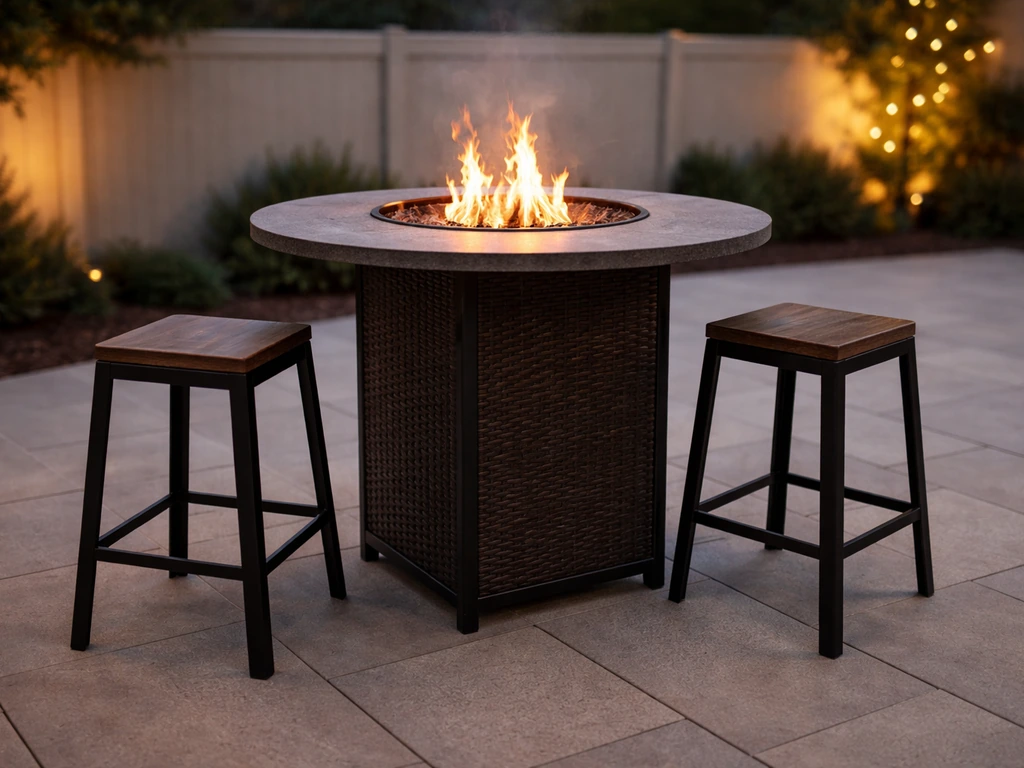
What a high top fire pit table actually is (and the main options)
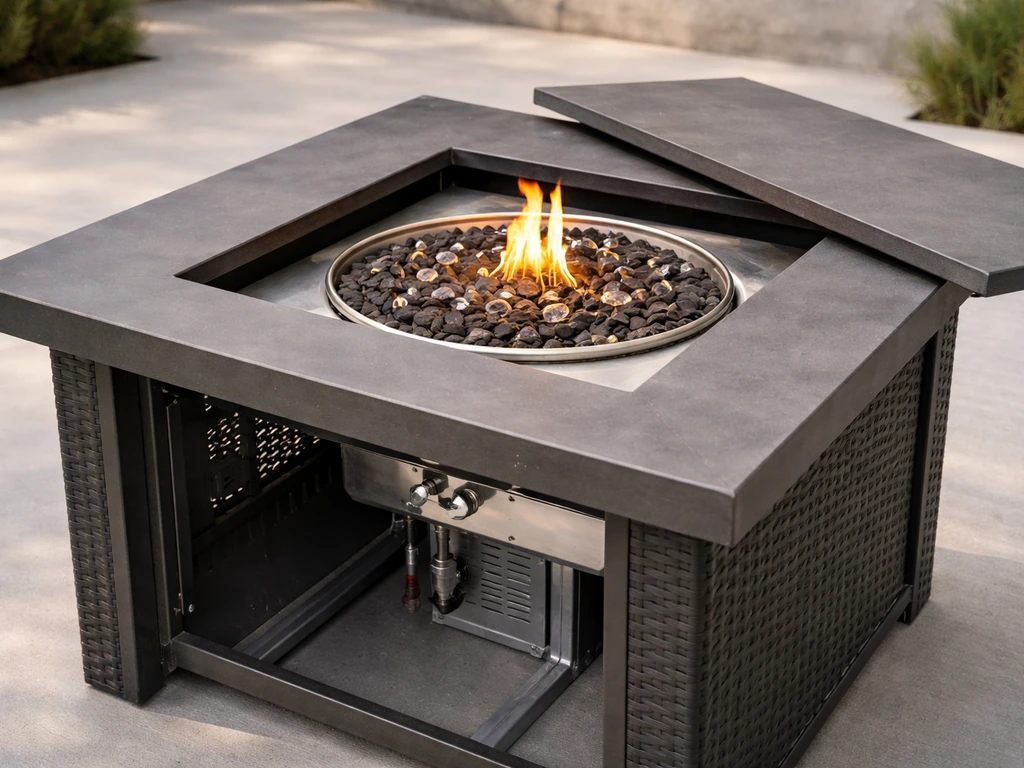
Most fire pit tables you'll find at retail are gas-powered. The burner sits inside the table body, and fire media like lava rock or fire glass sits on top of the burner pan to distribute the flame evenly and create the visual effect you want. A control knob or push-button igniter lives on the side of the table, and you connect the unit to either a natural gas line or a propane tank (often hidden in a lower cabinet in the table base). Wood-burning versions exist but are far less common in a true table format because ash, embers, and a tabletop-height flame don't mix well practically or safely.
Within the gas category, the burner geometry varies: round, square, linear, H-burner, and switchback ring styles are all common, and each one gives a different flame pattern. Common gas burner insert styles include round, linear, square, rectangular, H-burner, switchback, and other ring/port geometries intended to distribute gas evenly for the flame look burner insert styles like round, linear, square, and H-burner. Round burners produce a campfire-style cluster of flame; linear burners give you that sleek ribbon-of-fire look popular in modern patio designs. The choice is mostly aesthetic, but the burner size also determines your BTU output and heat radius, so it's worth checking before you buy.
You'll also see two broad product categories: fully integrated tables where the burner is built into the table from the factory, and modular setups where a fire bowl or insert drops into a compatible high-top table frame. The integrated option is cleaner and more stable, but the modular approach gives you flexibility if you already own a bar-height table or want to swap the fire element out later.
Sizing and layout: how much space do you actually need
Before you buy anything, pull out a tape measure. The standard bar-height fire pit table runs about 40 to 42 inches tall, and you'll want bar stools in the 28 to 30 inch seat-height range to pair with it comfortably. For sizing bar-height fire pit tables and pairing guidance, Bali Outdoors recommends matching bar-stool seat height to the table height (commonly around a ~36, 42 inch bar height table with roughly a ~30 inch stool, including guidance near ~40, 42 inches for the table) bar stools in the 28 to 30 inch seat-height range. A 40-inch table with a 28-inch stool gives you roughly 12 inches of clearance between seat and tabletop surface, which is the sweet spot for comfortable seating without feeling cramped or perched too high.
For the table footprint, a 42-inch round table is a common size and a practical one: it seats four people without anyone feeling squeezed, and the center fire area stays reachable for visual effect without being so close it's uncomfortable. That said, a 42x42-inch table weighs around 89 pounds in most cast aluminum or steel configurations, so you want a patio surface that can handle the load without shifting.
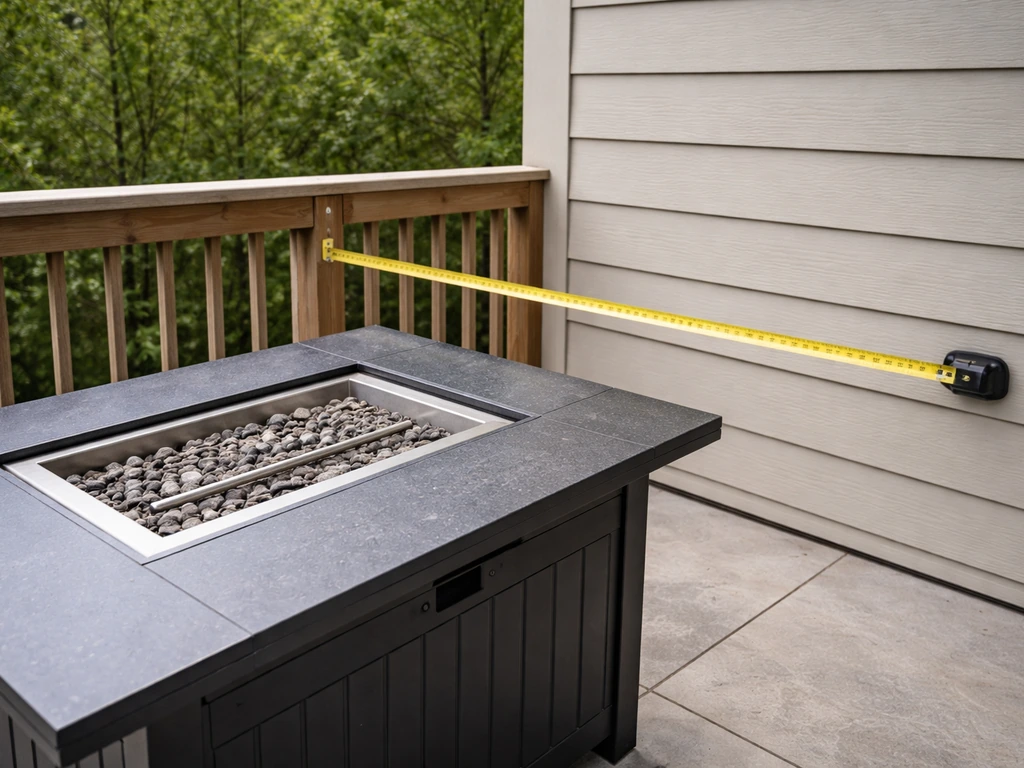
For overall patio layout, plan at least 36 inches of clearance between the edge of the seated stools and any wall, railing, or other furniture. For a patio railing bar top setup, make sure you still meet the clearance distances so the flame and heat stay away from barriers. That's the minimum for comfortable traffic flow; 48 inches is better if you're entertaining regularly. For clearance from railings and overhead structures, see the safety section below because the rules are stricter than you might expect.
| Table Diameter/Size | Seats | Minimum Patio Zone Needed | Stool Height |
|---|---|---|---|
| 36-inch round | 2-3 people | 9 x 9 ft | 26-28 in |
| 42-inch round | 4 people | 10 x 10 ft | 28-30 in |
| 48-inch round/square | 4-6 people | 11 x 11 ft | 28-30 in |
| 60-inch rectangular | 6 people | 12 x 10 ft | 28-30 in |
Heat, safety, and code: what you need to know before lighting it
This is the section most buyers skim and then wish they hadn't. Gas fire pit tables are not the same as a candle centerpiece; they produce real heat and real fuel combustion, and if you place them wrong or ignore local code, you create a genuine hazard.
Clearance from structures and railings
Most manufacturers specify a minimum 3-foot horizontal clearance from any combustible structure, including wood railings, fencing, overhead pergola beams, and siding. Many local fire codes or HOA rules push that to 10 feet from any structure, especially in areas with fire risk. Check your specific municipality's code before you finalize placement. If you have a patio railing bar top or a covered pergola overhead, treat those surfaces as combustibles even if they're painted or sealed, because finish coatings burn.
Surface requirements and materials underneath
The table needs to sit on a non-combustible surface. Concrete, pavers, and stone are fine. Composite decking and wood decking are not ideal and may void your homeowner's insurance if a fire originates there. If your only patio space is a wood deck, you can place a non-combustible pad of stone tile or fire-rated matting under the table, but confirm this with your insurance carrier. Redoing the patio surface entirely with pavers is a smarter long-term move if you plan to use the fire table regularly.
Ventilation and CO concerns for gas models
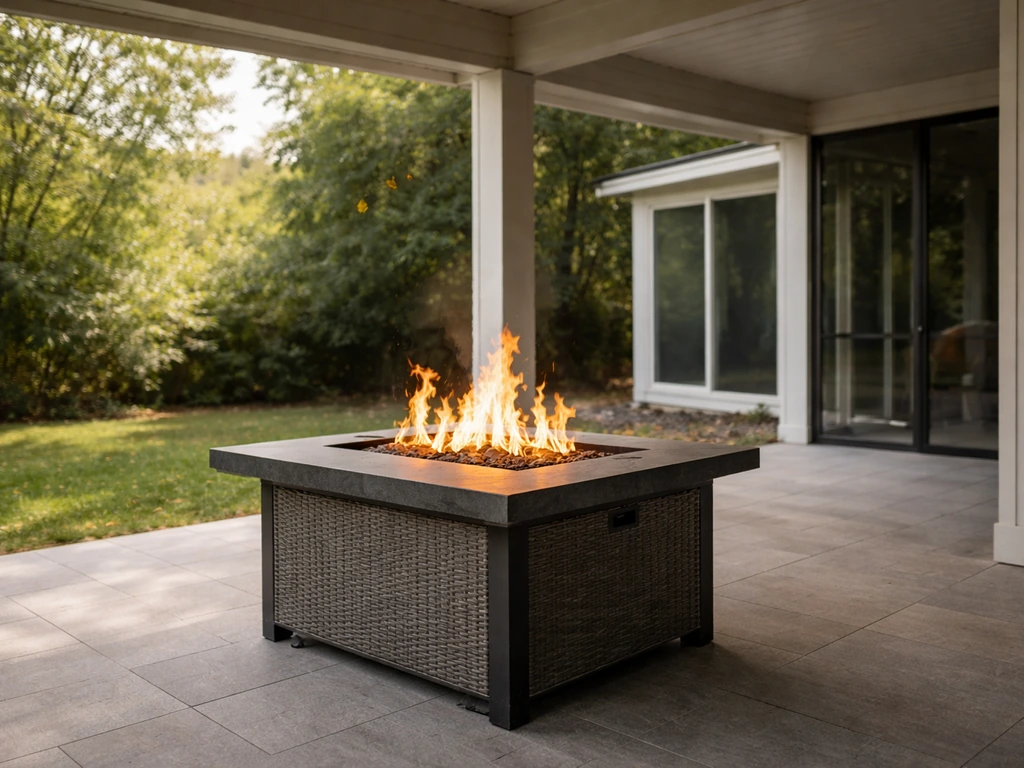
Gas fire pit tables are designed for outdoor or well-ventilated covered patio use only. Under a fully enclosed pergola or a four-season sunroom, carbon monoxide can accumulate fast. If your patio has a partial roof with two or more open sides and good cross-ventilation, you're likely fine, but a fully enclosed space is a hard no. If you are shopping specifically for an east-facing tea can patio setup, focus on clearance and ventilation so the table is safe in your layout east tea can patio. Keep a CO detector inside any adjacent indoor space and never run a propane or natural gas fire table in a screened enclosure with limited airflow.
General fire safety checklist
- Keep a fire extinguisher rated for Class B fires (flammable gas/liquid) within reach, not stored inside
- Turn off the gas supply valve completely when the table is unattended or not in use
- Never lean over the burner to light it manually; use the igniter or a long-reach lighter only
- Check the gas line and fittings for leaks annually using soapy water on all connections
- Keep children and pets at a safe distance; the flame at bar height is closer to face level than a traditional ground-level fire pit
- Don't use the fire table during high wind events; the flame can deflect toward seating or structures
Choosing the right fuel type and fire pit style
For a high-top table format, you're realistically choosing between propane and natural gas. Propane is the more flexible choice: a standard 20-pound tank powers most residential-scale fire tables for 4 to 8 hours of use, and many table bases have a built-in compartment to hide the tank cleanly. The downside is you'll refill tanks regularly if you use it often. Natural gas eliminates refills entirely and typically costs less per hour to run, but it requires a permanent gas line run to the table location, which means either having an existing line nearby or hiring a licensed plumber or gas fitter to install one.
Electric fire tables exist but the flame effect is much less convincing and there's almost no actual heat output, so they're better suited as a decorative element than a gathering-around feature. For most homeowners, propane is the practical starting point and natural gas is the upgrade if you want low-maintenance regular use.
| Fuel Type | Heat Output | Installation Required | Ongoing Cost | Best For |
|---|---|---|---|---|
| Propane (LP) | 30,000-60,000 BTU typical | None (tank plugs in) | Tank refills (~$20-35 per fill) | Flexibility, rental homes, occasional use |
| Natural gas | 30,000-60,000 BTU typical | Gas line run by licensed installer | Lower per-hour than propane | Daily use, permanent setups |
| Electric | Minimal heat, decorative only | Outlet or hardwired | Very low | Enclosed spaces, decorative accent only |
On the burner media side, lava rock is the most affordable and durable option. Fire glass is more visually dramatic and reflects light beautifully, but it costs more and can chip or discolor over time with repeated heating. Some tables come pre-filled with one or the other; both are interchangeable as long as the media is rated for fire pit use. Avoid any decorative stone or gravel not specifically labeled as fire-rated: it can crack or explode when heated.
What to look for when buying: materials, stability, and weather resistance
The table material affects both durability and heat management. Here's how the most common options stack up:
| Material | Weight/Stability | Rust Risk | Heat Resistance | Maintenance |
|---|---|---|---|---|
| Cast aluminum | Heavy, very stable | None (won't rust) | Good | Low; occasional wipe-down |
| Powder-coated steel | Very heavy, stable | Moderate (chips expose metal) | Excellent | Check coating annually for chips |
| Concrete/fiber concrete | Extremely heavy | None | Excellent | Seal annually to prevent cracking |
| Wicker/resin over metal frame | Moderate | Frame may rust if coating fails | Poor top material near heat | Avoid for integrated fire models |
| Tile-top over metal frame | Heavy | Frame-dependent | Excellent (tile resists heat) | Grout and tile check annually |
Cast aluminum is the most popular choice for good reason: it doesn't rust, it's lighter than steel or concrete while still feeling solid, and it takes powder-coat finishes well. For a bar-height fire pit table that's going to live outside year-round in most climates, cast aluminum is the material I'd recommend without hesitation. Powder-coated steel is fine too, but you need to be diligent about touching up any scratches or chips before moisture gets under the coating.
Stability is especially important at bar height because the center of gravity is higher than a dining-height or coffee table. Look for a wide base, preferably four legs rather than a pedestal, and make sure all hardware is stainless steel or zinc-coated so it doesn't seize with rust over time. Wobble on an uneven patio is annoying on any table, but on a table with a live gas flame it's a real safety concern. Check that the model you're buying has adjustable leg levelers.
For seating, match your bar stools to the table height carefully. A 42-inch table needs 28 to 30-inch seat-height stools. Make sure the stools themselves are weather-resistant: aluminum frames with sling fabric or all-weather wicker are good choices. Avoid stools with combustible fabric backs or cushions that will sit directly adjacent to an open flame at face height.
DIY vs. hiring a pro: be honest about what's involved
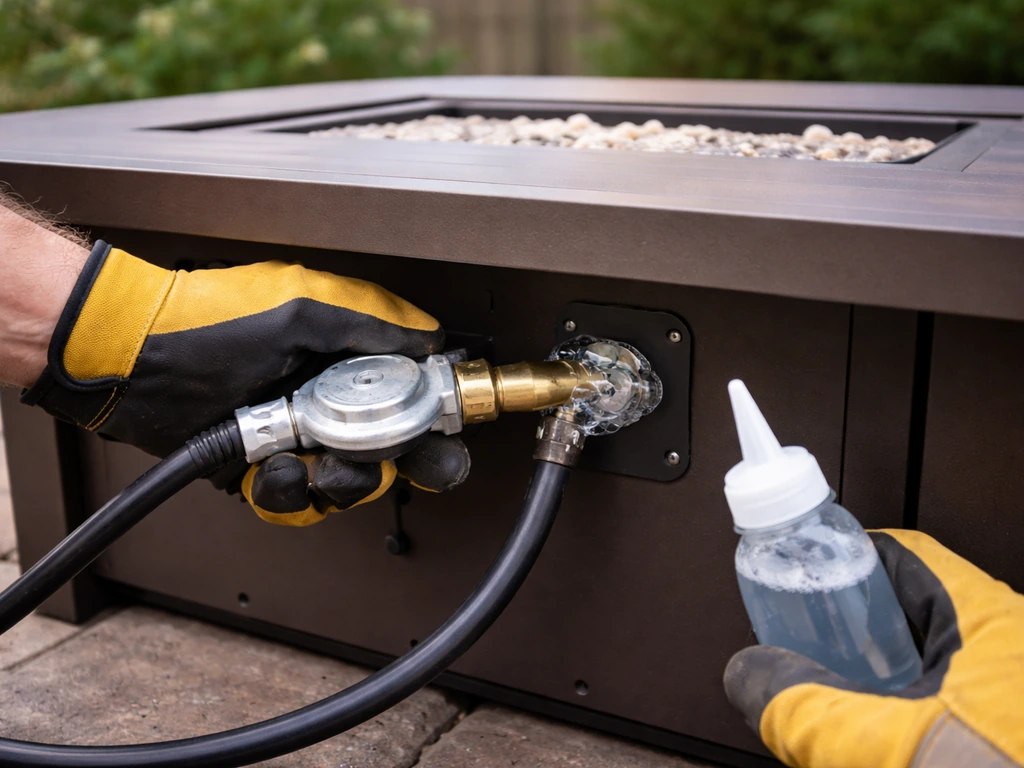
Assembling a propane fire pit table is solidly DIY territory. Most units ship with the burner pre-installed in the table body; you're connecting a propane hose to the regulator, filling the table with fire media, and leveling it on your patio. If you can follow assembly instructions and use a wrench, you can do this in an afternoon. The one thing to do before lighting: test every gas connection with soapy water and watch for bubbles. No bubbles, no leak, you're good.
Natural gas conversion or a new gas line is a different story. Running a gas line involves trenching (if it's going from the house to a freestanding patio), sizing the supply line for the BTU load, installing a shutoff valve, and pressure-testing the system. In every U.S. state and most jurisdictions globally, this work must be done by a licensed plumber or gas fitter and permitted. Don't DIY this. The cost of a licensed gas line installation varies widely by distance and complexity, but budget $300 to $800 for a straightforward run in most markets. It's worth it.
If you're building a custom fire pit table rather than buying a pre-made unit, the calculus changes again. Fabricating a concrete or tiled table top with a fire insert involves working with a gas insert kit, which still requires a licensed gas connection at the end. The table fabrication itself is a doable DIY project for someone comfortable with concrete work or tile setting, but the gas component gets a pro regardless. Custom builds also give you a chance to create a table top style that complements other surfaces on your patio, like a ceramic tile top or a polished concrete finish that echoes other elements in your space.
Questions to ask before hiring an installer:
- Are you licensed for gas line installation in this jurisdiction, and will you pull a permit?
- What is the pressure test procedure and what documentation will I receive?
- Can you help me determine the correct BTU load and line size for the burner I've selected?
- Will the shutoff valve be accessible from above or at patio level without moving the table?
- What's your timeline, and what patio disruption should I expect?
Keeping it running well: maintenance, cleaning, and winter storage
Regular cleaning and care
After each use, let the burner cool completely before touching anything. Use a soft brush to remove any debris from the fire media, especially if you're in a wooded area where leaves or pine needles can blow in. If fire glass or lava rock gets dusty or sooty over time, pull it out, rinse it with water, and let it dry fully in the sun before returning it to the burner pan. Never return wet media to an active burner.
Wipe down the table surface with mild soap and water regularly. For powder-coated steel, inspect for chips or scratches every spring and touch up with a matching powder-coat spray or an outdoor metal primer. For cast aluminum, a coat of car wax once a season does a surprisingly good job of protecting the finish and making future cleanups easier.
Gas system maintenance
- Inspect the igniter and control knob each spring for corrosion or debris; a cotton swab and rubbing alcohol cleans igniter terminals effectively
- Check all gas hose connections with soapy water at the start of each season
- Replace flex gas hoses if they show any cracking, kinking, or stiffness; a new hose is cheap insurance
- For natural gas setups, have the shutoff valve and line inspected by a licensed tech every 2-3 years
- If the igniter clicks but doesn't light, check battery replacement first, then clean the igniter tip, then check for debris blocking the gas ports on the burner
Winter storage and off-season prep
If you're in a climate with hard freezes, take the fire media out of the burner pan and store it indoors. Water trapped in lava rock or fire glass can freeze and crack the material, and more importantly it can enter the burner ports and cause corrosion or blockages. Disconnect and remove the propane tank entirely; never store a propane tank in an enclosed space like a garage. For natural gas, close the shutoff valve and consider having a cap fitted over the exterior connection point.
Cover the table with a weatherproof cover that fits the specific dimensions of your unit. Universal covers are better than nothing, but a fitted cover prevents pooling water on the burner area and keeps rodents and insects out of the burner assembly over the winter. Secure the cover with ties or bungee cords so it doesn't blow off in wind. If you have the storage space, bringing the entire table into a garage or shed is the best option for longevity.
Common troubleshooting
| Problem | Likely Cause | Fix |
|---|---|---|
| Igniter clicks but no flame | Dead battery, dirty igniter, or blocked burner ports | Replace battery, clean igniter, use a pin to clear burner ports |
| Low or uneven flame | Low propane, kinked hose, or dirty burner ports | Check tank level, straighten hose, clear ports |
| Flame goes out in wind | Wind direction hitting the fire area directly | Reposition table or add a windscreen around the seating area |
| Rust spots on table frame | Coating chips allowing moisture penetration | Sand, prime, and touch up with outdoor metal paint |
| Fire media cracking or popping | Media was wet when heated | Remove media, dry fully before reusing; replace damaged pieces |
| Gas smell without ignition | Leak at connection or valve not fully closed | Turn off gas immediately, ventilate the area, test all fittings with soapy water before next use |
Your next steps before you buy
Here's how to move from reading this to actually having a fire pit table set up and lit on your patio. First, measure your patio and identify where the table will sit, confirming you have at least 10 feet from any structure and a non-combustible surface underneath. If you don't, decide now whether you're adding a paver pad or relocating the setup before you spend any money. Second, decide on propane versus natural gas: if you want natural gas, get a quote from a licensed installer before you commit to a table location, because the line routing will affect where the table can go. Third, pick your table size based on how many people you regularly entertain (the 42-inch round is the right call for most four-person patios). Fourth, confirm stool heights match your table height before ordering both. Fifth, run a safety checklist on your specific patio before the first light-up: clearances confirmed, gas connections soapy-water tested, extinguisher nearby, and CO detector in adjacent indoor space if applicable.
A high-top fire pit table done right is genuinely one of the most-used pieces of patio furniture you can own. A patio top view can help you visualize the ideal placement and clearances around your high-top fire pit table before you commit patio furniture. It changes how long people stay outside, especially in cooler months. Get the sizing, fuel, and placement right upfront and you'll be using it comfortably for years without issues.
FAQ
Can I use a patio high top table with fire pit indoors or in a screened enclosure?
No. Gas fire pit tables are meant for outdoor or well-ventilated covered areas. In a screened enclosure, airflow can be limited and carbon monoxide can accumulate, so the safe move is to keep it fully open to the outside or only use it in a partially roofed space with clear cross-ventilation.
How much clearance do I need from the building, and what counts as “combustible”?
Use the manufacturer minimum as the baseline, then verify local code and HOA rules because requirements can be much stricter. Treated wood, painted wood, railings, pergola beams, and siding finishes are typically treated as combustible, so plan clearance from the surfaces, not just from bare structural members.
What extinguisher should I keep near a patio high top fire pit table with fire pit?
Keep a properly rated extinguisher within reach, not tucked in a far cabinet. For small outdoor gas fires, many homeowners choose a multipurpose dry chemical unit and make sure everyone who will use the table knows where it is and how to activate it.
Is it safe to leave the fire pit table on unattended while guests are around?
It's safer not to. Even though these tables include safety features, you still want someone responsible monitoring the flame and burner behavior. Turn it off before leaving the area, especially if kids, pets, or windy conditions could affect heat or blowing debris.
How do I size the burner BTU and heat radius for my patio layout?
Check the table’s BTU rating and compare it to how far you want warmth to travel, since burner size and geometry affect heat reach. If your seating is farther than the table can realistically warm, it may look visually impressive but feel underpowered for comfort.
What happens if the table wobbles or sits on uneven patio surfaces?
Don't use it. At bar height, wobble is not just annoying, it can shift the burner assembly and create instability. Use the built-in adjustable leg levelers, then re-check stability after you fill with fire media and connect the fuel.
Can I switch from propane to natural gas on the same patio high top table?
Often yes, but only with the correct conversion kit for that exact model. Confirm compatibility with the manufacturer, then have the change performed by a qualified professional if it involves plumbing or any new connection work.
How long should the burner cool before touching or cleaning it?
Let it cool completely before handling fire media, cleaning the pan, or inspecting connections. A practical rule is to wait until the media is cool to the touch and there is no residual heat before you attempt any maintenance or cover the table.
Is lava rock or fire glass interchangeable, and do I need to replace it regularly?
They are usually interchangeable only if both are rated for fire pit use and match the burner pan depth or manufacturer instructions. Replacement depends on condition, but you should plan to remove and clean periodically, and discard any pieces that are cracked, excessively sooty, or no longer distribute flame evenly.
What’s the safest way to test for propane or natural gas leaks before first use?
Use soapy water on the specific connection points and look for bubbles, but only after you’ve confirmed the area is clear and there are no ignition sources nearby. If you see bubbles, shut everything down and correct the connection before attempting another test.
Can I place the table on composite decking if I use a stone tile pad?
It’s a better option than bare composite, but you still need approval from your insurance carrier and ideally confirm with the manufacturer or a qualified installer. Some policies deny coverage if a flame source was used on non-approved decking materials, even with added insulation.
Should I cover the table during winter, and what’s different about the cover if the table stays outside?
Yes, use a cover sized to your specific unit to prevent water pooling on the burner area and to reduce dust, insects, and rodents entering the burner assembly. Also secure it against wind so it doesn’t flap, which can rub the finish and allow moisture exposure.
How should I store the propane tank and burner media during freezes?
Remove the fire media if your area has hard freezes, and store it indoors so trapped moisture doesn’t crack it or clog burner ports. Disconnect and remove the propane tank outdoors to a safe area per local rules, and never store it in an enclosed space like a garage.
Do electric fire pit tables work as a real gathering-around feature?
They can be used for ambiance, but they typically produce limited or no practical heat compared to gas. If your goal is warmth for lingering outdoors, prioritize propane or natural gas, then treat electric as a secondary decorative option.