
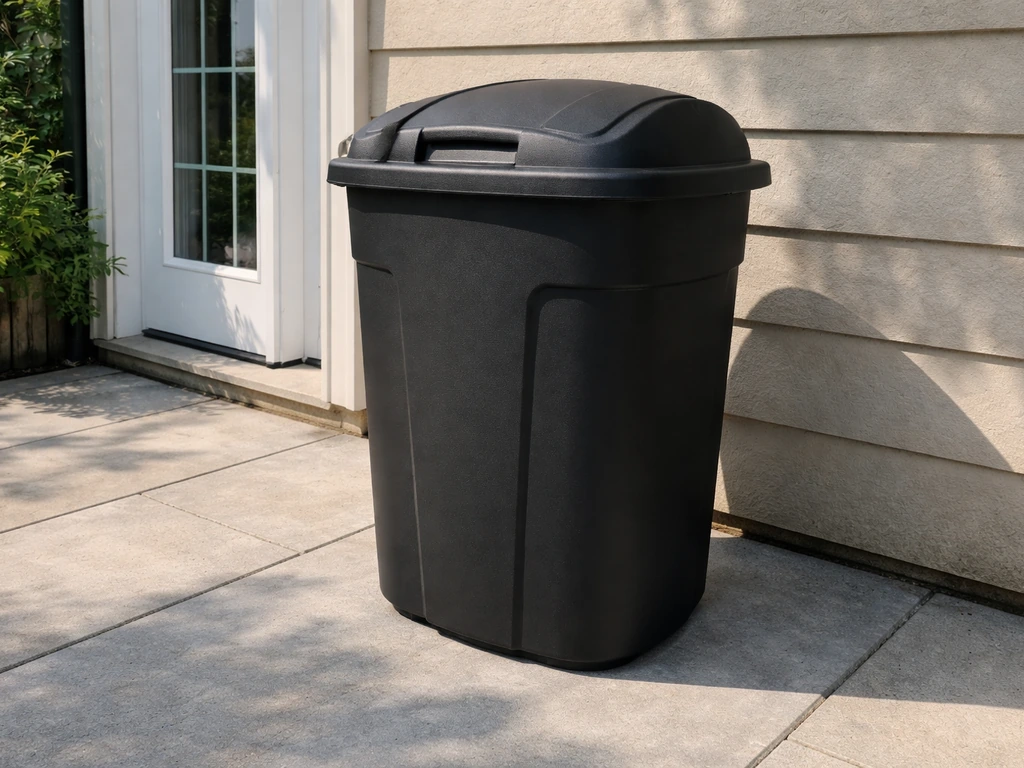
For most patios, a black 32-gallon resin or powder-coated metal garbage can with a snap-lock lid hits the sweet spot: it handles a full week of outdoor waste, resists UV fading and rain, and blends with almost any furniture color or patio finish. If you want something more discreet, a decorative hideaway-style enclosure in black uses 30 to 33-gallon bags and doubles as a piece of patio furniture. The key variables are material durability, lid type, bag compatibility, and where exactly on your patio you plan to put it.
Patio Garbage Can Black: How to Choose and Set Up

Miles Sutton
20 Jun 2026
How to Choose the Right Black Patio Garbage Can
Start by deciding what problem you are really solving. Are you managing daily kitchen overflow that gets walked outside? Hosting parties where you need a visible, easy-to-use bin? Or just containing weekly trash before pickup? Each scenario calls for a slightly different product. A 13-gallon pivot-lid can works fine for small patios where trash gets emptied often. A 32-gallon commercial-grade can with a dome lid is the move for larger patios, big households, or anyone who doesn't want to think about it every day. For patios where appearance matters a lot, a hideaway enclosure keeps the can completely out of sightlines.
Black is a genuinely practical color choice outdoors, not just an aesthetic one. It hides scuffs and staining better than gray or white, and it reads as intentional rather than forgotten. That said, black absorbs more heat, which can accelerate bag breakdown in full-sun placements and occasionally make the can smell worse in summer. Placing it in partial shade or against a shaded wall solves both issues.
The lid situation matters more than most people expect. A loose swing lid blows off in wind. A snap-lock dome lid, like Rubbermaid's BRUTE design, locks onto the can securely and includes self-draining channels so rain doesn't pool on top and attract mosquitoes. A pivot or touch lid is more comfortable for hands-free use at a party but offers less weather protection. For a patio that sees rain, wind, or wildlife, a blank" rel="noopener noreferrer">secure snap-lock lid is the practical choice.
Materials and Finish Durability for Outdoor Use
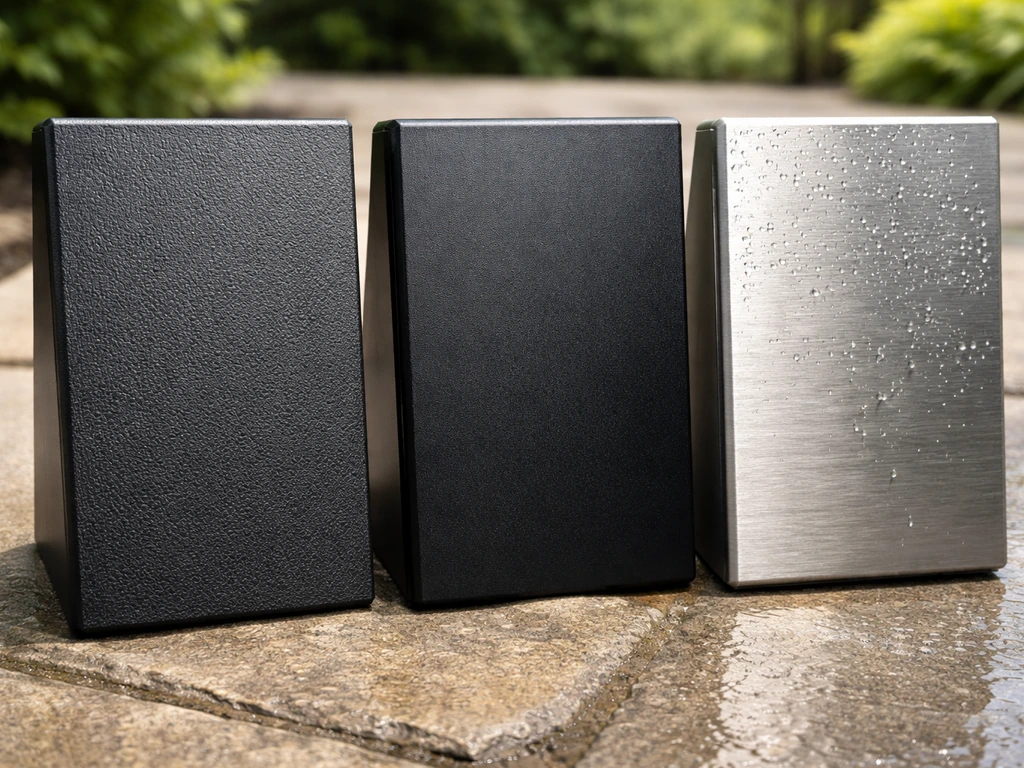
This is where most buyers go wrong. Not all black outdoor trash cans are built to survive years of sun and rain. There are three main material paths: resin (plastic), powder-coated steel, and powder-coated aluminum. Each has real trade-offs.
| Material | Rust Risk | UV/Fade Resistance | Weight | Best For |
|---|---|---|---|---|
| Resin/HDPE plastic | None | Good if UV-stabilized; poor if not | Light | Budget-friendly, lightweight, low maintenance |
| Powder-coated steel | Low to moderate (check coating quality) | High with AAMA 2604-spec coating | Heavy | Durable, premium look, long-term use |
| Powder-coated aluminum | None | High with AAMA 2604-spec coating | Moderate | Best corrosion resistance, coastal or wet climates |
For resin cans, the phrase to look for is UV-stabilized or UV-resistant. Polypropylene and HDPE without UV protection degrade from photo-oxidation, which means the plastic gets brittle, cracks, and fades. Keter, for example, markets their resin products as never warping, rotting, rusting, denting, or peeling, and backs certain colors with a 2-year fade warranty. That 2-year fade warranty is worth noting: it tells you colors will eventually fade, but the brand is confident enough to stand behind the first two years. For black specifically, fading tends to show as a chalky or brownish tint over time.
For powder-coated metal cans, the quality of the coating is everything. If you can find a spec sheet, look for AAMA 2604-rated powder coat finishes. These are hard-surface, super-durable polyester coatings that provide high UV, impact, and chemical resistance. A standard decorative powder coat will look great in a showroom and chip or fade faster outdoors. When in doubt, ask the retailer for the coating spec or check the product page for language like 'weather-resistant powder coat' combined with an outdoor rating.
Sizing, Capacity, and Placement for Your Patio Layout
Capacity and bag compatibility are more complicated than the label suggests. A 13-gallon can sounds like it takes 13-gallon bags, but in practice the fit depends on the can's rim geometry and the bag's dimensions. If you are specifically shopping for a 13 gallon patio trash can, pay close attention to the liner dimensions and how the rim holds the bag in place 13-gallon can.
Standard 13-gallon liners measure around 24 by 33 inches, but some can rims are wider or have a design that causes bags to rip or slip. If you have ever wrestled a bag onto a can that was supposedly the right size, this is why. The workaround many people land on is simply going up a size, using a 30-gallon bag in a 13-gallon can, which gives extra slack and eliminates the fight.
For larger 30 to 33-gallon patio cans like Suncast's hideaway models, the manufacturer explicitly recommends 30 to 33-gallon bags, which is a simpler match.
For most patios, a 32-gallon can is the practical default. It is large enough to handle a week of outdoor use, compatible with widely available 30 to 33-gallon bags, and small enough to tuck beside a door or into a corner without dominating the space. If you are working with a smaller patio or a side table setup, a 13-gallon option is fine, but confirm the bag dimensions against the actual can specs before you order bags in bulk. The sibling topic on 13-gallon patio trash cans goes deeper on that size specifically.
Where to Put It on Your Patio
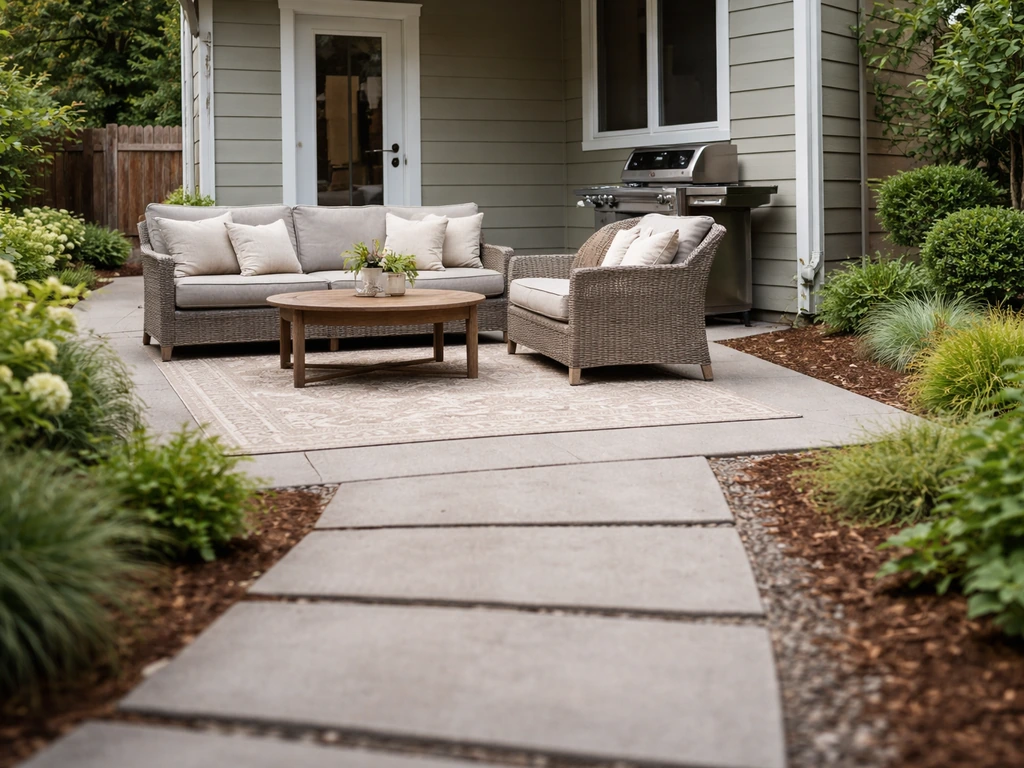
Placement is about three things: convenience, aesthetics, and service access. The most functional spot is within five to ten feet of your back door or primary seating area so it gets used without a walk. At the same time, you do not want it directly in a sightline from your main seating or dining zone. A corner placement, against a wall or beside a planter, is usually the best compromise. If your trash service picks up directly from the back yard, keep the can accessible from a path or gate without obstacles. For cans with wheels, placement near a step or curb edge makes rollout straightforward.
- Place 5 to 10 feet from the back door for easy daily use without dominating the patio view
- Use a corner or wall-adjacent spot to reduce visual prominence
- Keep a clear path to the street or trash pickup point if your service accesses the back yard
- Avoid full-sun spots where possible to slow bag degradation and reduce odor in summer
- For wheeled cans, ensure the surface is flat and there are no step obstacles between placement and rollout
Weather Resistance, Rust Prevention, and Maintenance Tips
The biggest maintenance mistake with outdoor garbage cans is ignoring them until something goes wrong. A ten-minute cleaning routine every month or two keeps odors, mold, and finish damage from compounding. Here is what actually works.
- Empty the can completely and remove the bag.
- Rinse the interior with a garden hose to flush out residue and liquid.
- Scrub with a mild dish soap and a soft-bristle brush. Do not use abrasive cleaners, scouring pads, or steel wool on powder-coated finishes. These scratch the coating and accelerate rust and fading.
- Rinse thoroughly, then tip the can upside down or leave the lid open to dry completely before putting a new bag in. Trapped moisture is what causes mold and persistent odors.
- Inspect the exterior for chips or scratches on metal cans. Touch up small chips promptly with a matching outdoor spray paint to prevent rust from starting under the coating.
- For resin cans, wipe down the exterior once a season with a UV-protectant spray (similar to what you would use on outdoor furniture) to extend the color life.
If you have a powder-coated steel can and live in a wet or coastal climate, check the bottom edges seasonally. Water tends to pool there, and any coating damage at the base accelerates rust from the ground up. A coat of clear rust-inhibiting spray on the bottom edge once a year is cheap insurance. Aluminum and resin cans skip this step entirely, which is why they are worth the sometimes higher price in humid or rainy areas. On the lid side, Rubbermaid's BRUTE dome design handles rain proactively with self-draining channels, so you are not dealing with standing water every time it rains.
Matching Style: Making a Black Can Work With Your Patio Aesthetic
Black is one of the most flexible colors you can choose for outdoor accessories precisely because it works as both a match and a contrast. On a patio with black metal furniture, a matte black can reads as intentional and cohesive. On a patio with warm wood tones or concrete pavers, black grounds the space without competing. On a white or light gray setup, it adds a visual anchor. The only palette where black can feel heavy is an all-dark scheme with dark stone, deep furniture, and shadowed walls. In that case, a dark charcoal or slate gray can (or a black hideaway enclosure with a wood-tone lattice panel) softens the effect.
Finish matters as much as color. Matte black finishes blend better with most patio furniture because they do not reflect light or draw attention. Glossy black finishes show fingerprints and smudges readily, which looks worse over time in an outdoor context where you are not wiping it down daily. If the product description only says 'black' with no finish detail, lean toward a textured or matte option.
If you are weighing a dedicated black patio can against other options, the gray patio trash can is worth considering for patios with lighter or cooler palettes where black would feel too heavy. If you are shopping for a gray patio trash can, compare finish type and UV resistance so it stays looking clean outdoors.
For patios where you want the can to disappear visually, an enclosure or hideaway-style unit (often made from resin and available in black or dark brown) does the best job. These sit flush with the patio and look more like a side cabinet than a garbage can. The trade-off is that they are typically sized for 30 to 33-gallon bags, cost more, and require a small footprint commitment. If aesthetics are a top priority and you have the space, they are worth it.
Quick Buying Checklist and Setup Steps for Today
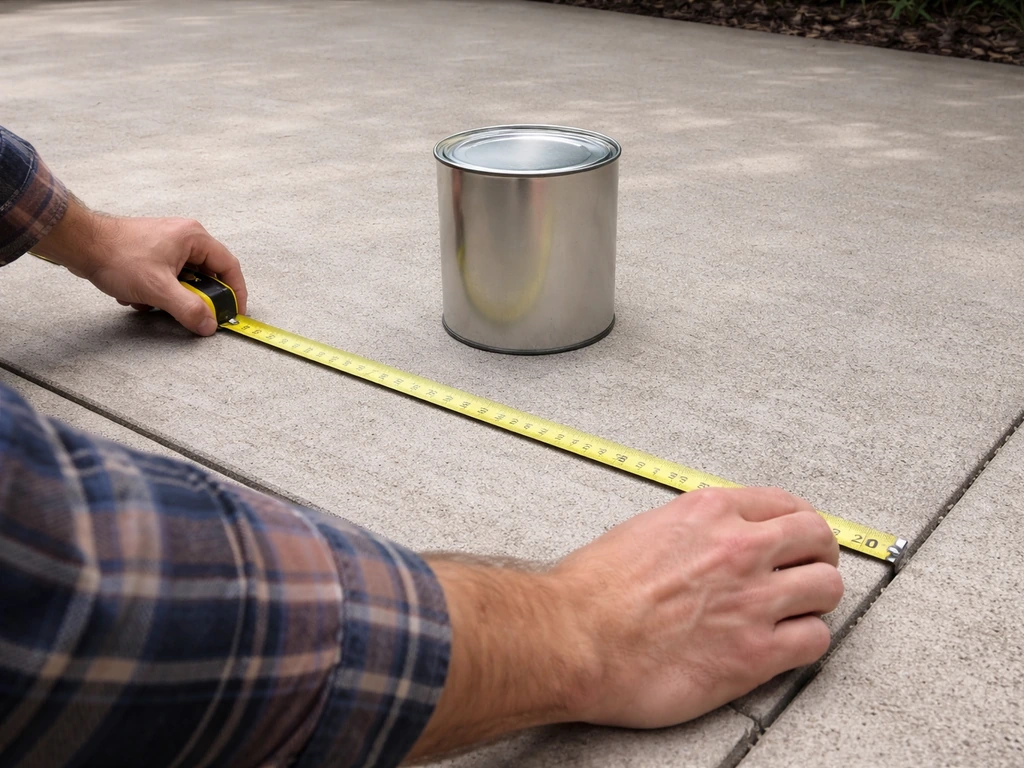
Before you order anything, run through these steps. They take about fifteen minutes and will save you from the two most common mistakes: wrong bag fit and a can that does not survive one winter.
- Measure your placement spot: width, depth, and height clearance if it goes under a deck or overhang. Write these down before you shop.
- Decide on capacity: 13 gallons for light daily use or a small patio, 32 gallons for weekly trash management or larger households.
- Check your trash service: confirm whether your hauler picks up from the back yard or requires curbside rollout. If rollout, get a can with wheels or plan for easy carry distance.
- Match bag size to the actual can dimensions, not just the label. Look for the manufacturer's recommended bag size or liner range in the product specs, not just the gallon number on the box.
- Confirm material and finish for your climate: UV-stabilized resin or AAMA 2604-rated powder coat for high-sun areas, aluminum or resin for wet or coastal climates where rust is a real risk.
- Verify the lid type: snap-lock dome for wind and weather security, pivot or touch lid only if the can is in a sheltered spot and convenience is the priority.
- Order a matching box of bags at the correct dimensions before the can arrives so you are not making a second trip.
- On delivery, place the can, add your first bag, and confirm fit before stashing the packaging.
If you are still deciding between a standalone can and an enclosure, or between this and a can with a lid built specifically for patio use, it is worth looking at what features matter most for your specific situation. A patio garbage can with a lid addresses the weather and pest angles directly, while a small patio trash can is the right call when space is genuinely tight. The best one is the one sized right for your trash output, built to survive your local weather, and placed where it actually gets used every day.
FAQ
Do I need to buy the exact bag size for a black patio garbage can, or will any liner fit?
Aim for a liner size that matches how the bag sits on the specific can rim, not just the can’s stated “gallon” number. If the bag slides down, tears at the corners, or bunches at the lip, switch to the manufacturer’s recommended liner range (for many 32-gallon models, that’s typically 30 to 33-gallon bags). If you already own a pack of liners, test with one bag before committing, especially for 13-gallon patio garbage cans.
How do I reduce odor in a black patio garbage can during hot weather?
For summer smell, the fastest fixes are containment and airflow. Tie bags tightly and avoid overfilling, then rinse the interior with a mild soap-and-water solution during cleaning so residue does not bake on. If your can gets full-sun, consider moving it to partial shade to reduce heat buildup that accelerates odor and bag breakdown.
What’s the safest way to clean a black resin or powder-coated patio garbage can without damaging the finish?
Yes, but only certain cleaners and methods. Avoid bleach, harsh solvents, or abrasive scrub pads on powder-coated finishes because they can dull the coating or damage the surface over time. For routine cleaning, use warm water, mild dish soap, and a soft brush, then fully rinse and let it dry so you do not trap moisture around the lid seals.
Will a snap-lock lid actually hold up in strong wind, and what should I look for?
Wind is the real test. If the lid doesn’t lock down or has a weak hinge, you will likely end up with blown lids and mess. For exposed patios, choose a snap-lock or dome-style lid that locks to the can body and drains rain away, and confirm there is no gap at the lid edge where wind can lift it.
Is glossy black or matte black better for a patio garbage can?
Don’t judge by “black color” alone. Matte or textured black hides fingerprints and light dust better than glossy finishes, and the surface stays more uniform after repeated cleaning. If the listing does not specify finish, assume glossy is possible and choose textured or matte options when you can, especially if the can will be visible near seating or dining.
How often should I check a black metal patio garbage can for rust and what areas matter most?
If it’s a wet or coastal area, you should inspect the bottom seam and any lifted coating after storms and at least once per season. Water pooling at the base can start rust even if the rest of the can looks fine. For steel cans, a clear rust-inhibiting spray on the bottom edge once a year can prevent escalation, while resin or aluminum usually skip that step.
Where is the best spot to place a patio garbage can if I want it convenient but not in view?
Most people should choose placement based on pickup access first, then convenience. Keep it within about five to ten feet of the door or seating so it gets used, and place it so it is reachable from the service route (path, gate, or curb line) without stepping over obstacles. Also avoid putting it directly in a main sightline if you want a cleaner patio look.
What’s a good “default” size for black patio trash cans, and when should I choose smaller?
It depends on your trash volume and whether you empty frequently. A 30 to 33-gallon bag used in a 32-gallon can is usually more comfortable than squeezing smaller liners, and it also reduces liner tear risk from tight fit. If your household routinely fills weekly, the 32-gallon default is typically easier; if you only generate a small amount and take out trash often, a 13-gallon can can work, but confirm liner dimensions before buying in bulk.
How can I keep wildlife from getting into my black patio garbage can?
If it gets lifted by pests or vandalized easily, lid design matters more than capacity. Choose a lid that locks securely, and for areas with raccoons or persistent wildlife, avoid leaving bags loose or over the rim where animals can reach. Consider placing the can in a more enclosed corner near a wall or planter to reduce access.
What maintenance routine prevents mold and mildew when the can sits outside year-round?
If you have to store it during pickup delays or you are using it between collections, use the same monthly cleaning routine but focus on the lid underside and rim, where residue can build. For mildew-prone environments, do not leave standing water on the lid or around the seal, and ensure it dries fully after cleaning so mold does not recur.