
Patio rules fall into two very different buckets: rules you choose to follow (etiquette and house rules for guests, neighbors, and tenants) and rules you must follow (HOA covenants, city zoning codes, setback requirements, and building permits). Most homeowners who search this phrase are dealing with at least one of each, so this guide walks through both, gives you a quick checklist to figure out exactly which rules apply to your property, and tells you what steps to take today before you build, upgrade, or complain to a neighbor.
Patio Rules Checklist: Etiquette and Code Requirements

Miles Sutton
3 Jun 2026
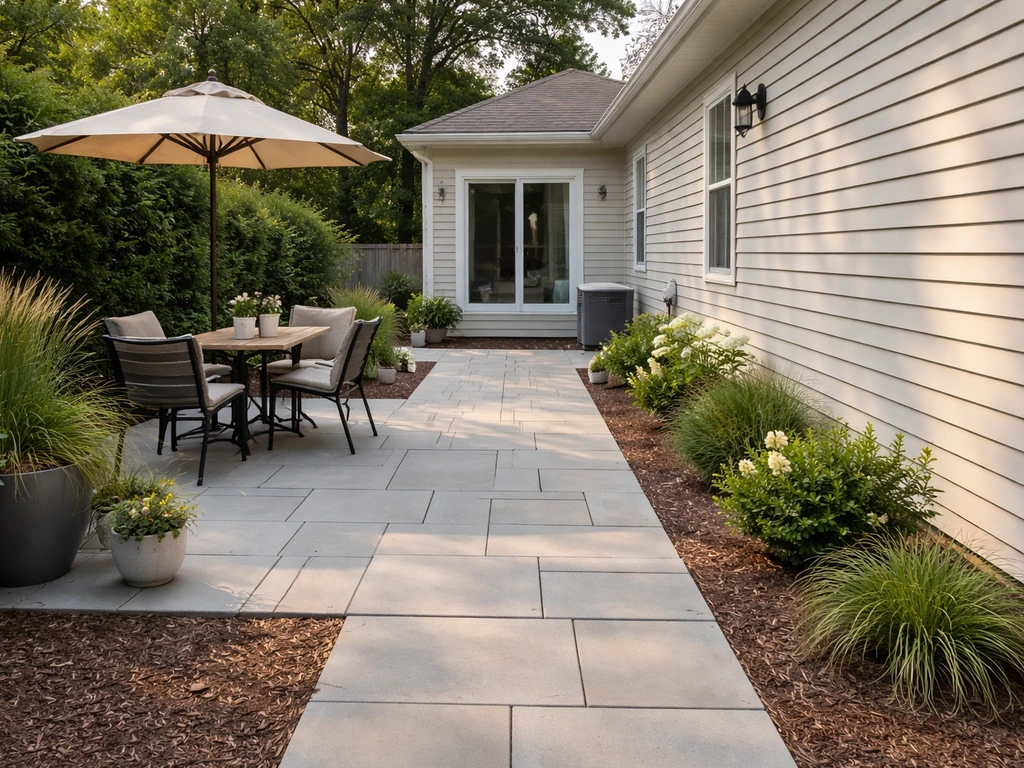
What 'patio rules' actually means (and why it matters which kind you have)

When someone says 'patio rules,' they usually mean one of three things. First, they mean personal or household etiquette: hours for music, where guests can smoke, how to keep the space clean, and how to avoid friction with neighbors. Second, they mean HOA or community rules: the covenants or bylaws that govern what your patio can look like, what structures you can add, and what activities are permitted. Third, they mean local government rules: zoning ordinances, setback requirements, and building codes enforced by your city or county.
These three layers can all apply to the same patio at the same time, and they don't always agree. Your city might allow a fire pit, but your HOA might ban open flames. Your HOA might permit a pergola, but your city might require a permit for it. Getting tripped up by one layer after you've already built something is expensive, so identifying all three layers upfront is the whole point of this guide.
There's also a design and construction angle to 'patio rules' that's worth naming: building codes set standards for things like railing heights, stair dimensions, surface drainage, and electrical work. These aren't optional suggestions, they're safety requirements with real enforcement behind them. If you're planning any kind of patio build or renovation, those technical rules matter just as much as the permit question.
Quick checklist: figure out which rules apply to your property
Do this before anything else. It takes less than an hour and will save you from costly surprises. Work through this list in order:
- Check if you have an HOA: Look at your closing documents or deed for a Homeowners Association, Covenants, Conditions, and Restrictions (CC&Rs), or a Declaration of Restrictions. If you're in a condo or townhome, your condo association documents apply instead.
- Pull your HOA or condo rules: Once you confirm you have one, request the full CC&Rs and any architectural guidelines from the association management office. These will list patio size limits, approved materials, structure height limits, color restrictions, and what requires an ARC (Architectural Review Committee) approval.
- Identify your municipality: Find out whether you're in an incorporated city, an unincorporated county area, or a special jurisdiction. This determines which building department and zoning code applies to your property.
- Look up your property's zoning designation: Visit your city or county's online GIS or parcel lookup tool (search '[your city] parcel map' or '[your city] zoning map'). Your zoning designation (like R-1, R-2, or similar) determines what setbacks and structure rules apply.
- Get your setback requirements: Once you know your zoning, look up the rear, side, and front setback distances for accessory structures in your zone. These are the minimum distances any patio cover, pergola, or raised deck must maintain from your property lines.
- Call 811 before any digging: Before you dig post holes or break ground, call 811 (the national 'Call Before You Dig' number) or submit a request online. This locates underground utilities and is legally required in most states.
- Confirm easements on your deed or plat: Look at your recorded plat or survey for utility easements, drainage easements, or access easements. Structures built in an easement zone can be forced to be demolished at your cost.
- Check your local permit trigger thresholds: Most jurisdictions require a building permit for covered patio structures over a certain size (commonly 200 square feet) or for raised decks above a certain height (commonly 30 inches above grade). Call or check online with your local building department to confirm the exact numbers for your area.
Patio etiquette and daily-use rules that prevent real problems

Even when there's no HOA or permit involved, unwritten patio rules matter a lot for keeping peace with neighbors, tenants, and guests. Here are the areas where most conflicts actually happen, and how to stay ahead of them.
Noise and hours
Most municipalities have noise ordinances that set quiet hours, commonly 10 p.m. to 7 a.m. on weekdays and 11 p.m. to 8 a.m. on weekends, though these vary widely. Beyond the legal limit, a practical rule is to keep outdoor speakers, gatherings, and late-night activity contained after 9 p.m. if you share a fence line or live in a dense neighborhood. If you're a landlord writing house rules for tenants, spell out specific quiet hours in writing.
Smoking and fire features
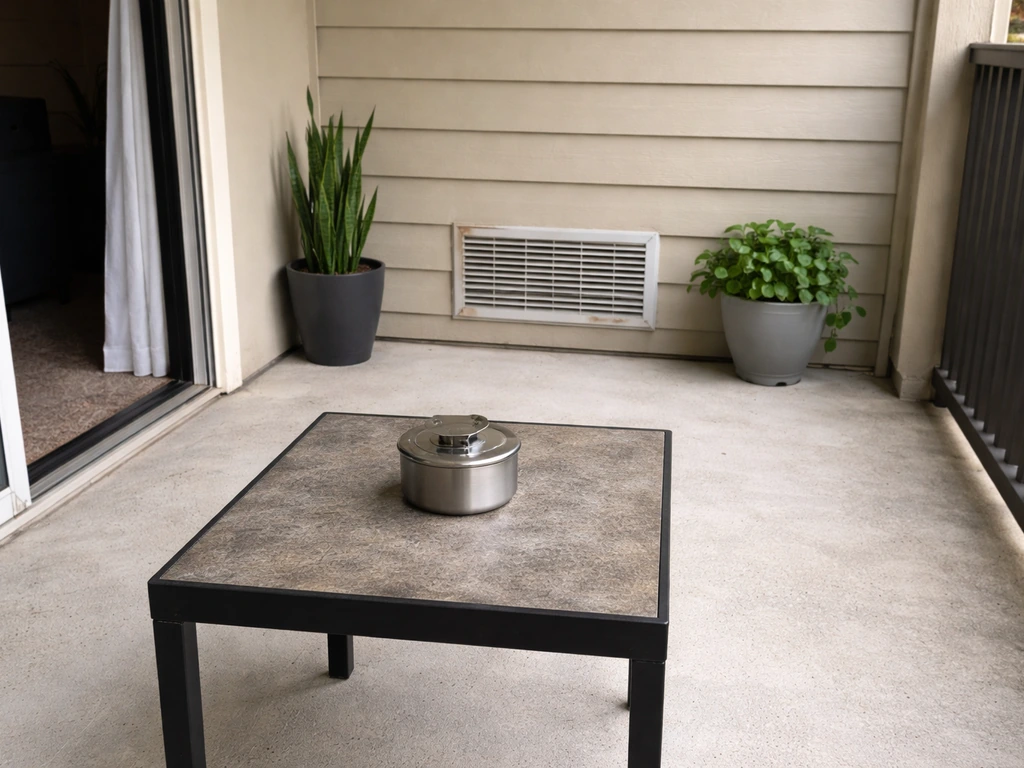
If you allow smoking on the patio, designate a specific area away from entryways and HVAC intakes, and provide a covered ashtray. For fire pits and chimineas, check local burn rules first: many areas ban open burning during high fire danger periods, and some HOAs prohibit open flames entirely. Keep a garden hose or fire extinguisher within arm's reach any time a fire feature is lit, and never use a fire pit under a covered structure or near combustible materials.
Grilling and outdoor cooking
Many apartment and condo communities prohibit gas or charcoal grills on balconies or within a certain distance of the building, often 10 feet, due to fire codes. Even in single-family homes, it's worth keeping grills at least 10 feet from any structure, siding, or overhead cover. Electric grills are often the only compliant option in high-rise and multi-family settings. Always check your specific lease, condo docs, or HOA rules before buying any outdoor cooking equipment. Always check your specific lease, condo docs, or HOA rules before buying any outdoor cooking equipment, including any patio rules svg requirements that may apply.
Guests, pets, and shared spaces
For rental properties and shared patios, a written rule about the number of guests at one time, pet access (and leash requirements), and cleanup responsibilities prevents the most common disputes. For your own home, just being consistent with neighbors goes a long way: let them know in advance when you're hosting a larger gathering, and clean up outdoor furniture and items that might blow into adjacent yards.
Keeping walkways and exits clear
This one is partly etiquette and partly code. Egress paths from your home's exits and any gate in a fence surrounding the patio must remain clear at all times. Fire codes typically require at least a 36-inch clear path to exits. Don't block walkways with furniture, potted plants, or stored items in a way that narrows the exit route.
Permits, zoning, setbacks, and easements before you build
This is where homeowners most often get into trouble, usually because they build first and ask questions later. Here's how to do it in the right order.
When do you actually need a permit?
Permit triggers vary by jurisdiction, but there are common thresholds that show up across most building departments. A covered patio structure (like a pergola with a solid roof, a patio cover, or an enclosed porch) typically requires a permit once it exceeds 200 square feet. In Portland, OR, “add or enlarge a porch cover” or patio cover triggers a residential permit when the structure’s area is greater than 200 square feet, and decks more than 30 inches high also require a permit blank" rel="noopener noreferrer">a covered patio structure typically requires a permit once it exceeds 200 square feet. For example, blank" rel="noopener noreferrer">Portland, Oregon explicitly requires a permit for any patio cover larger than 200 square feet, while structures under that threshold that are attached to the house and kept at least 3 feet from the property line may be exempt. Similarly, the City of Scappoose, Oregon uses the same 200-square-foot threshold for patio covers and requires a permit for any deck or porch more than 30 inches above grade. Cities like Naperville, Illinois require a permit before beginning any construction on decks, patios, and open porches, regardless of size.
The key takeaway: never assume a small project is automatically exempt. To avoid costly mistakes, follow these patio design rules alongside your permit and HOA requirements. Call or visit your local building department's website and ask directly. Most departments have a simple online lookup or a one-page guide listing residential permit triggers.
Setbacks: how close can you build to the property line?
Setbacks are minimum distances your structure must maintain from property lines, and they differ by structure type, zoning district, and whether the structure is attached or detached from the house. A typical residential side yard setback might be 5 feet, while a rear yard setback might be 10 to 20 feet, but these numbers vary enormously. An at-grade concrete patio with no cover often has no setback requirement, while a roofed structure or raised deck will. Check your local zoning code for 'accessory structure setbacks' in your specific zone.
Easements: the hidden restriction
An easement grants another party the right to use part of your property for a specific purpose, commonly utilities, drainage, or access. You can't build a permanent structure inside an easement zone, even if you own the land. Look at your property's recorded plat (available from your county assessor or recorder) and highlight any easement areas before you mark out your patio footprint. Building in an easement is one of the few situations where a municipality or utility company can legally require demolition at your expense.
Code and safety essentials you need to know before you build
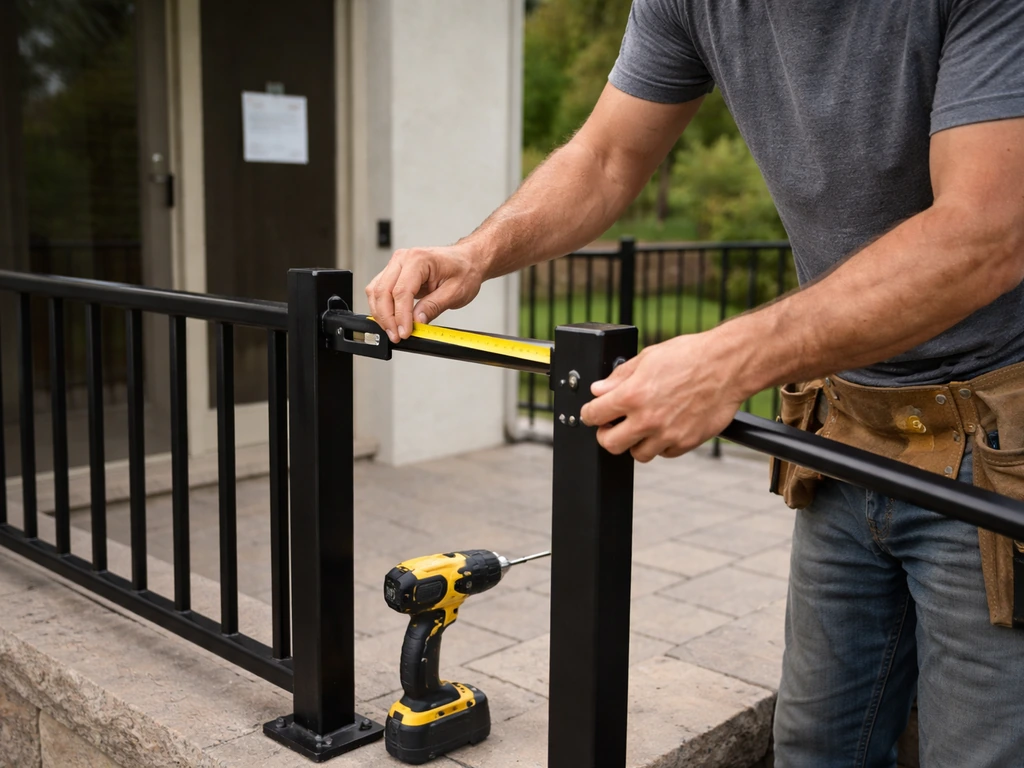
Whether you're hiring a contractor or doing it yourself, these are the code requirements that come up most often on residential patios. For example, if you're looking for the specific UCF patio code guidance, start by identifying whether your patio is governed by HOA rules, city zoning, or local building code requirements. Getting any of these wrong can fail an inspection, void your homeowner's insurance, or create real safety hazards.
Railings and guards
Any raised platform (deck, raised patio, or elevated porch) that is 30 inches or more above grade requires a guardrail under most building codes, including the IRC (International Residential Code). Guardrails must typically be at least 36 inches tall for residential use, and the balusters (the vertical infill pieces) must be spaced so that a 4-inch sphere cannot pass through. These aren't aesthetic choices, they're minimum safety requirements.
Stairs
If your patio has steps, the IRC requires each riser to be between 4 and 7.75 inches tall, and each tread to be at least 10 inches deep. Handrails are required when there are 4 or more risers. Inconsistent riser heights are one of the most common tripping hazards on DIY-built steps and one of the most common inspection failures.
Electrical and gas
Any new outdoor electrical outlet, lighting circuit, or appliance connection requires a permit and must be installed by a licensed electrician in most jurisdictions. Outdoor receptacles must be GFCI (ground fault circuit interrupter) protected. For natural gas or propane connections to outdoor grills, heaters, or fire features, a licensed plumber or gas fitter must make the connection and a permit is almost always required. Doing this work without a permit can void your homeowner's insurance if something goes wrong.
Fire features and hot tubs
Permanent fire pits and outdoor fireplaces typically require a permit if they involve gas lines or masonry construction. Portable fire bowls generally don't, but local burn ordinances and HOA rules may still restrict their use. Hot tubs almost always require a dedicated electrical circuit (typically 240V, 50 or 60 amps), a GFCI breaker, and a permit. They also have setback requirements from property lines in many jurisdictions, commonly 5 feet.
Surface materials and load
For covered patio structures with a solid roof, local snow load and wind load requirements determine what kind of framing and connections are needed. This varies significantly by region and is one of the main reasons permits exist: an inspector verifies the structural design can handle local conditions. For at-grade patio surfaces, there are no typical load permits, but drainage requirements still apply (see the next section).
Design and maintenance rules that protect your patio long-term
These aren't often framed as 'rules,' but they're the practices that determine whether your patio lasts 5 years or 25. Ignoring them is a common and expensive mistake.
Drainage and slope
Any patio surface must slope away from your home's foundation. The standard minimum is 1/8 inch per foot (about 1%) for hard surfaces, though many designers recommend 1/4 inch per foot to be safe. Water pooling against your foundation causes structural damage over time. If your municipality has a patio slope code requirement, it will typically match or exceed this standard. This is where a patio slope code comes in, setting the minimum drainage pitch to keep water from running toward your foundation. Before laying any surface, confirm your grading directs water toward your yard, a drain, or a permeable area, not toward the house or a neighbor's property.
Impervious surface limits
Many municipalities cap the percentage of your lot that can be covered with impervious surface (concrete, pavers, solid roofing) to manage stormwater runoff. In some jurisdictions this is as low as 50% of the lot area, though it varies widely. If you're adding a large patio to an already-developed lot, check whether you're approaching that limit. Permeable pavers and gravel can help you stay under the threshold while still creating a usable surface.
Seasonal and ongoing maintenance
In freeze-thaw climates, water that gets into concrete or paver joints can expand and crack the surface. Sealing concrete patios every 2 to 3 years and re-sanding paver joints annually dramatically extends their life. For wood decking and pergola structures, re-applying a penetrating sealant or stain every 1 to 2 years prevents rot and UV degradation. In snowy climates, use plastic snow shovels (not metal) on wood and composite surfaces, and avoid rock salt on concrete, which causes surface spalling; use sand or calcium chloride instead.
Furniture, covers, and winter storage
Leaving metal furniture uncovered through winter leads to rust and finish damage. Quality outdoor furniture covers cost $20 to $80 per piece and pay for themselves in extended furniture life. If you have an umbrella, remove it from its base and store it horizontally during high-wind seasons. Umbrellas that catch wind like a sail can tip and break patio furniture, damage fencing, or become a safety hazard.
When to hire a pro: what to ask and what to require
DIY patios make sense for at-grade surfaces, basic paver installations, and simple furniture arrangements. Once you're adding a cover, raising the structure, running electrical or gas, or working on a sloped lot, a licensed contractor becomes genuinely worth the money, not just for quality but for code compliance and liability protection.
What to ask before hiring
- Are you licensed and insured in this state, and can you provide your license number? (Verify it independently on your state contractor licensing board's website.)
- Will you pull the permit, or is that on me? (A reputable contractor almost always pulls their own permits for work they're responsible for.)
- What inspections are required, and will you be present for them?
- Does your bid include bringing the project into compliance with current code, or does it assume the existing structure is already code-compliant?
- What warranty do you offer on labor, and what manufacturer warranties apply to the materials you're using?
Documents to require from your contractor
- A signed contract with scope of work, timeline, payment schedule, and a change-order clause.
- Proof of general liability insurance and workers' compensation coverage (get the certificates directly, don't just take their word for it).
- A copy of the issued building permit before work starts.
- A final inspection sign-off or certificate of occupancy after the work is complete.
- Any HOA approval documentation if the project required it.
- Manufacturer spec sheets and warranty documents for major materials (composite decking, roofing panels, structural posts, etc.).
Staying compliant after the build
Once your patio is built and inspected, keep a folder (physical or digital) with your permit, inspection sign-off, contractor warranty, and any HOA approval. If you sell the house, buyers and their inspectors will ask for this documentation, and unpermitted work can kill a sale or require expensive after-the-fact permits. If you're making changes later, like adding a hot tub, swapping the cover material, or enclosing an open porch, treat it like a new project and go back through the permit and HOA checklist from scratch. The rules around what triggers a permit also apply to modifications, not just original construction.
If your project also involves signage (for a rental or shared patio), design aesthetics governed by specific HOA or neighborhood standards, or you're navigating community-specific rules (like those for a university housing complex), those are separate layers worth researching for your specific situation.
FAQ
How can I quickly tell which patio rules apply to my situation before I spend money?
Start by listing the decision you are planning (for example, “pergola with open sides,” “fire pit,” “new outlet,” “add 150 sq ft of concrete,” “change fence gate height”), then match it to each layer. If you are unsure whether something is “covered,” measure whether there is a solid roof, not just shade fabric, because many jurisdictions treat solid roofs, enclosed porches, and permanent structures differently for permits and setbacks.
If my city says it is allowed, can my HOA still stop my patio project?
Yes. Many HOAs regulate more than the structure, they also limit height relative to windows, require approval for architectural elements, and restrict “nuisance” activities like amplified music or certain fire features. Even if the city would permit a patio cover, you can still be denied HOA approval after construction, so check HOA review timelines before ordering materials.
What should I do if the HOA and city disagree about fire pits or chimineas?
Look for rules about “open flames” and “fire hazards,” then compare them to local burn ordinances. If either layer bans open burning, you generally need to use an alternative (like an electric fire feature) or keep it strictly to the HOA-approved product types. Also confirm whether you need a clearance distance from landscaping, structures, and fences, even when a fire pit is otherwise allowed.
I live in a condo or rental, do patio rules still apply if I follow local laws?
Assume your lease or condo docs control for grills, speakers, and guest behavior, even if the building code would technically allow them. Also check for rules that apply to “balconies” and “common areas” differently than private patios, because the same equipment can be permitted on the ground but restricted above ground level.
How do I prevent neighbor complaints when my patio use is mostly legal?
If you are sharing a fence line, the neighbor issue is often noise plus controllable “nuisance” conditions. Practical steps include keeping the speaker volume down after quiet hours, positioning speakers away from the shared property line, and ending gatherings earlier than legal quiet hours when children or close neighbors are involved. If you receive complaints, keep dates, times, and what you changed (for example, “turned off at 9:45 p.m.”) because it helps if you later go through HOA mediation or landlord review.
Can a small patio upgrade still require a permit or inspection?
Yes. Even for projects that seem minor, ask the building department whether an item counts as a “patio cover,” “accessory structure,” or “platform.” For example, adding a partial roof, a pergola with engineered beams, or raising a patio slightly can change permit triggers, setbacks, and inspection requirements. Get the answer in writing if the department offers email or ticket-based guidance.
Why do my setback measurements differ from what I found online?
Do not rely only on an online setback summary, verify your exact zoning district and structure type. The required distance can change based on whether your patio cover is attached, whether it is considered an accessory structure, and whether it is measured from the property line, easement boundary, or another defined line on the plat. If you have an unusual lot shape, request the setback measurement method from the local planner or permit counter.
What counts as an electrical change that triggers patio electrical permit rules?
Electrical requirements are commonly misunderstood for “outdoor convenience.” If you add or relocate any outdoor outlet, add landscape lighting, or hardwire a heater or grill, it is typically treated as new work that triggers permits and GFCI protection requirements. If you are extending power from an existing outlet, confirm whether the extension is “repair” or “new circuit,” because that distinction often determines permit needs.
My hot tub is portable, do I still need to worry about permits and patio rules?
Yes, but the safest approach is to treat hot tubs and similar equipment as a full safety and access project. Besides dedicated electrical protection and GFCI requirements, many jurisdictions also require barriers, pad placement, and access clearance. Do not assume “plug-in” means no work, because outdoor-rated connections and placement relative to openings and property lines are still enforced.
How do I verify drainage and slope before installing concrete or pavers?
Your slope plan affects both code compliance and longevity. A good quick check before you pour is to simulate water direction after rainfall, then confirm that your patio drains to a drain, yard, or approved permeable area, not toward your foundation or the neighboring lot. If you are in a freeze-thaw climate, also plan for joint sealing and drainage layer build-up so water does not sit under pavers.
What is the best way to handle patio rule enforcement if I built first or received a notice?
For HOA disputes, documentation matters: keep copies of the covenant text you are relying on, HOA correspondence, photos before and after, and any approval numbers or stamped drawings. If you built first, ask whether the HOA allows retroactive approval, and be ready for “remove and rebuild” or fines if it is not approved. For city issues, your permit history and inspection sign-offs determine what the city will accept if you seek a correction.
Do patio rules apply again when I modify an existing patio cover or add features later?
Yes, modifications are often treated like new projects. If you add a new fire feature, enclose a previously open area, swap structural cover materials, or change electrical and gas connections, go back through the same permit and HOA process. Even changing from open-air to partially enclosed can change how the city classifies the structure and how the HOA evaluates it.